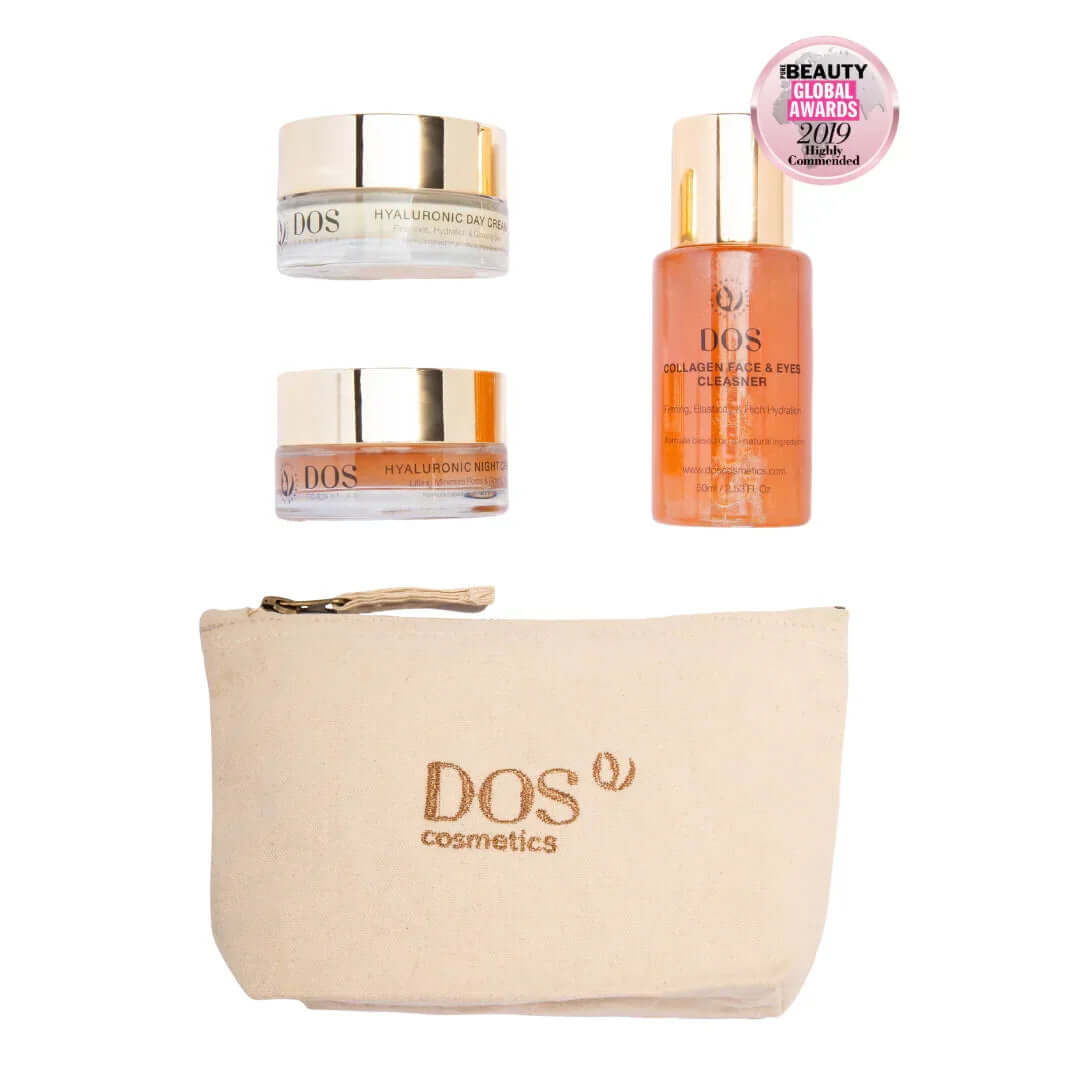

27 προϊόντα
-
Καθαριστικό με Κολλαγόνο

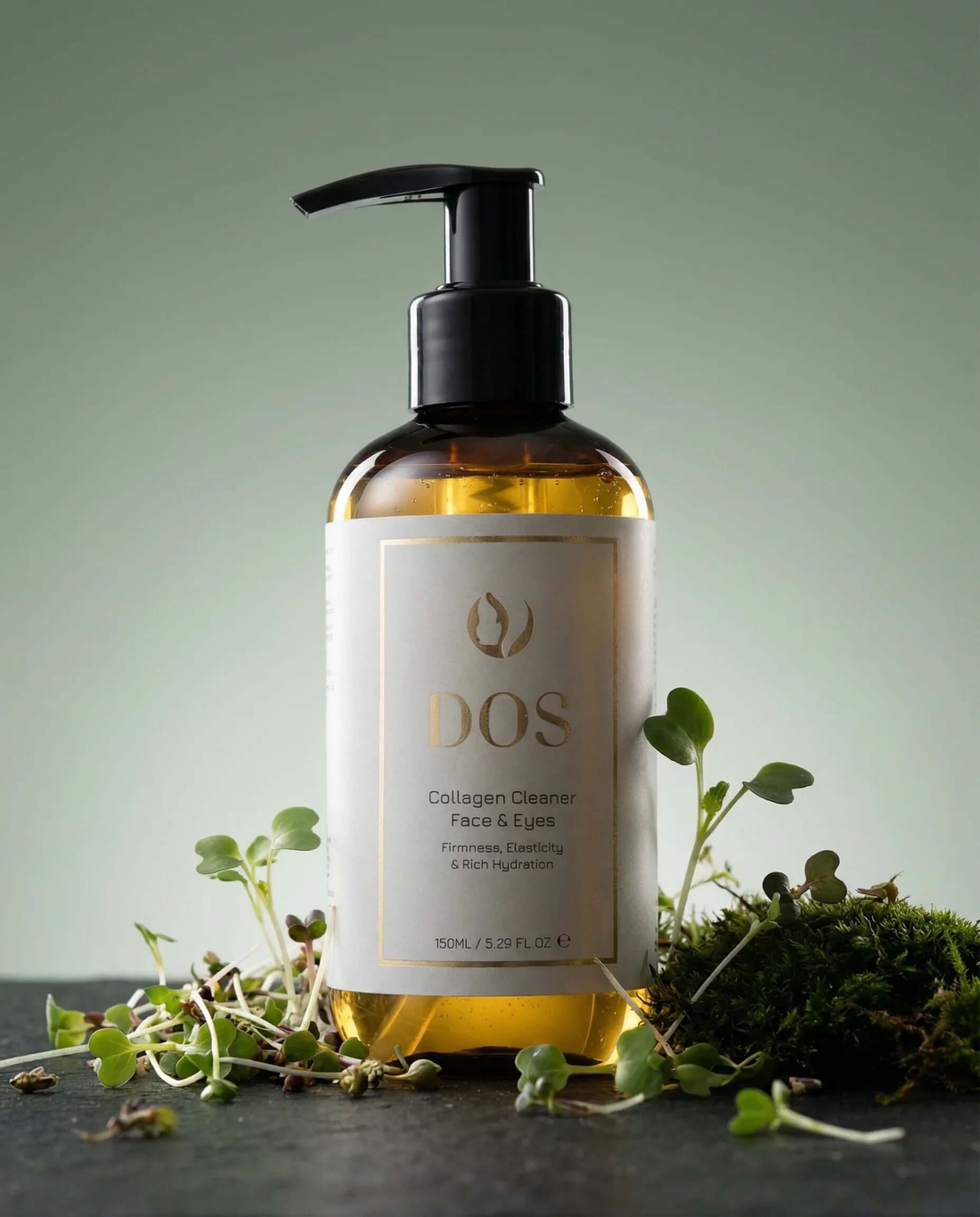 Καθαριστικό με Κολλαγόνο Βραβευμένο Απαλό Καθαριστικό, Κατάλληλο και για τα Μάτια
- Κανονική τιμή
-
19.00 49.00 - Κανονική τιμή
-
- Τιμή πώλησης
-
19.00 49.00
-
Κρέμα Νύχτας με Κολλαγόνο

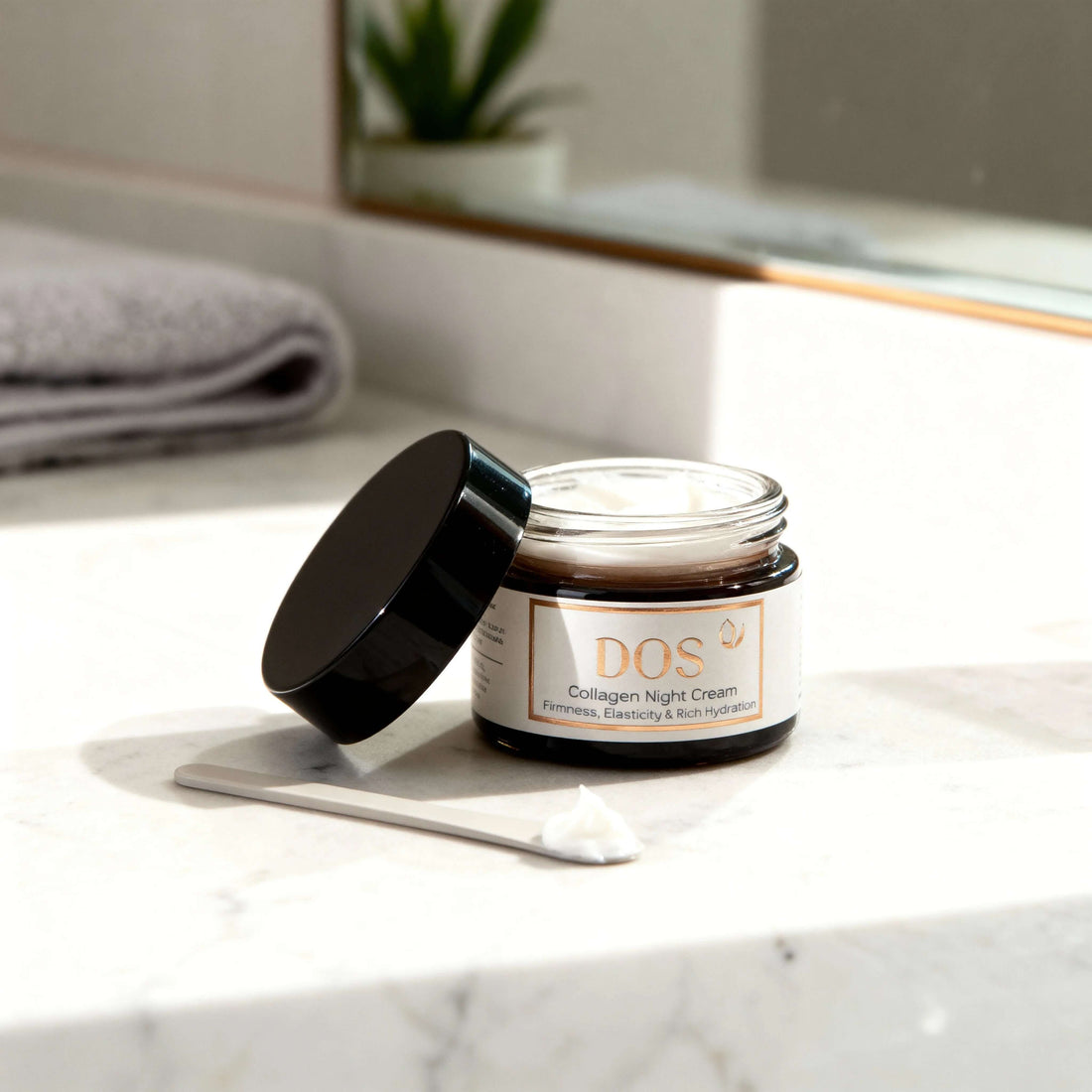 Κρέμα Νύχτας με Κολλαγόνο Βραβευμένη Ανανέωση για Σφριγηλή Επιδερμίδα
- Κανονική τιμή
-
49.00 119.00 - Κανονική τιμή
-
- Τιμή πώλησης
-
49.00 119.00
-
Αντηλιακός Ορός SPF50+
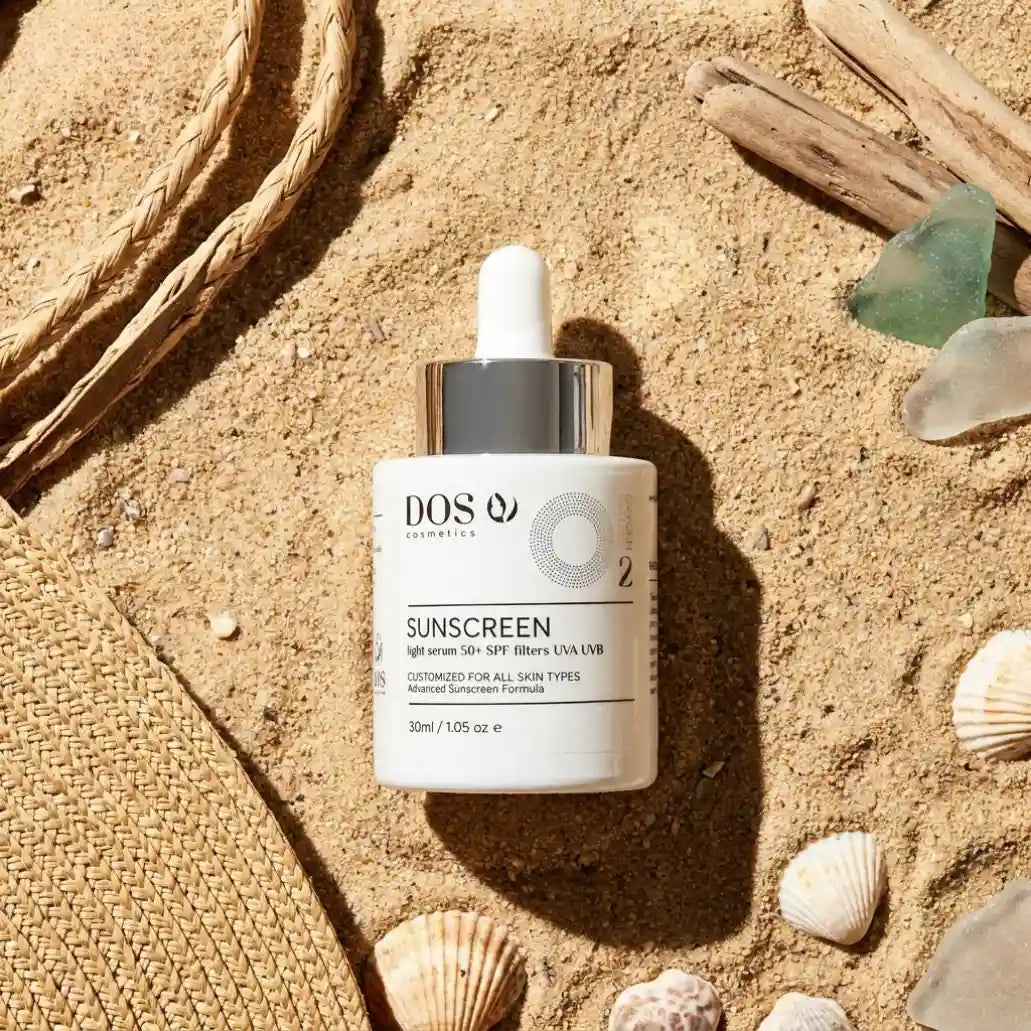
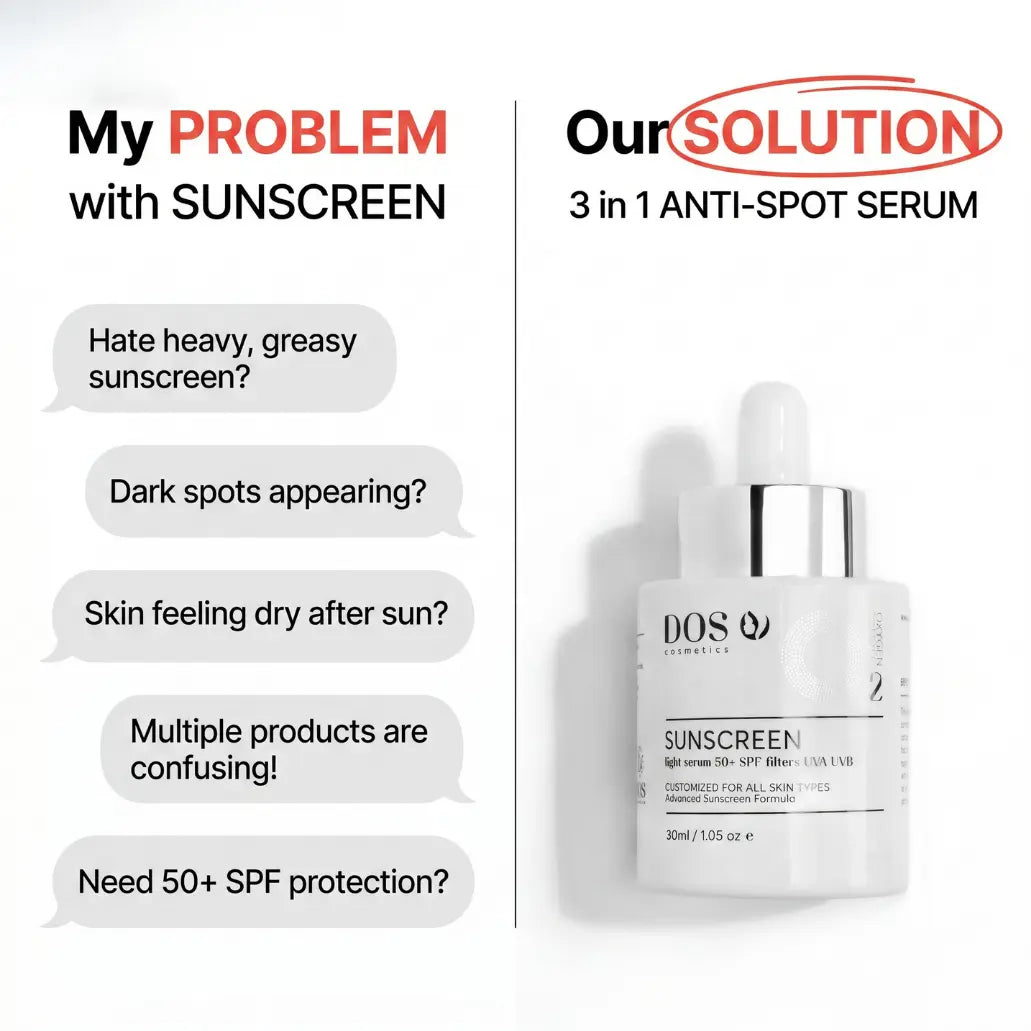 Αντηλιακός Ορός SPF50+ Αντιοξειδωτική Άμυνα UVA/UVB κατά των Σκούρων Κηλίδων
- Κανονική τιμή
-
79.00 - Κανονική τιμή
-
- Τιμή πώλησης
-
79.00
-
Ορός Ημέρας HIBIO

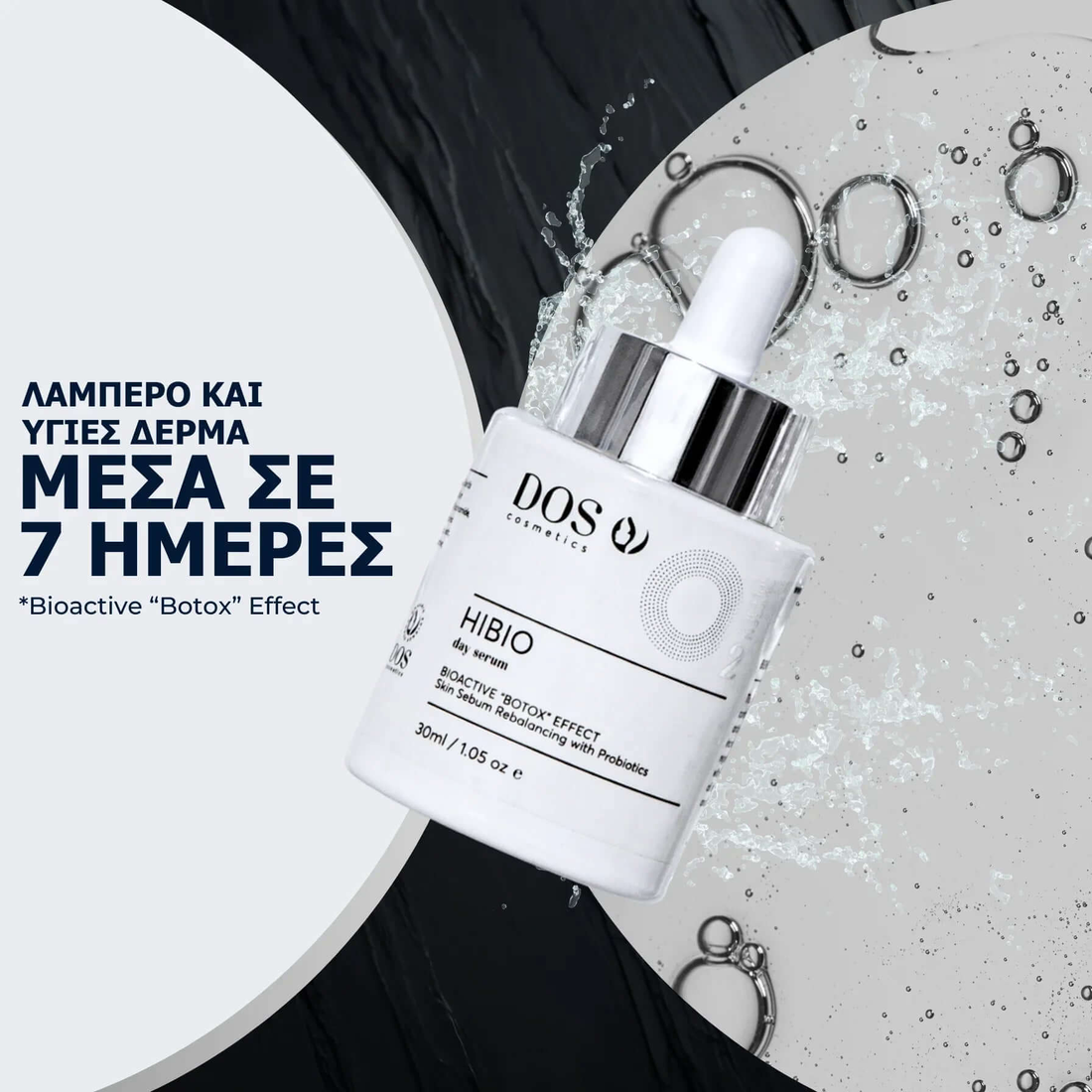 Ορός Ημέρας HIBIO Ισορροπία με Προβιοτικά & Ιβίσκο για Βαθιά Ενυδάτωση
- Κανονική τιμή
-
79.00 - Κανονική τιμή
-
- Τιμή πώλησης
-
79.00
-
Νυχτερινό Διάλυμα Mandelicum
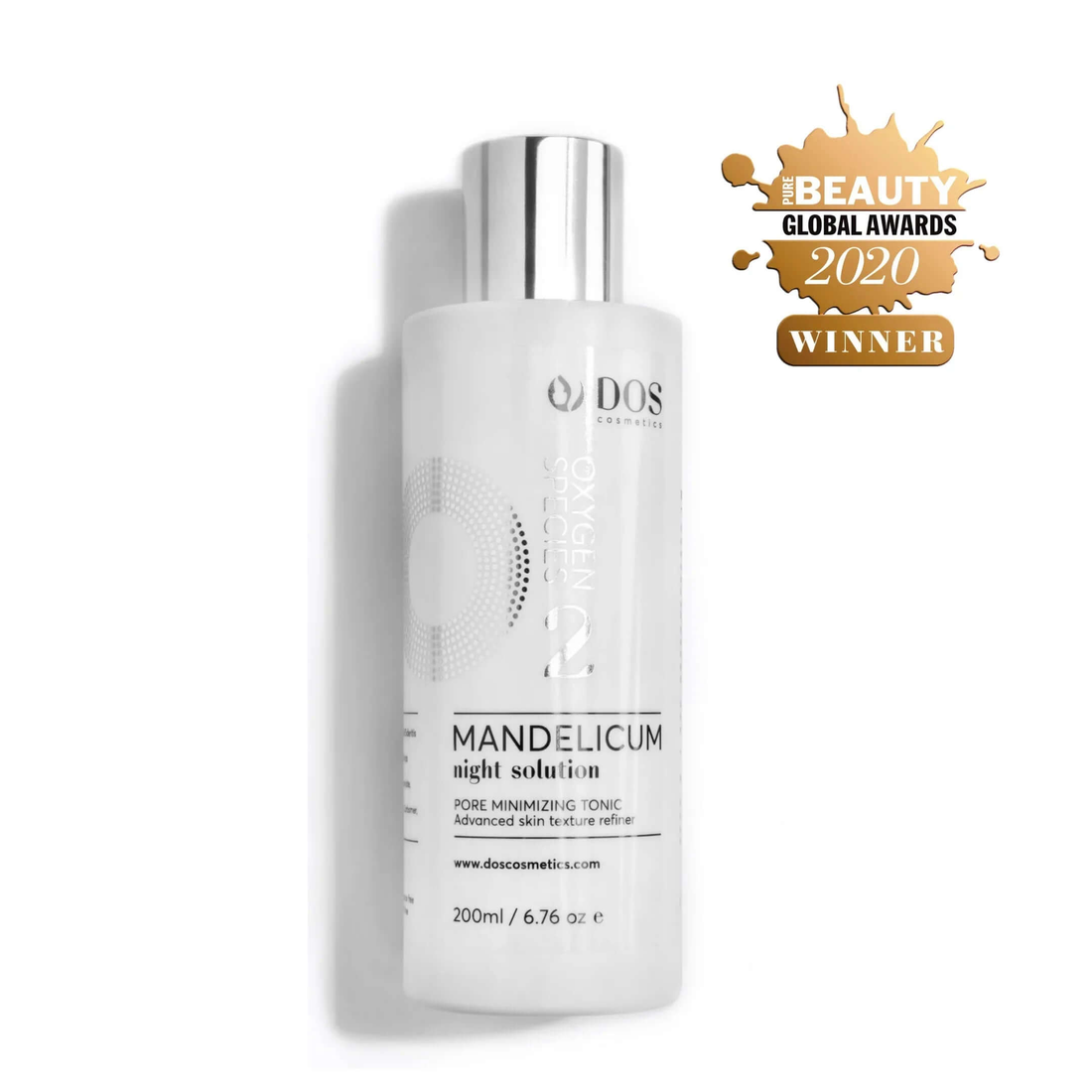
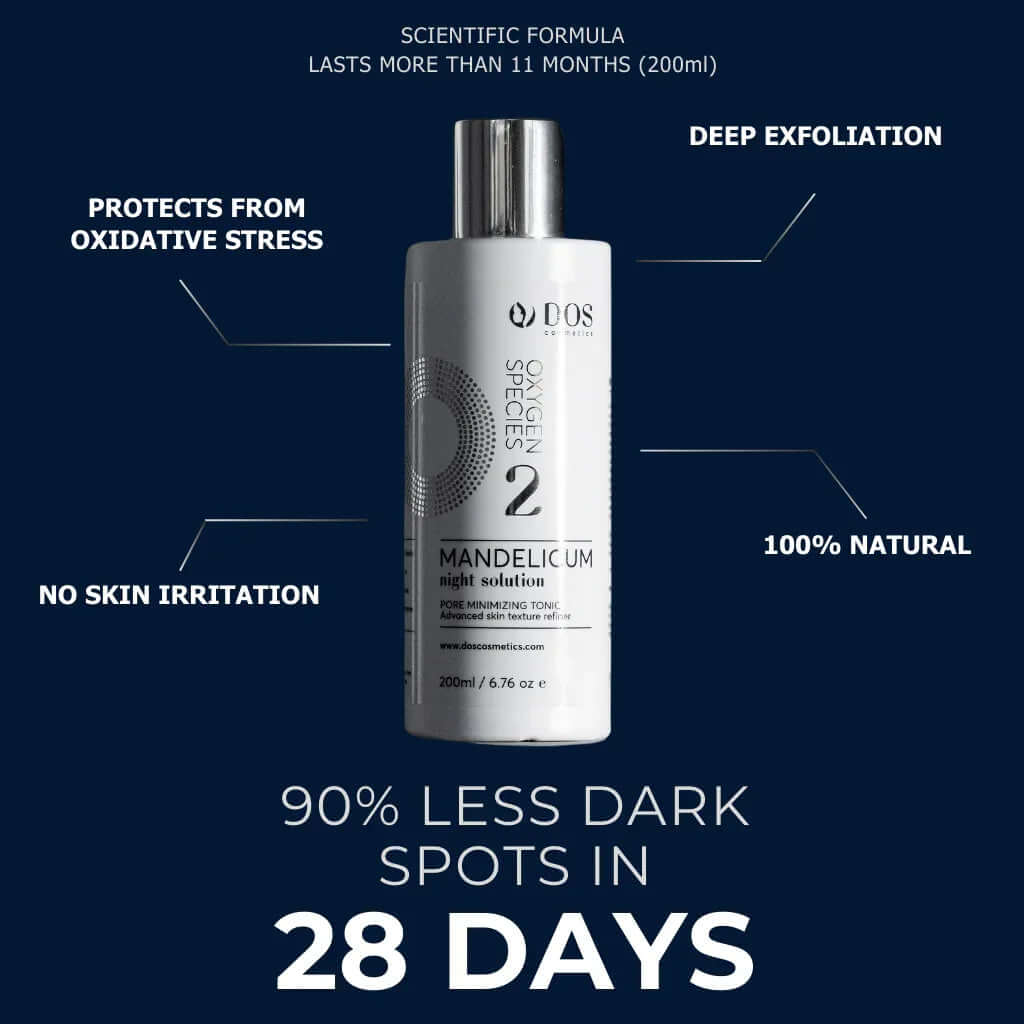 Νυχτερινό Διάλυμα Mandelicum Βραβευμένη Νυχτερινή Φροντίδα με Μανδελικό Οξύ
- Κανονική τιμή
-
39.00 112.00 - Κανονική τιμή
-
- Τιμή πώλησης
-
39.00 112.00
-
Κρέμα Ημέρας με Κολλαγόνο

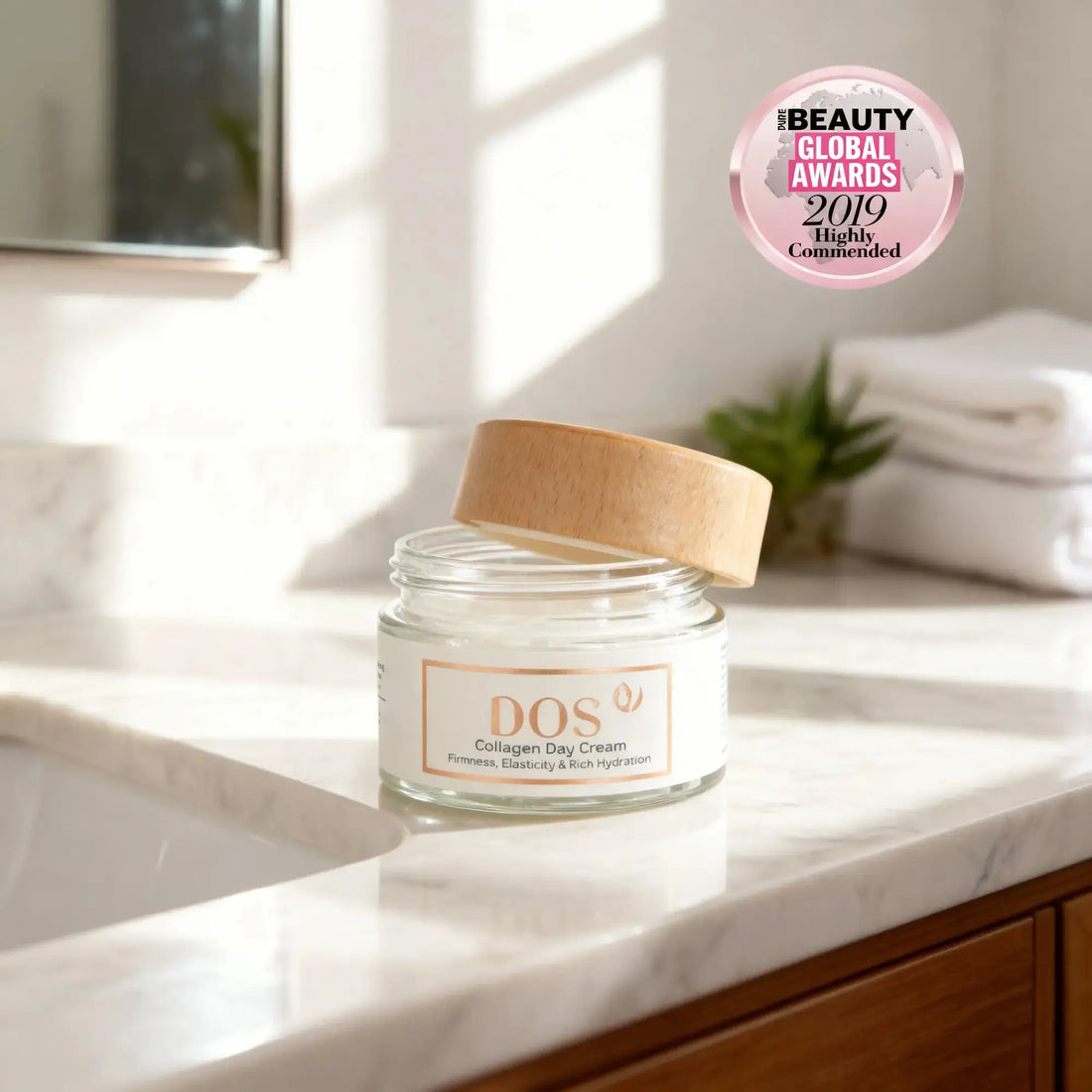 Κρέμα Ημέρας με Κολλαγόνο Βραβευμένη Ενυδάτωση Τριπλής Δράσης
- Κανονική τιμή
-
39.00 109.00 - Κανονική τιμή
-
- Τιμή πώλησης
-
39.00 109.00
-
Κρέμα Ημέρας με Υαλουρονικό
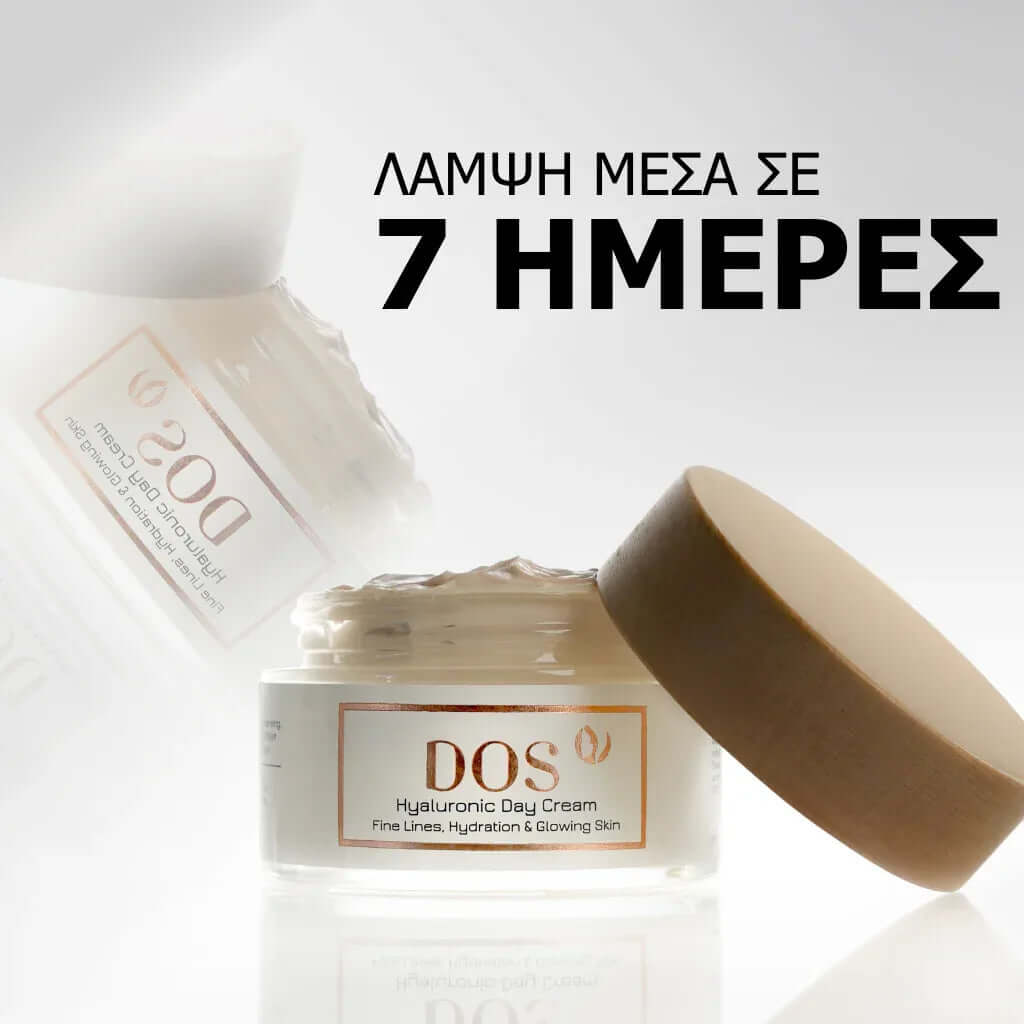
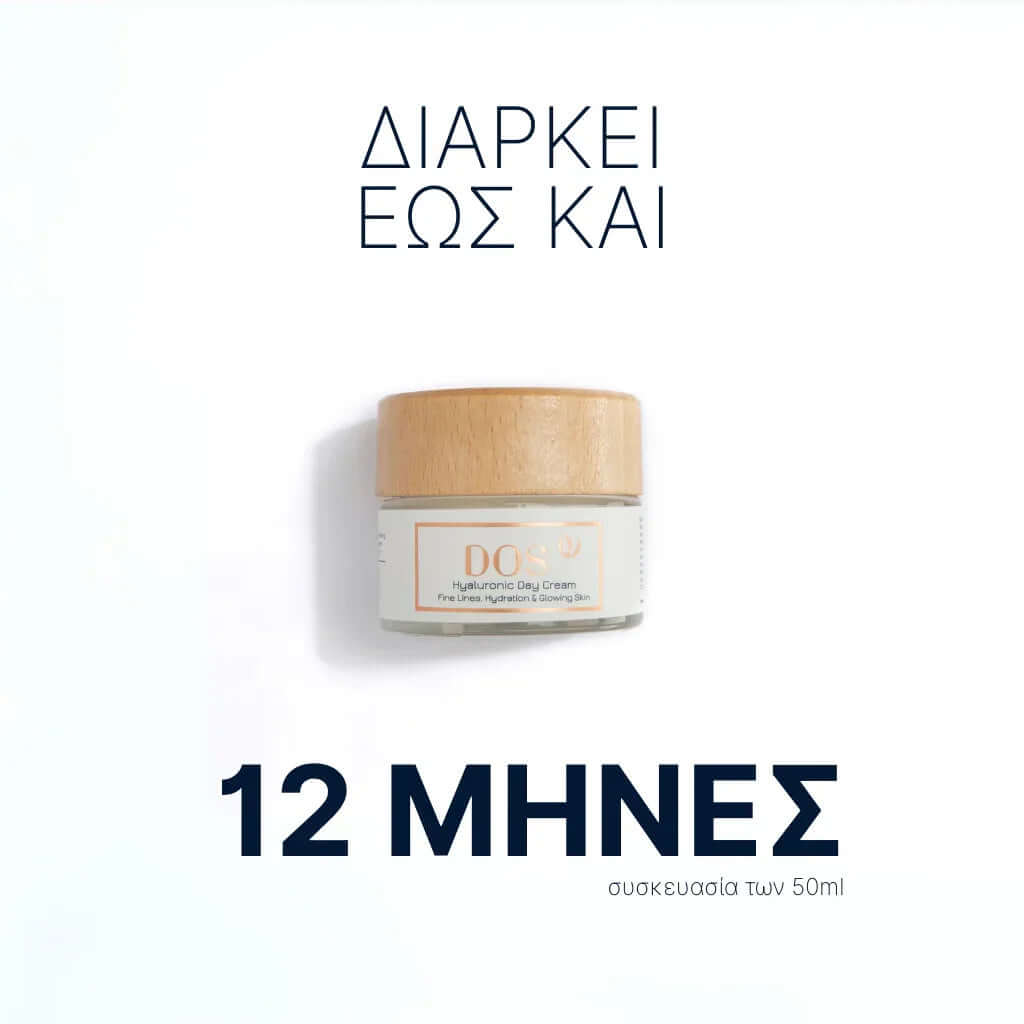 Κρέμα Ημέρας με Υαλουρονικό Με Πεπτίδια, Έλαιο Μαστίχας & Ελληνικά Φυτικά Εκχυλίσματα
- Κανονική τιμή
-
39.00 89.00 - Κανονική τιμή
-
- Τιμή πώλησης
-
39.00 89.00
-
Κρέμα Ματιών με Κολλαγόνο
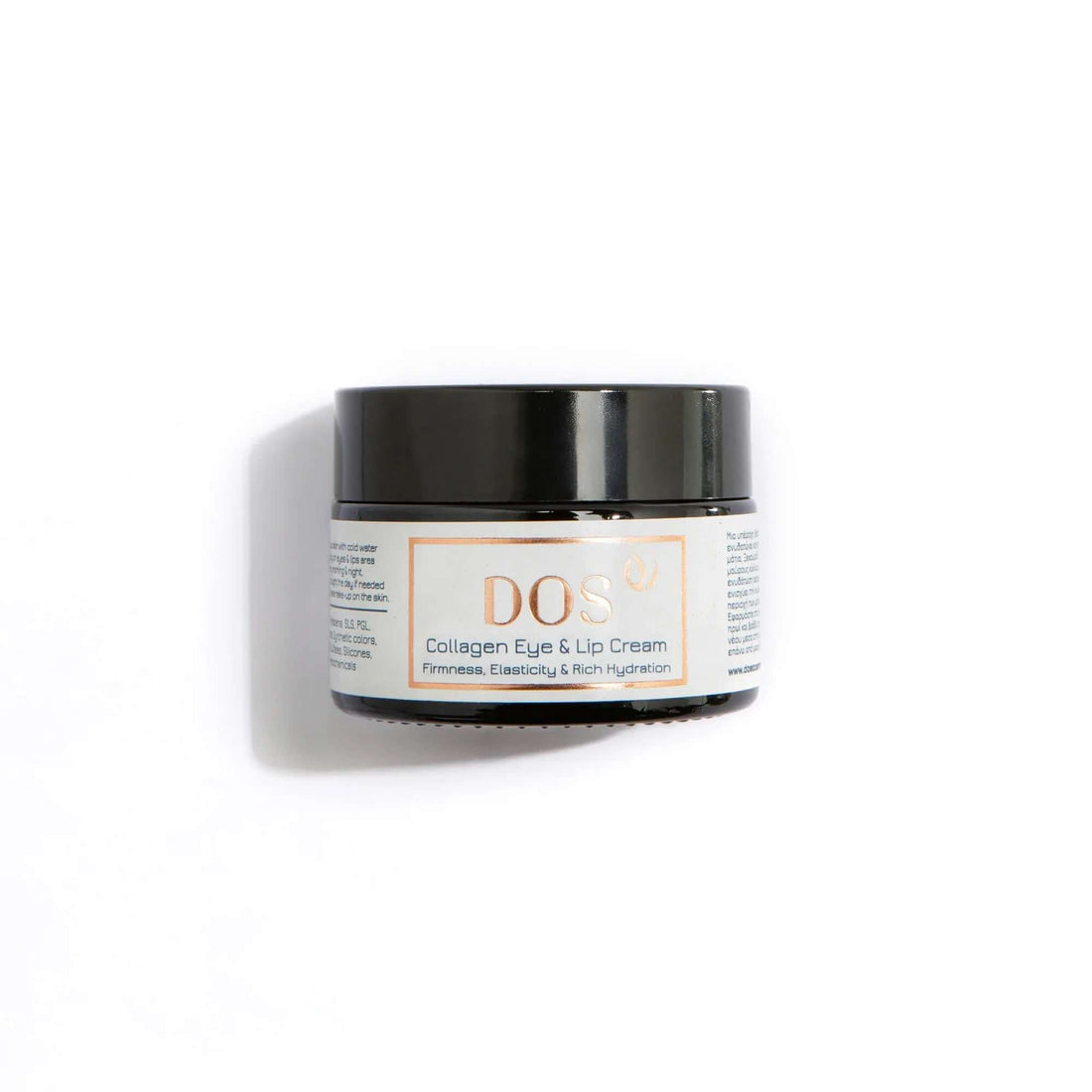
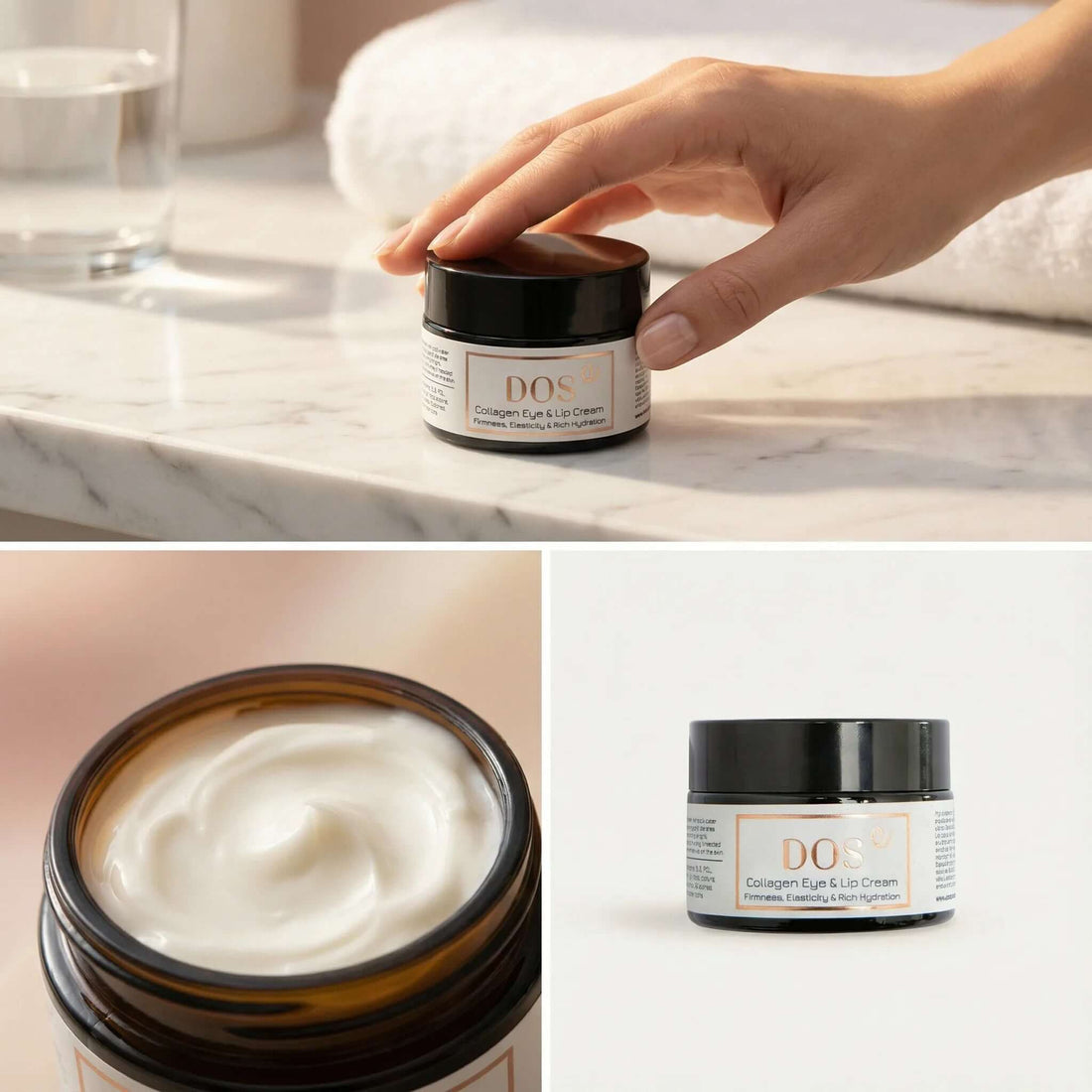 Κρέμα Ματιών με Κολλαγόνο Αναζωογονητική Αντιγηραντική Φροντίδα για Μάτια & Χείλη
- Κανονική τιμή
-
79.00 - Κανονική τιμή
-
- Τιμή πώλησης
-
79.00
-
Κρέμα Νύχτας με Υαλουρονικό
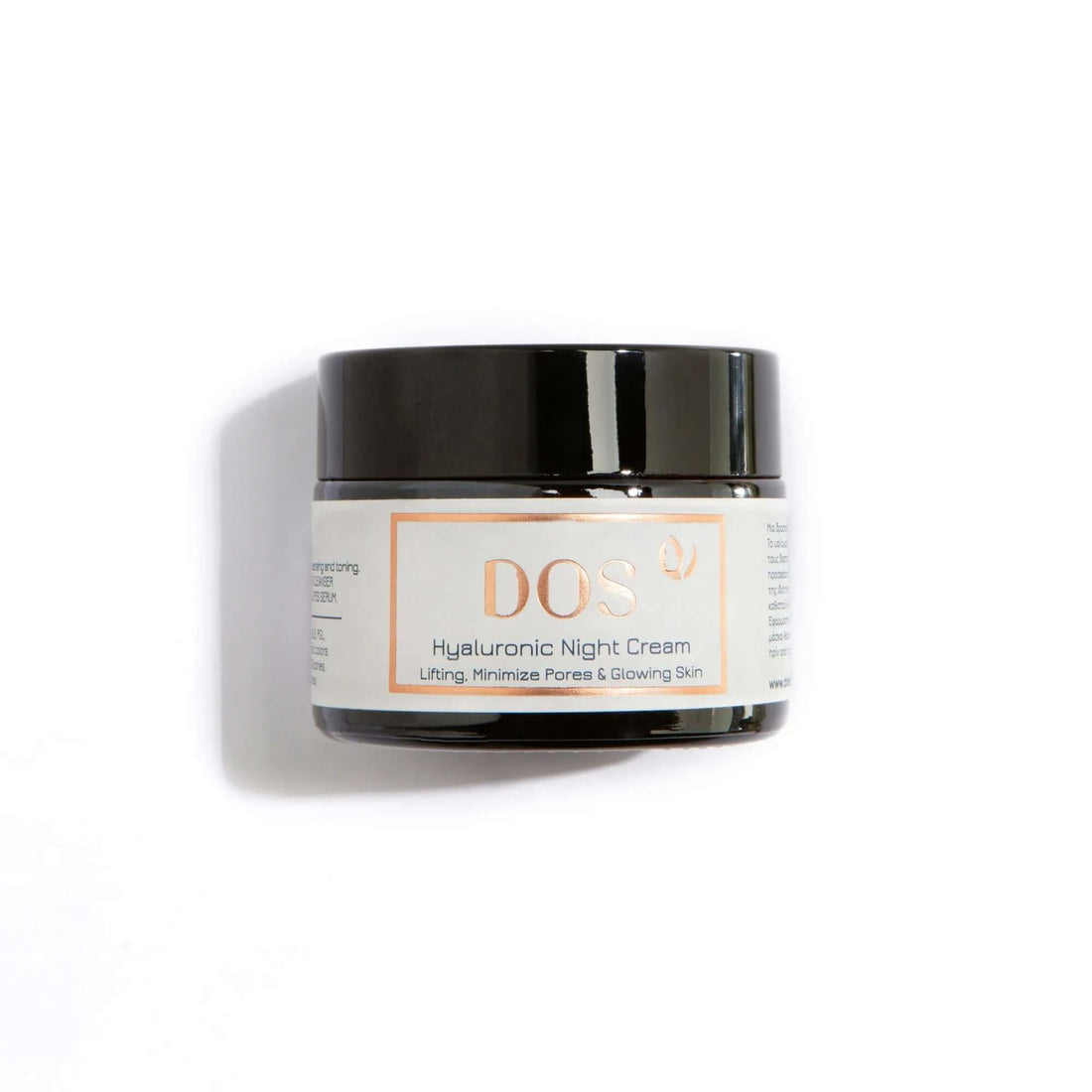
 Κρέμα Νύχτας με Υαλουρονικό Αντιοξειδωτική Ανόρθωση & Νυχτερινή Ανανέωση
- Κανονική τιμή
-
39.00 109.00 - Κανονική τιμή
-
- Τιμή πώλησης
-
39.00 109.00
-
Κρέμα Ματιών με Υαλουρονικό
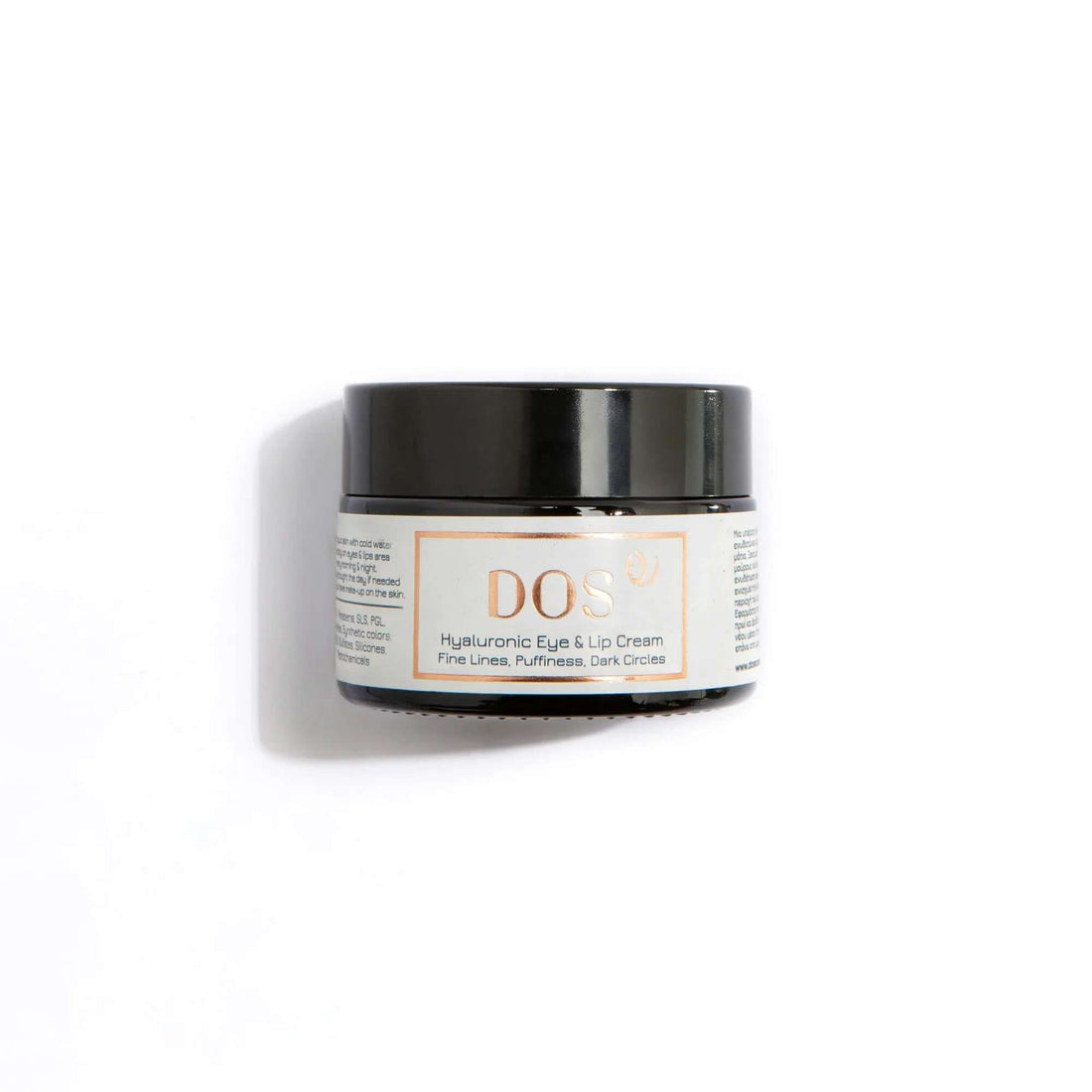
 Κρέμα Ματιών με Υαλουρονικό Βαθιά Ενυδάτωση για Μάτια & Χείλη
- Κανονική τιμή
-
69.00 - Κανονική τιμή
-
- Τιμή πώλησης
-
69.00
-
Κρέμα Νύχτας με Ρετινόλη
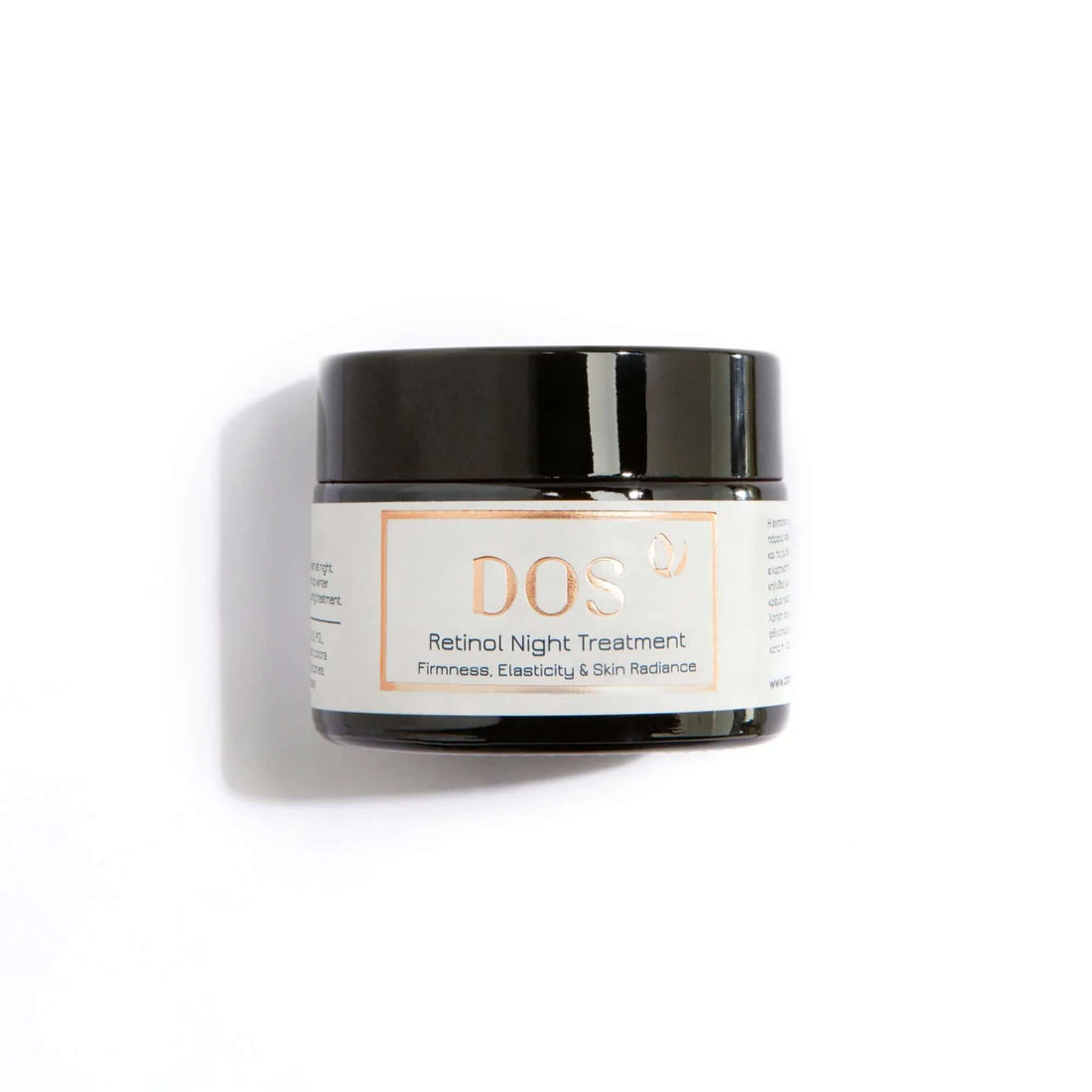
 Κρέμα Νύχτας με Ρετινόλη Ανανέωση & Υποστήριξη Κολλαγόνου
- Κανονική τιμή
-
149.00 - Κανονική τιμή
-
- Τιμή πώλησης
-
149.00
-
Κρέμα Νύχτας AHA-Hyal
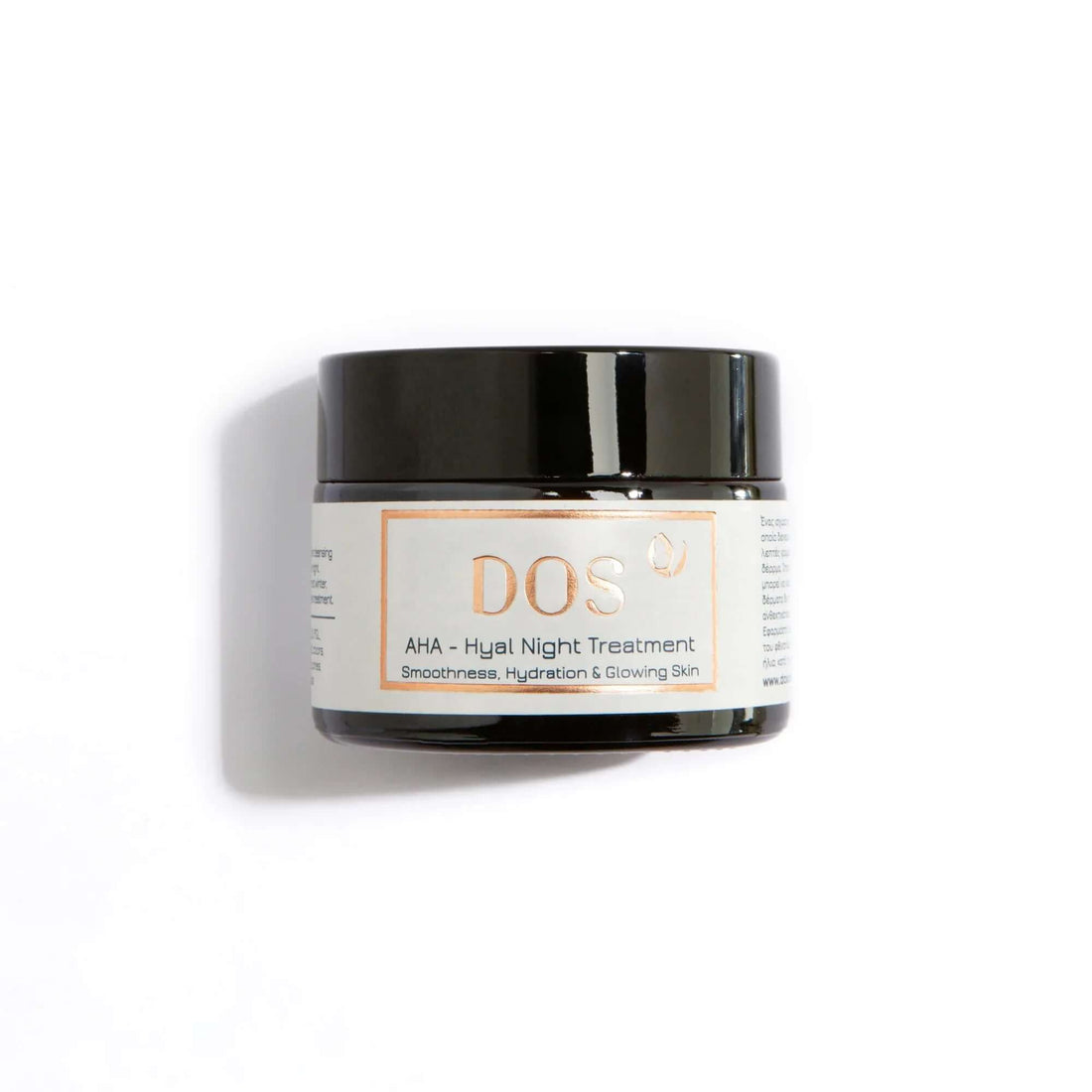
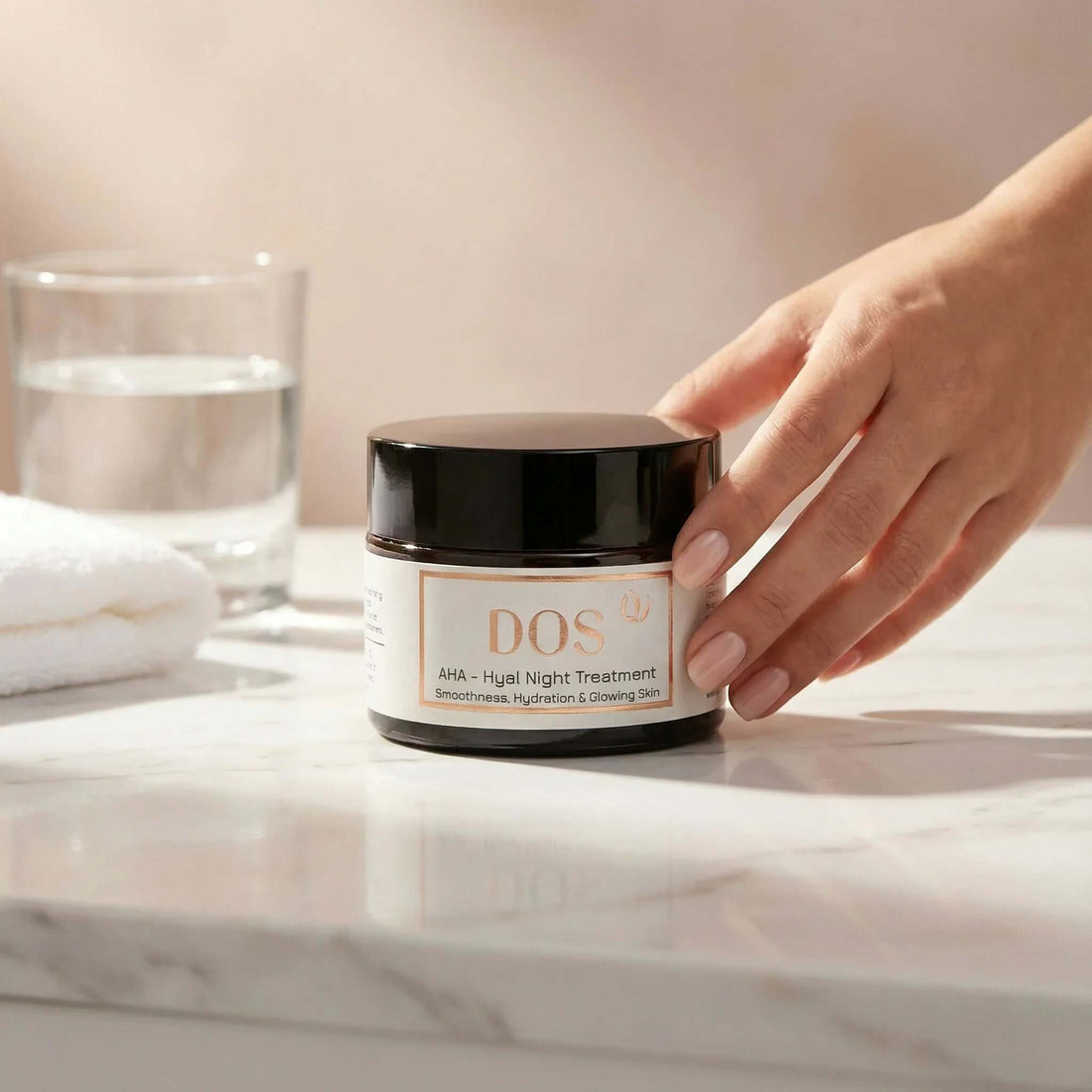 Κρέμα Νύχτας AHA-Hyal Αναγεννητική Νυχτερινή Ανανέωση
- Κανονική τιμή
-
129.00 - Κανονική τιμή
-
- Τιμή πώλησης
-
129.00
-
Φυσικό Λάδι Λάμψης
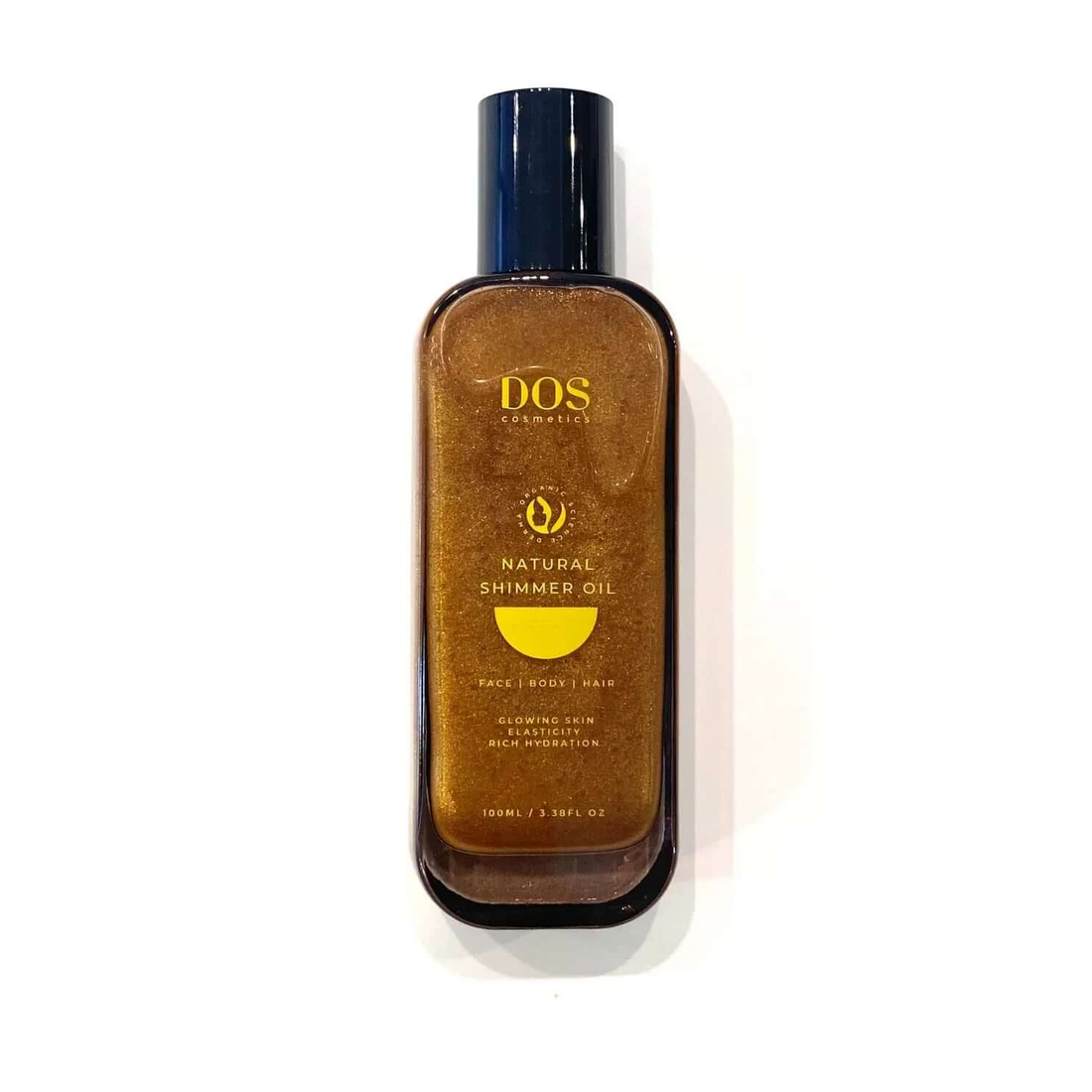 Φυσικό Λάδι Λάμψης Ηλιοφίλητη Λάμψη με Φυσικό Ιριδισμό
- Κανονική τιμή
-
39.00 - Κανονική τιμή
-
- Τιμή πώλησης
-
39.00
-
Έλαιο Αργκάν
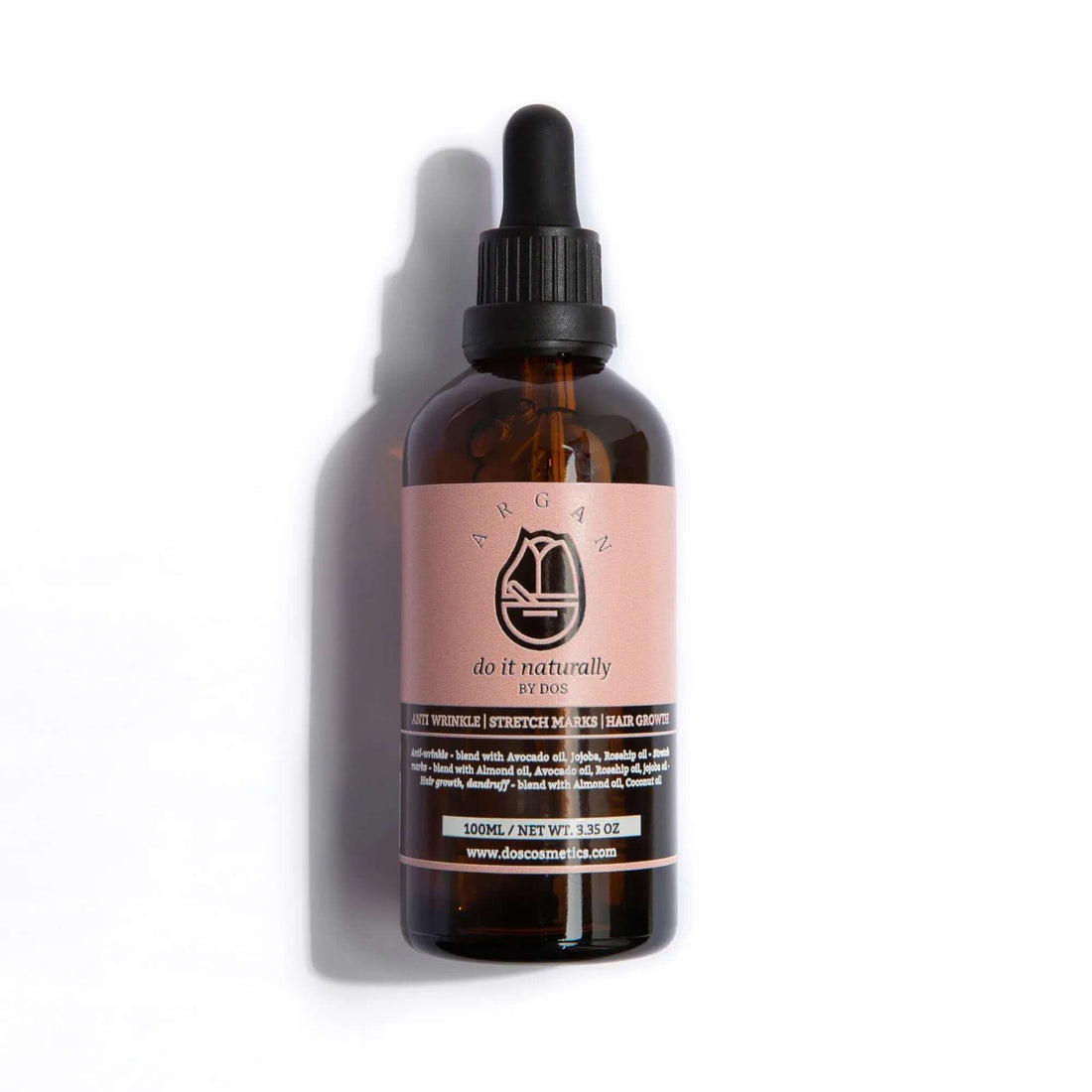
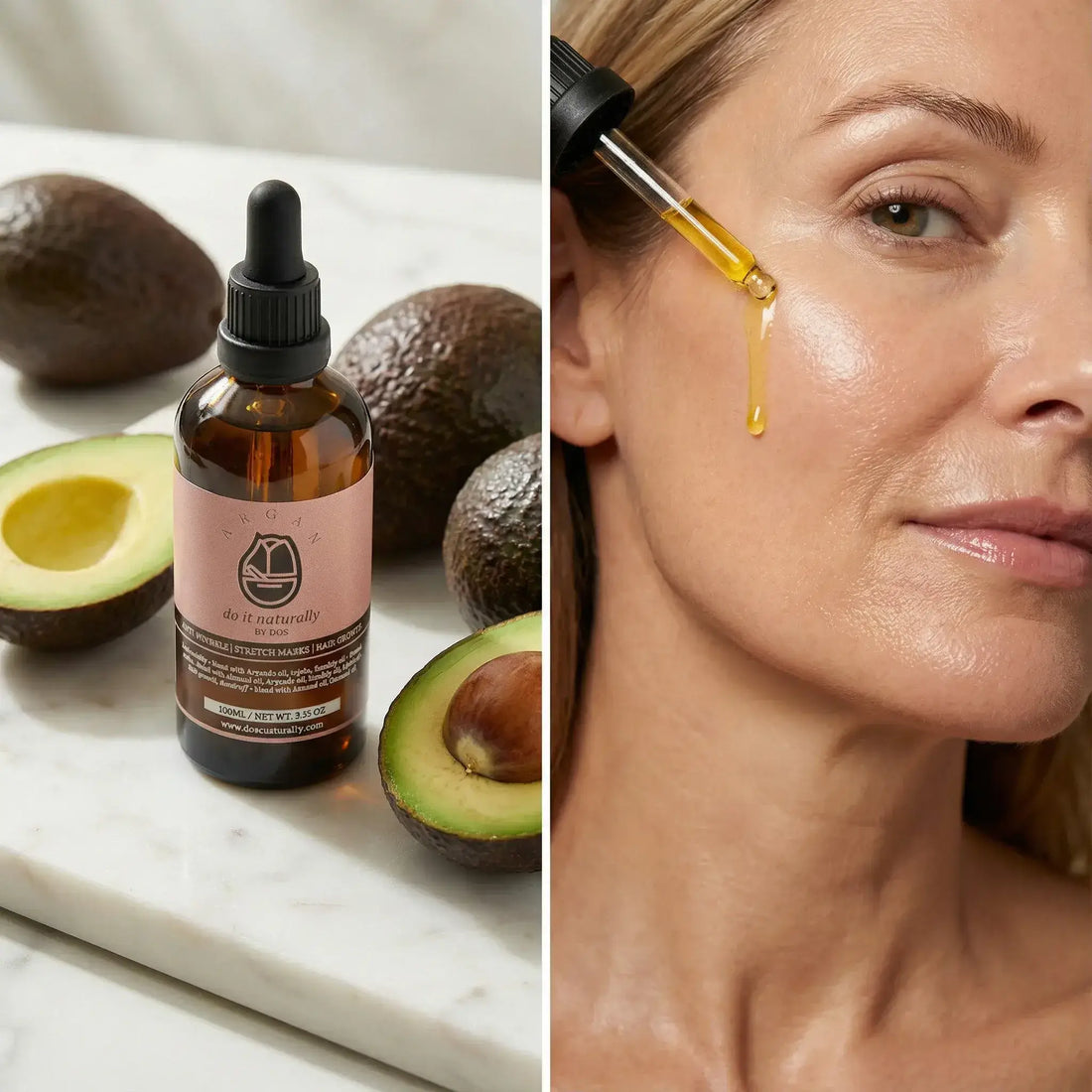 Έλαιο Αργκάν Αντιοξειδωτικό Έλαιο για Νεανική Επιδερμίδα
- Κανονική τιμή
-
39.00 - Κανονική τιμή
-
- Τιμή πώλησης
-
39.00
-
Λιπ Γκλος Όγκου με Κολλαγόνο
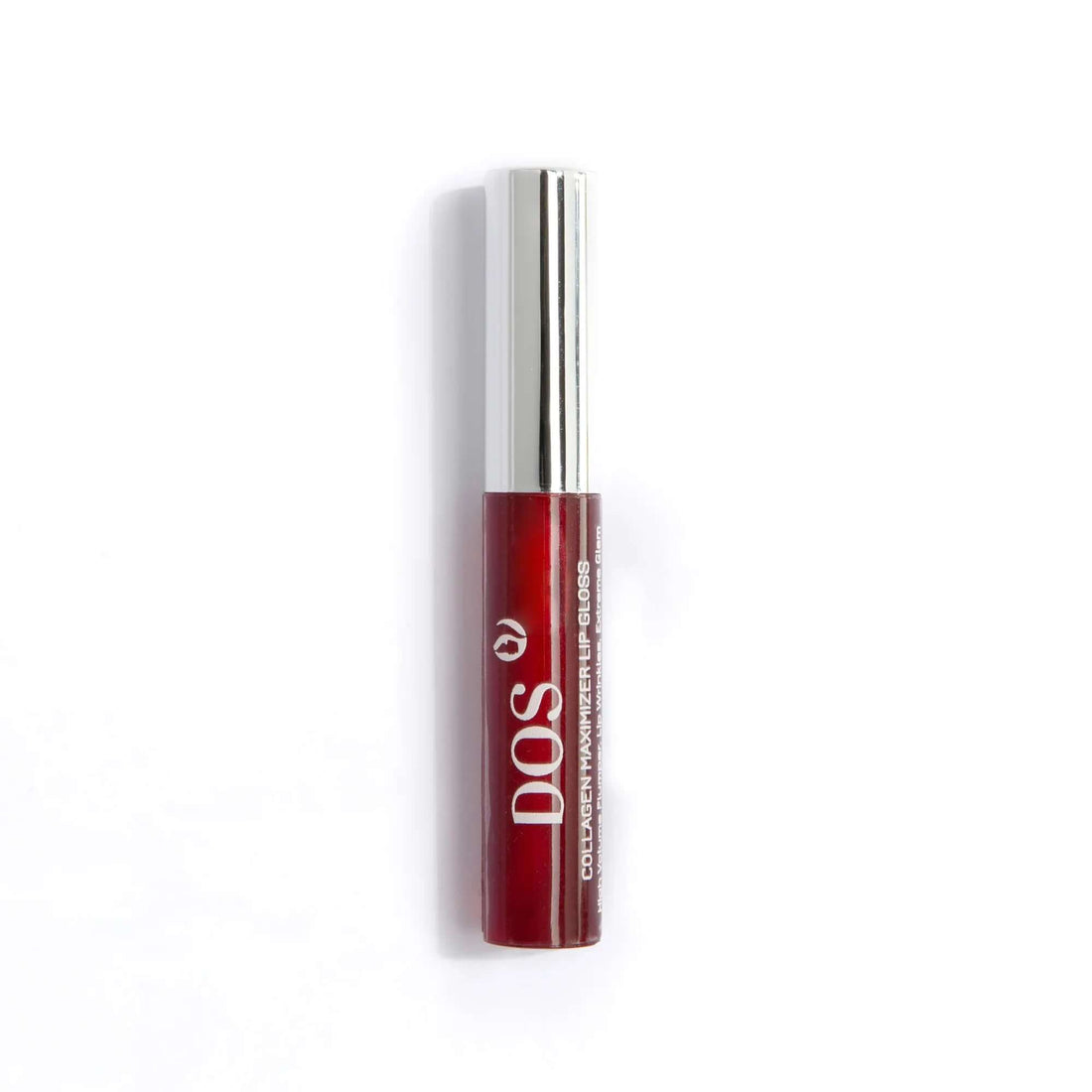
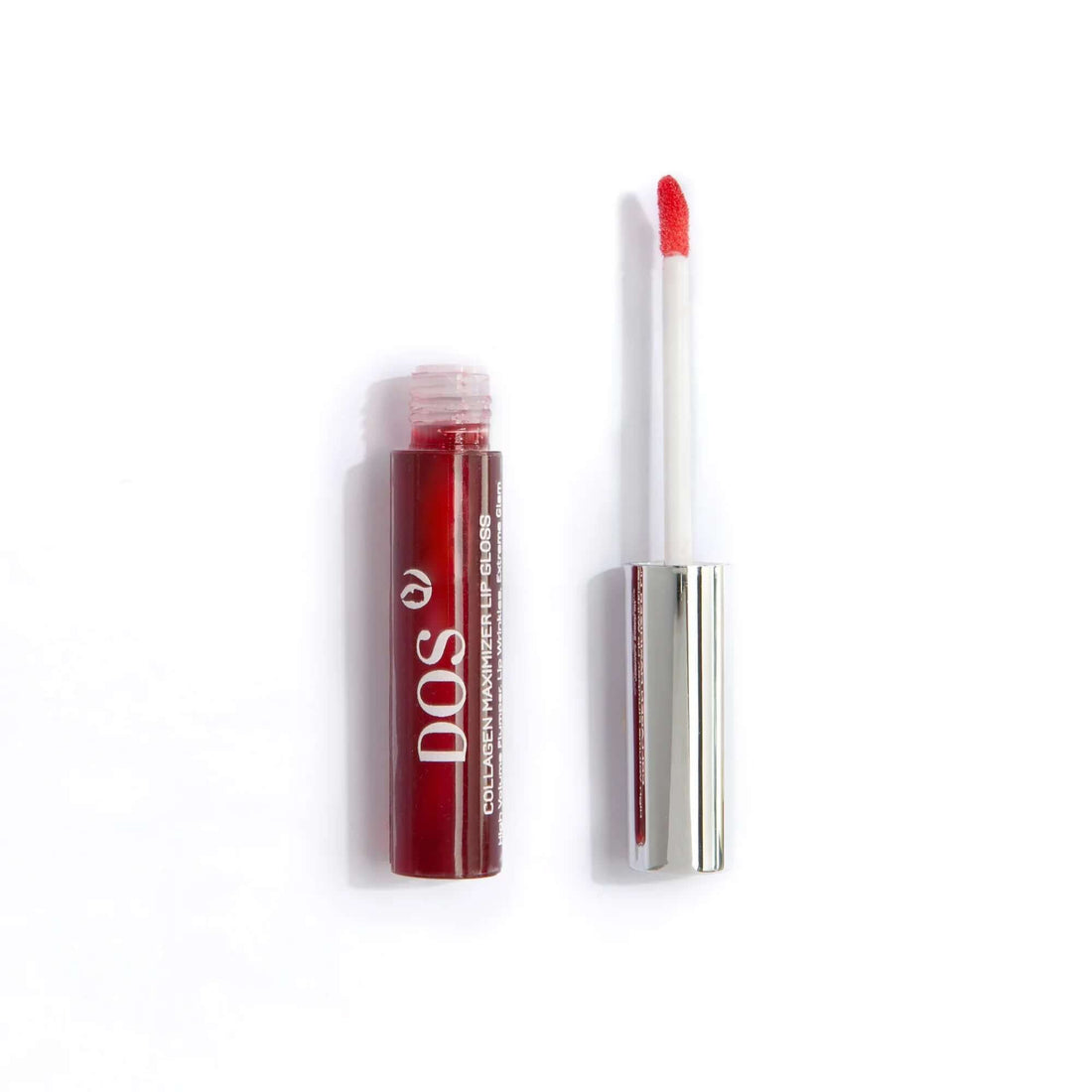 Λιπ Γκλος Όγκου με Κολλαγόνο Φροντίδα Χειλιών για Όγκο & Ενυδάτωση
- Κανονική τιμή
-
32.00 - Κανονική τιμή
-
- Τιμή πώλησης
-
32.00
-
Καστορέλαιο
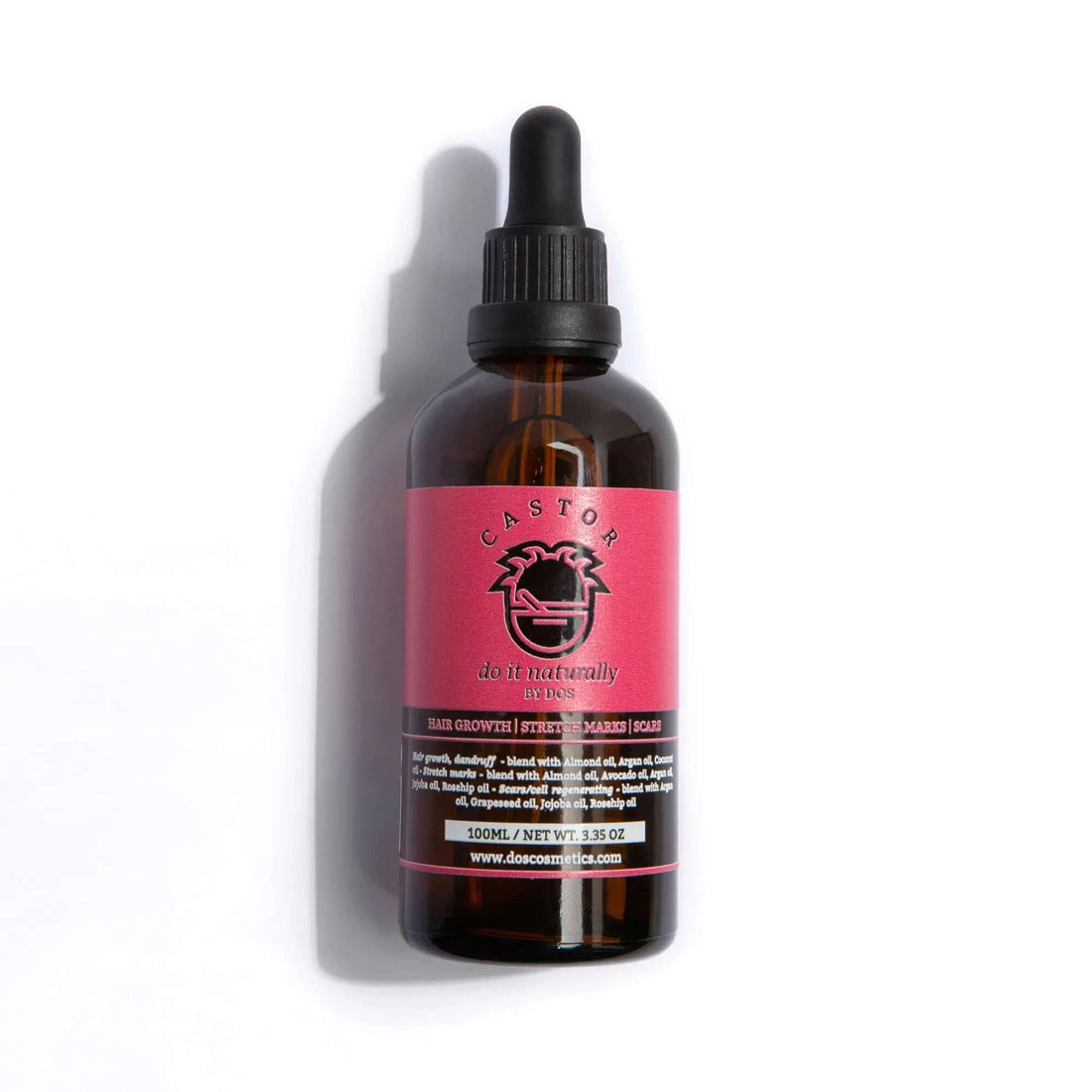
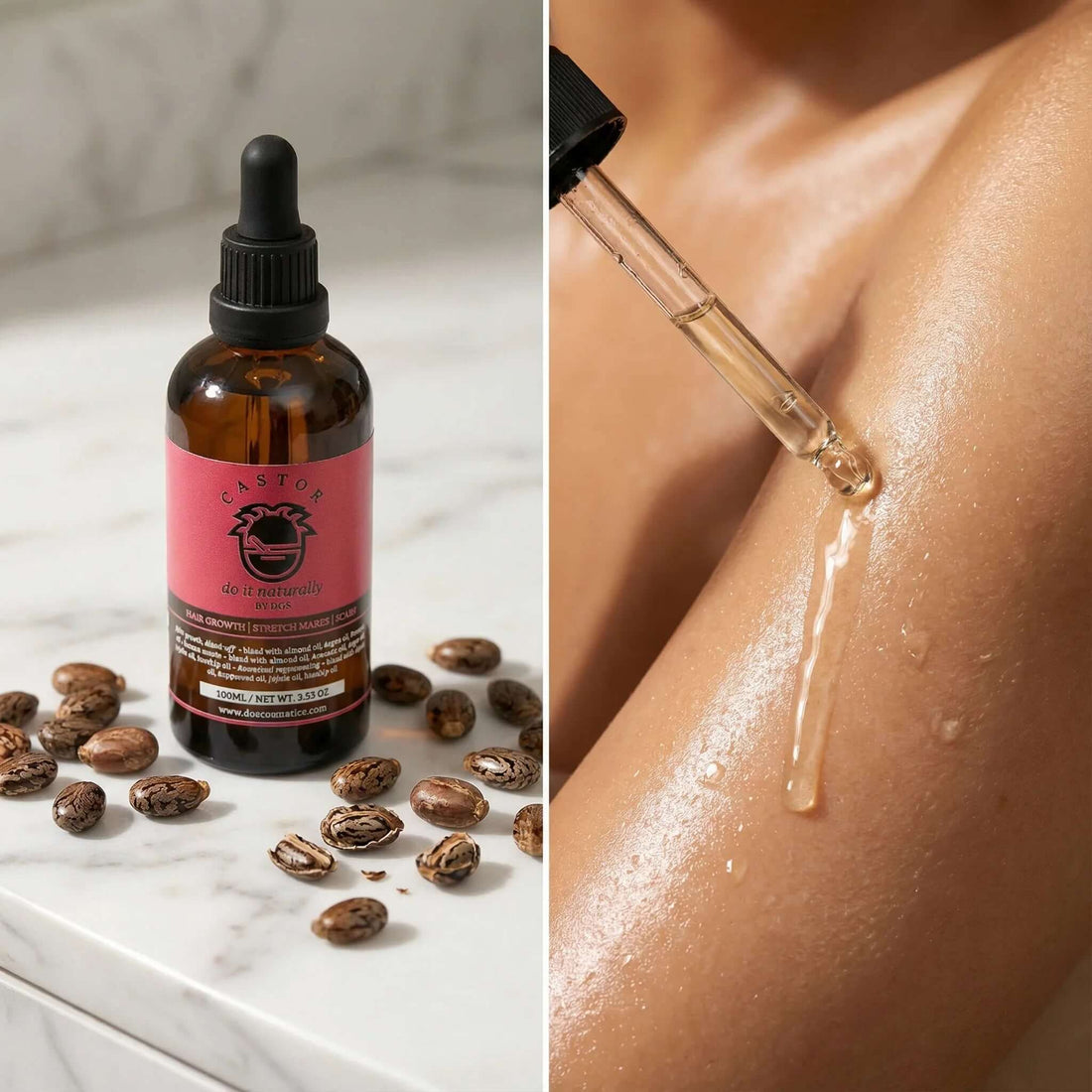 Καστορέλαιο Αναγεννητικό Έλαιο για Επιδερμίδα & Τριχωτό Κεφαλής
- Κανονική τιμή
-
19.00 - Κανονική τιμή
-
- Τιμή πώλησης
-
19.00
-
Έλαιο Αγριοτριανταφυλλιάς
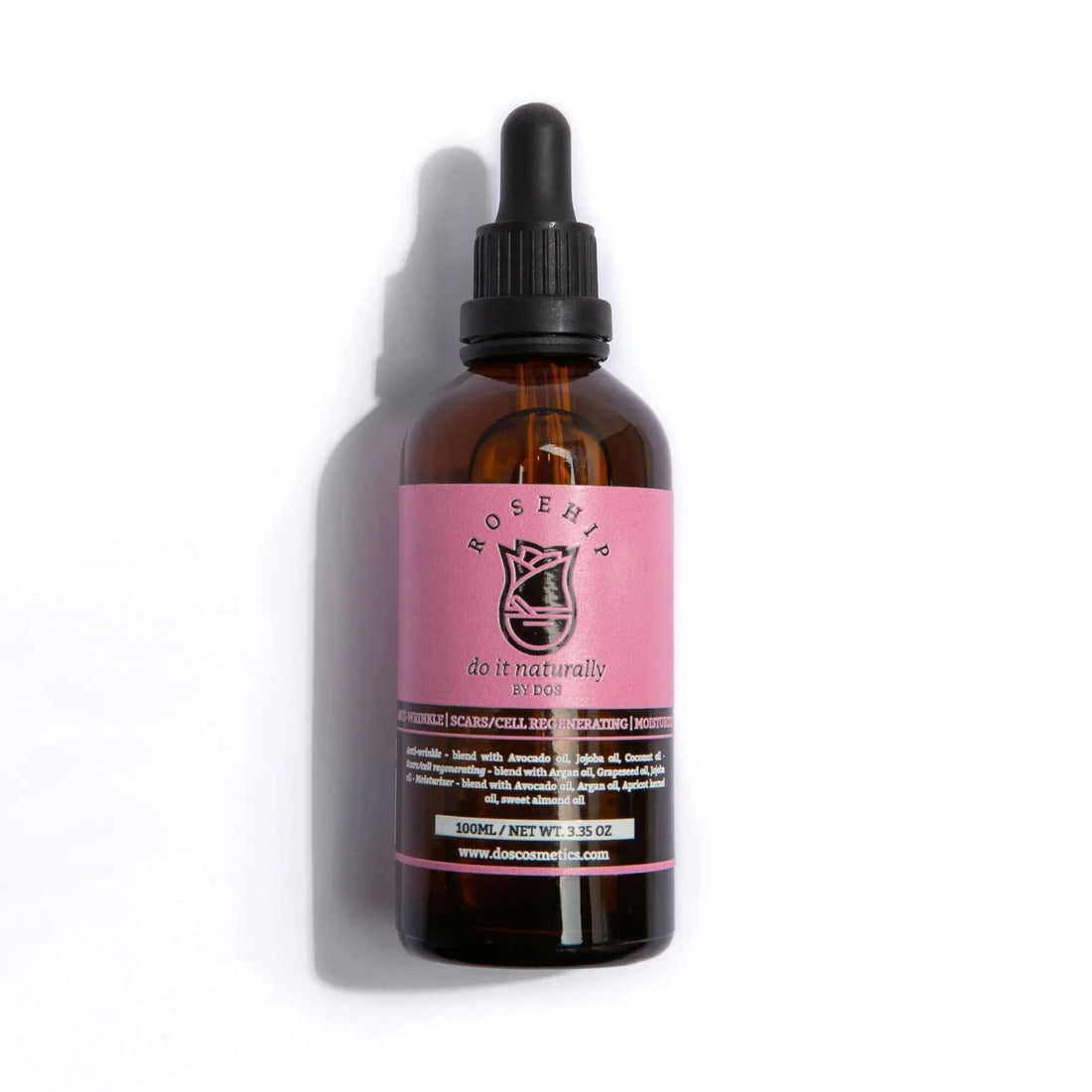
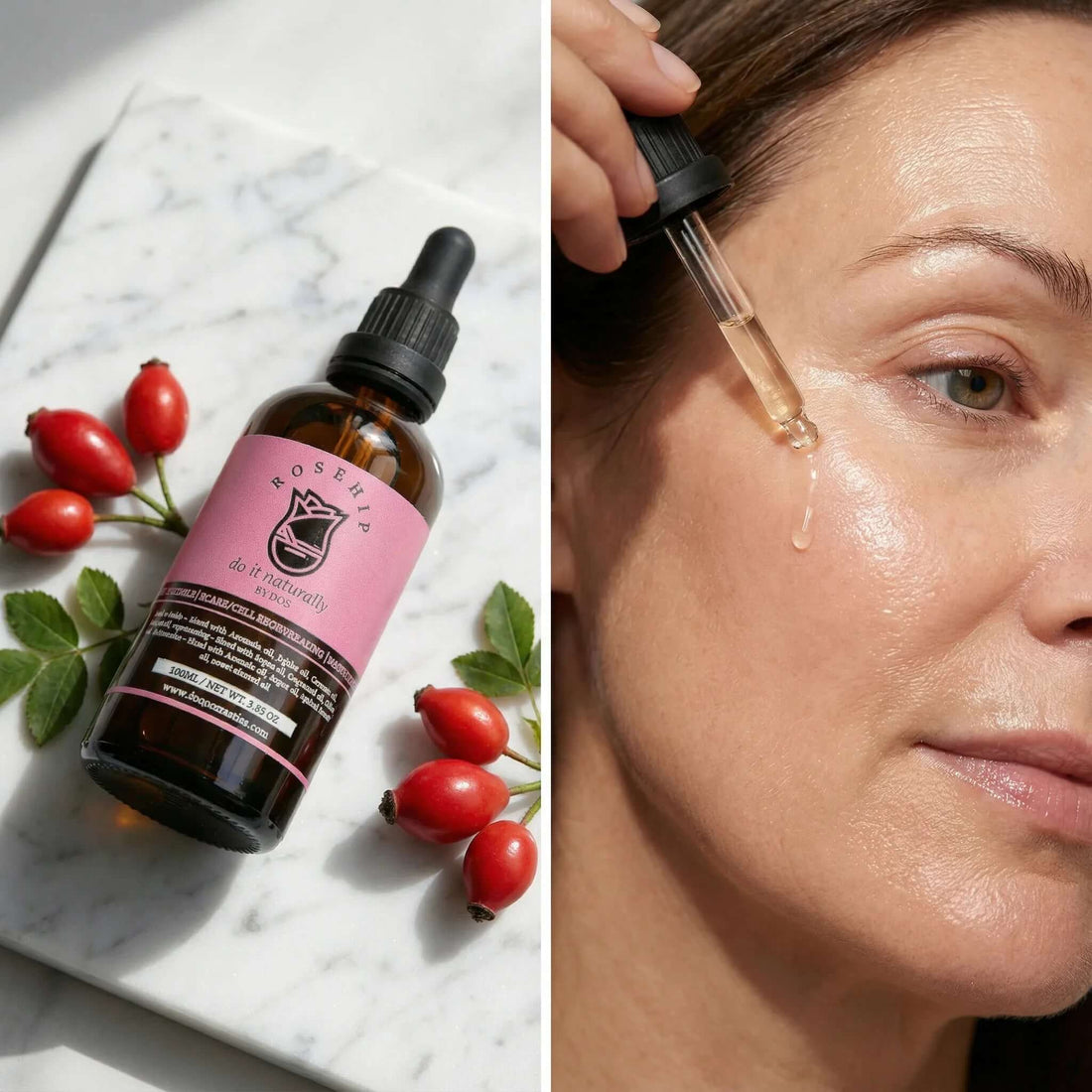 Έλαιο Αγριοτριανταφυλλιάς Αναγεννητικό Έλαιο για Νεανική Επιδερμίδα
- Κανονική τιμή
-
19.00 - Κανονική τιμή
-
- Τιμή πώλησης
-
19.00
-
Ρολό Προσώπου με Gua Sha
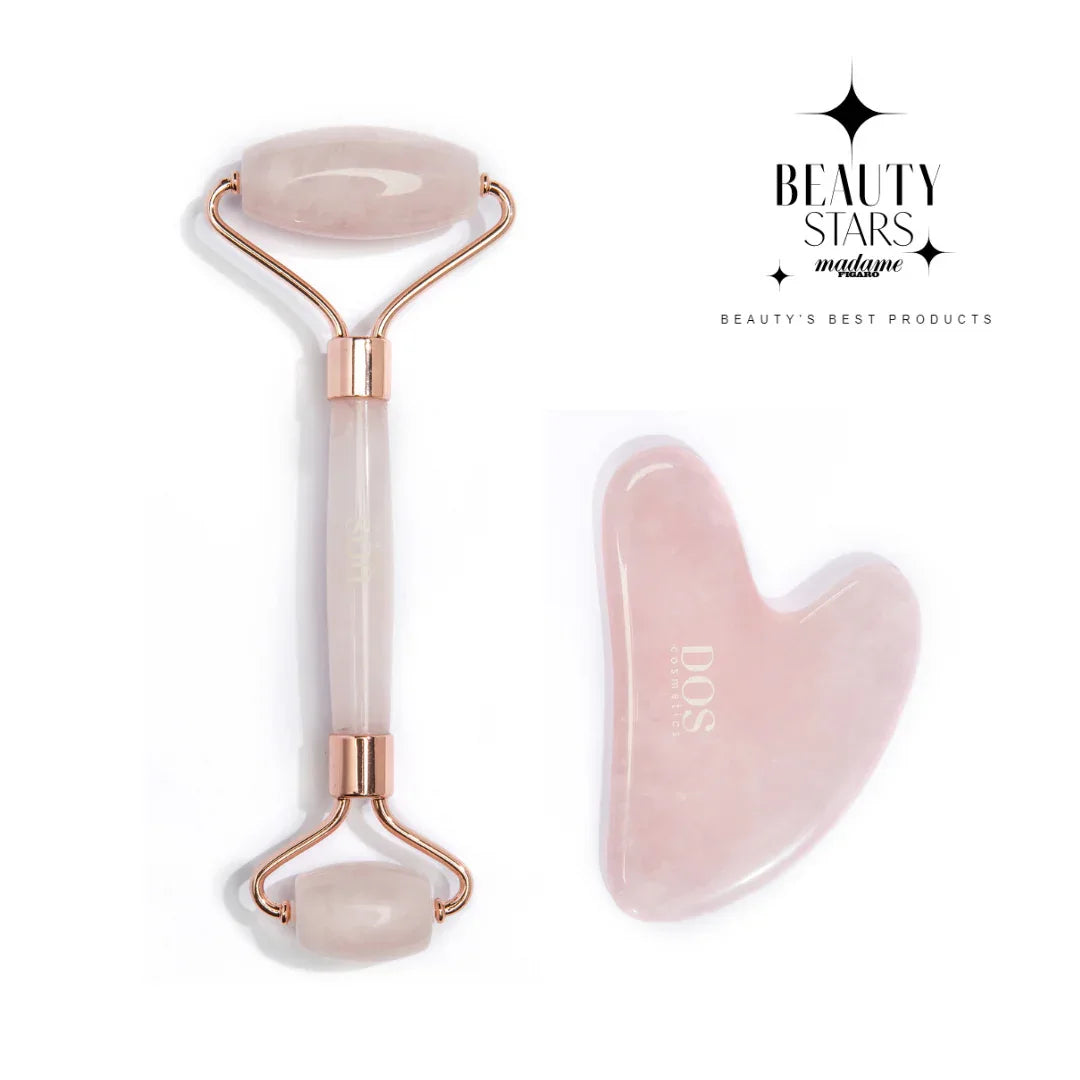 Ρολό Προσώπου με Gua Sha Roller & Εργαλείο Gua Sha από Ροζ Χαλαζία
- Κανονική τιμή
-
69.00 - Κανονική τιμή
-
- Τιμή πώλησης
-
69.00
-
Σετ Ομορφιάς για Σκούρες Κηλίδες
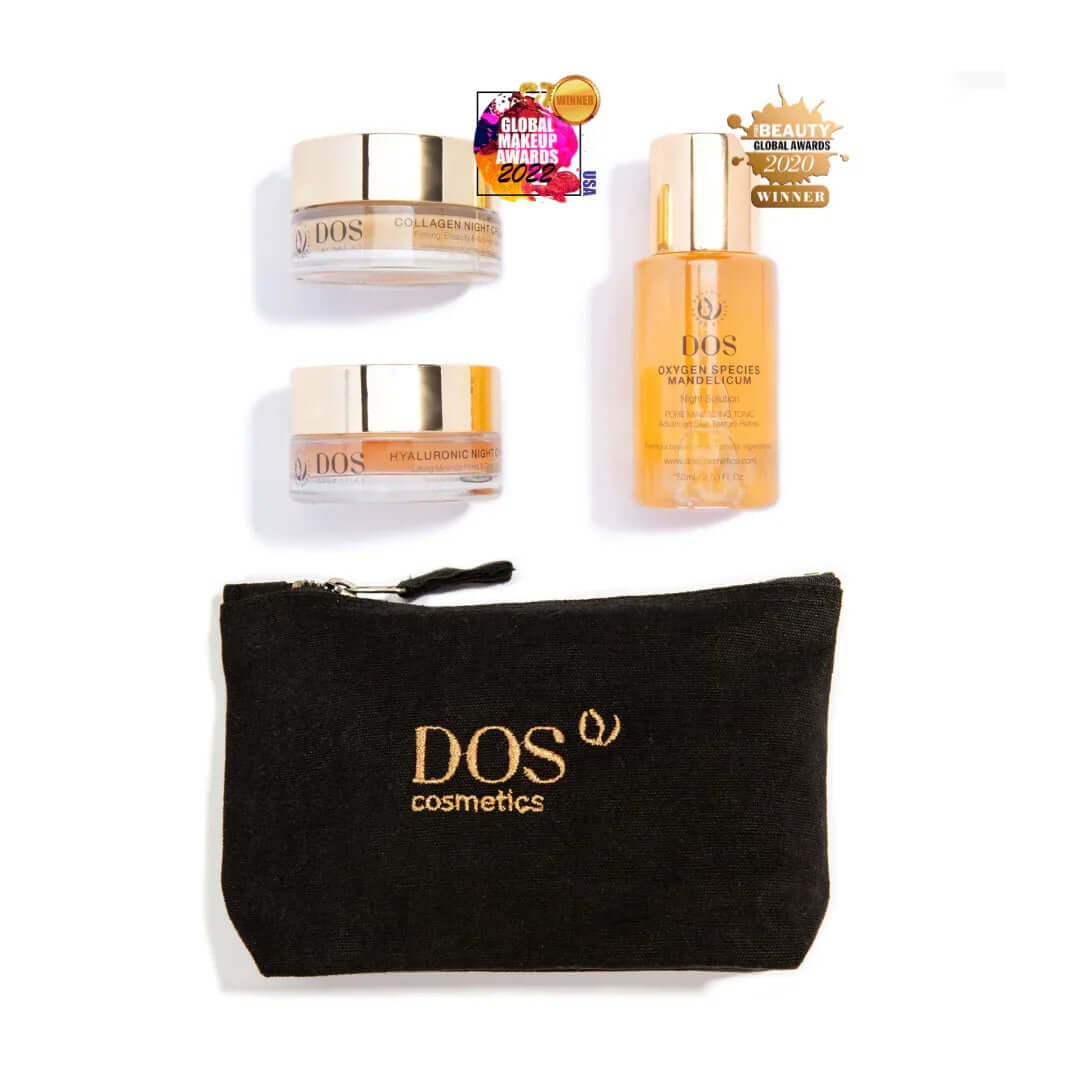
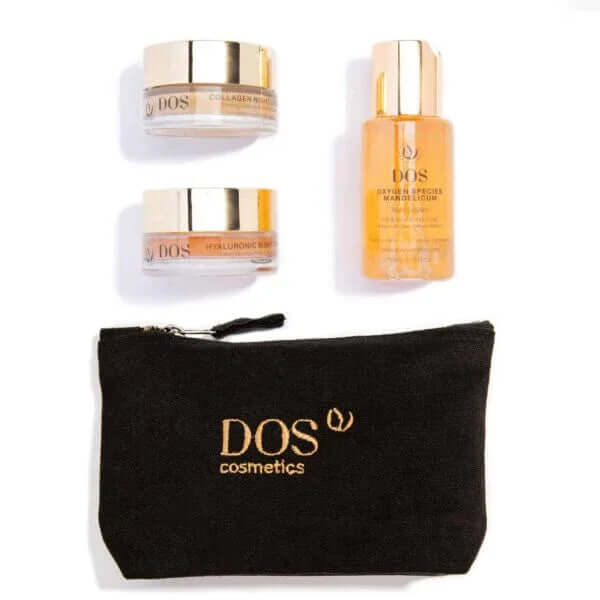 Σετ Ομορφιάς για Σκούρες Κηλίδες Στοχευμένη Φροντίδα για Σκούρες Κηλίδες
- Κανονική τιμή
-
119.00 - Κανονική τιμή
-
- Τιμή πώλησης
-
119.00
-
Σταφυλέλαιο
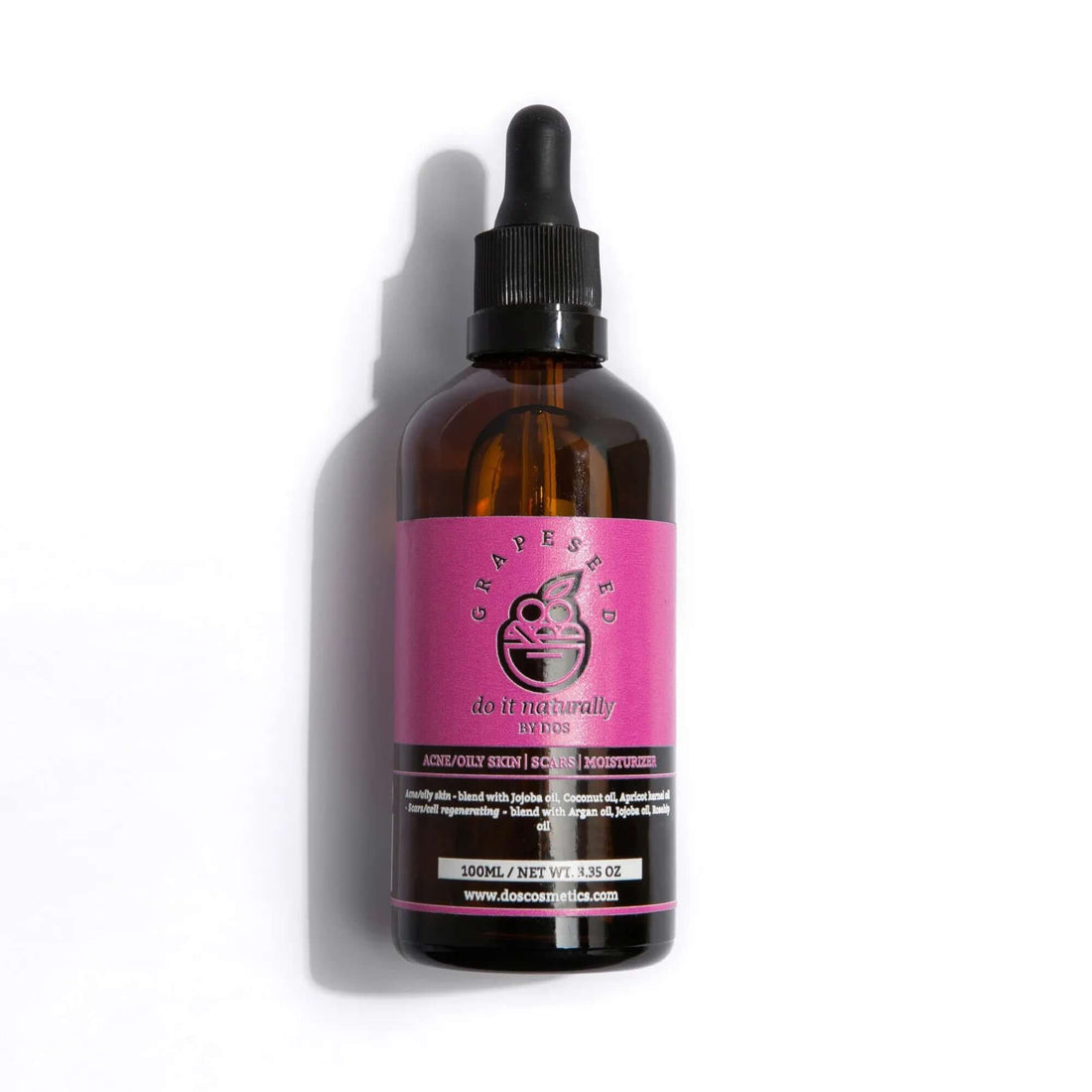
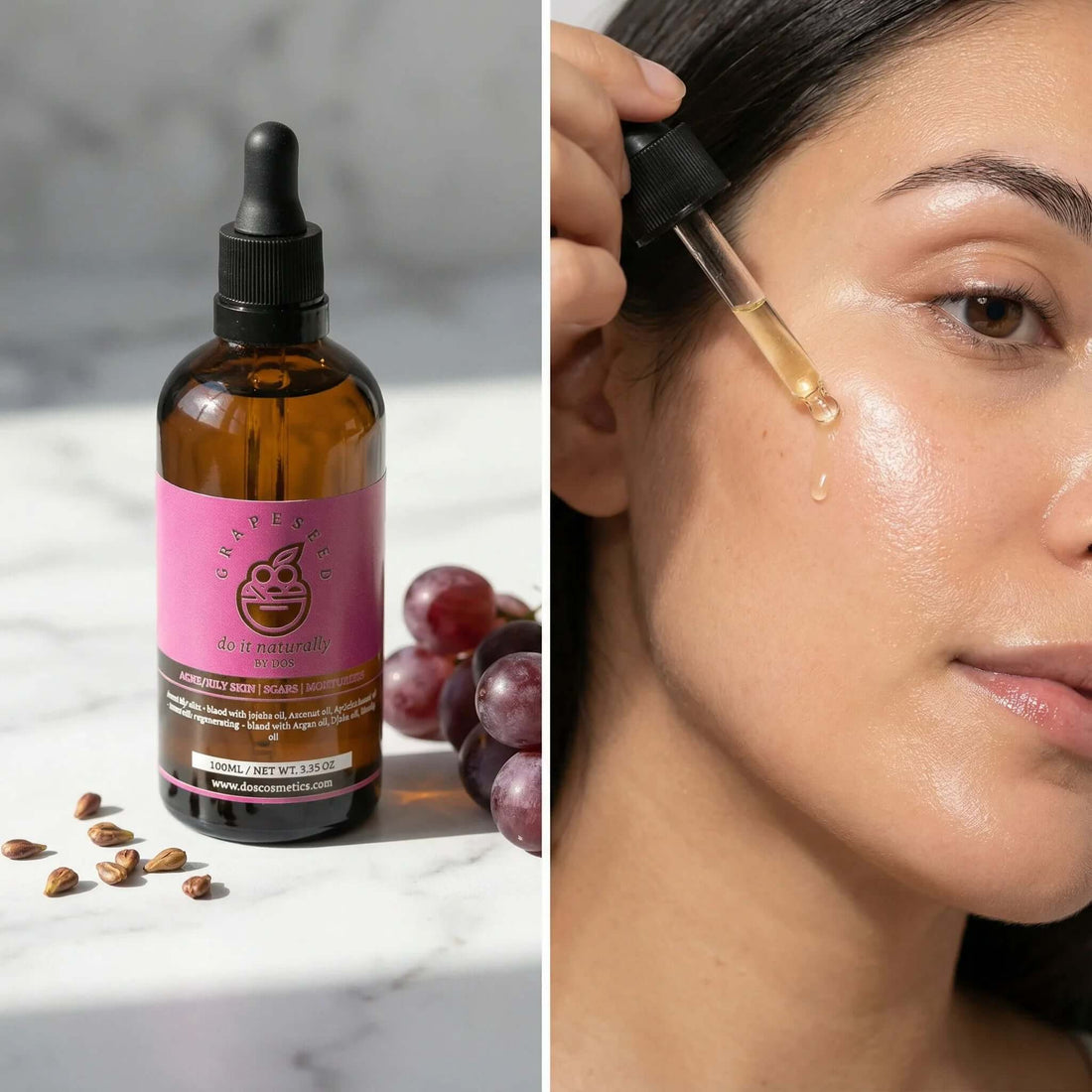 Σταφυλέλαιο Ενυδατικό Έλαιο για Όλους τους Τύπους Επιδερμίδας
- Κανονική τιμή
-
19.00 - Κανονική τιμή
-
- Τιμή πώλησης
-
19.00
-
Έλαιο Καρύδας
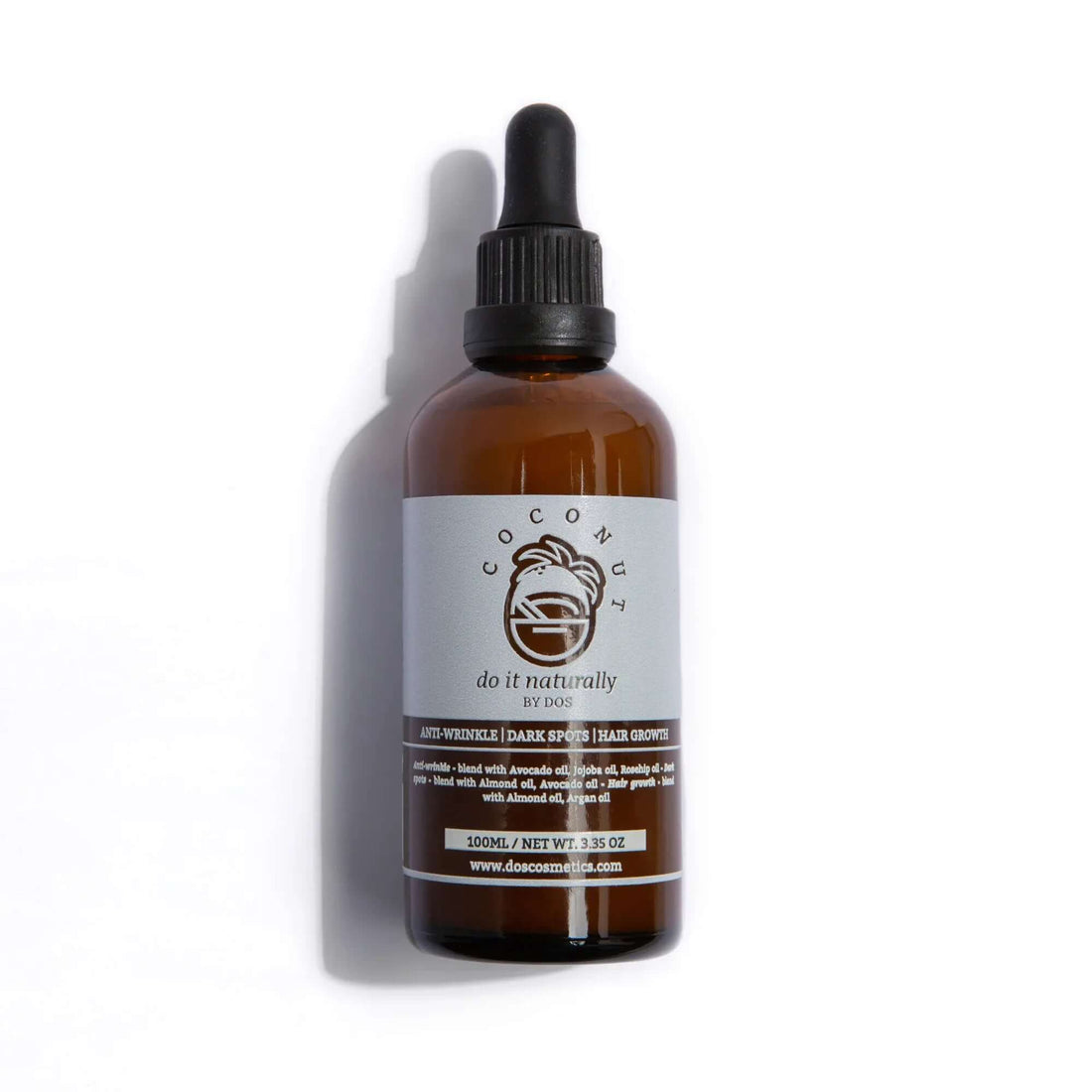
 Έλαιο Καρύδας Ενυδατικό Έλαιο με Αντιοξειδωτικά
- Κανονική τιμή
-
19.00 - Κανονική τιμή
-
- Τιμή πώλησης
-
19.00
-
Έλαιο Αβοκάντο
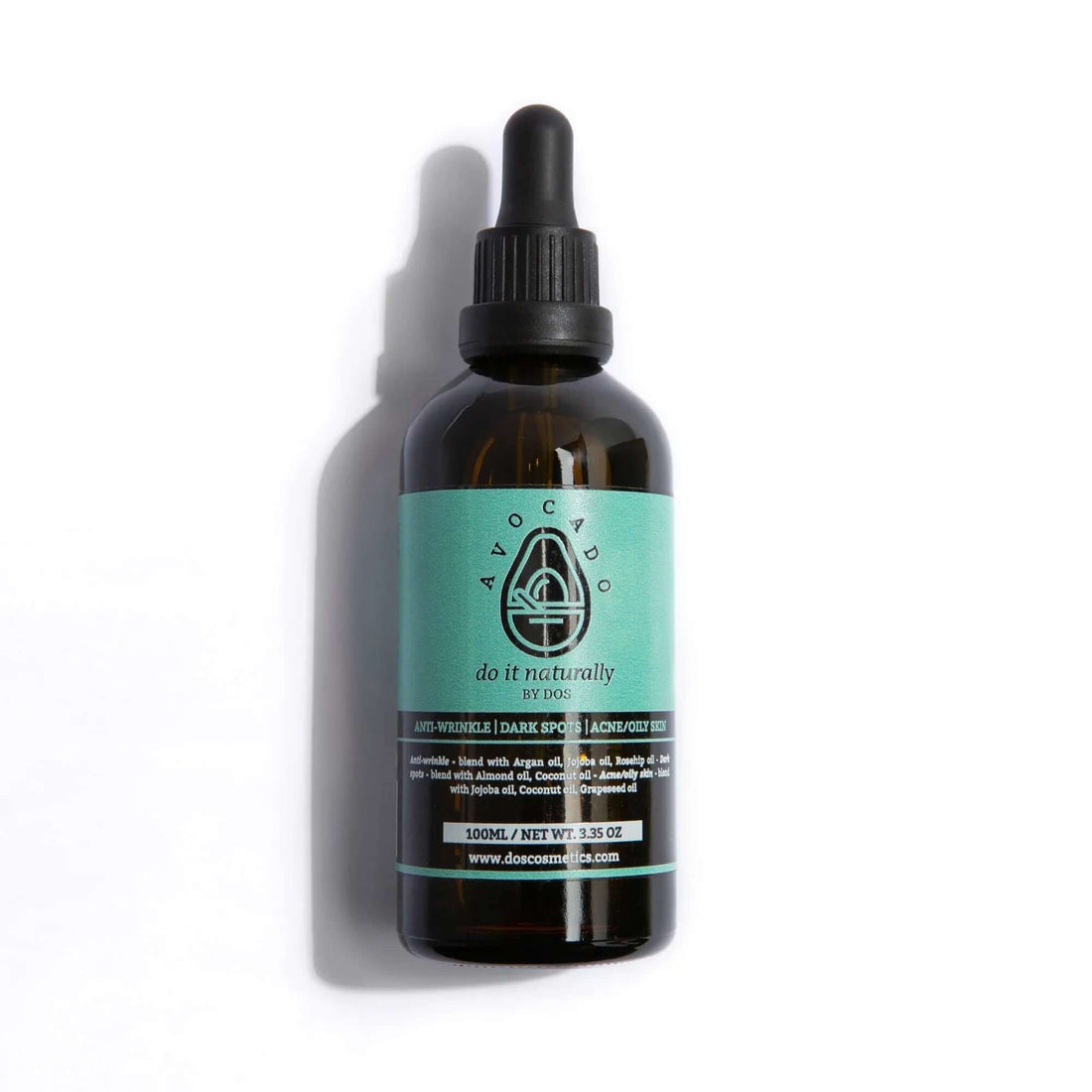
 Έλαιο Αβοκάντο Αναζωογονητικό Έλαιο για Ευαίσθητη Επιδερμίδα
- Κανονική τιμή
-
29.00 - Κανονική τιμή
-
- Τιμή πώλησης
-
29.00
-
Πρωτόκολλο Νυχτερινής Ανανέωσης
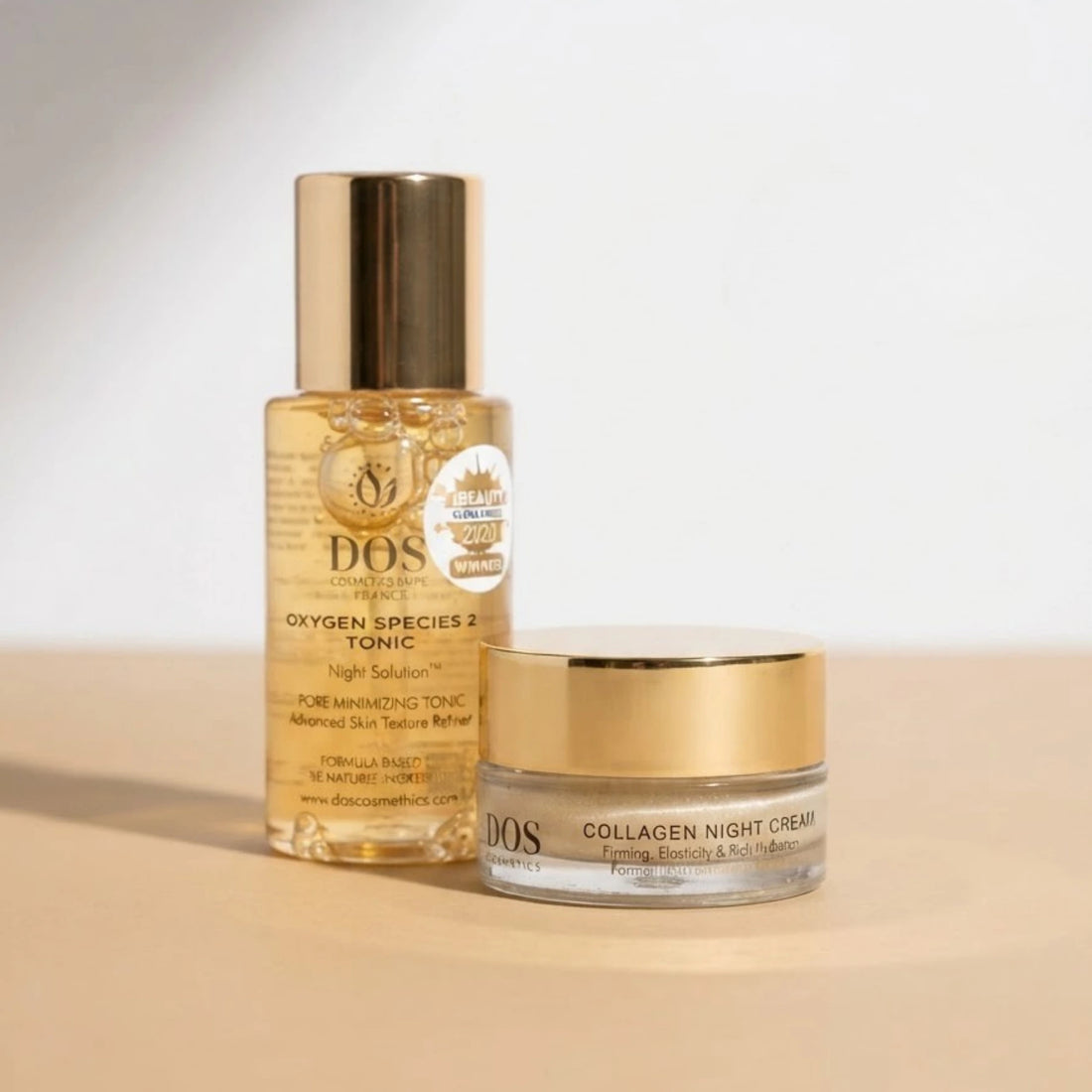
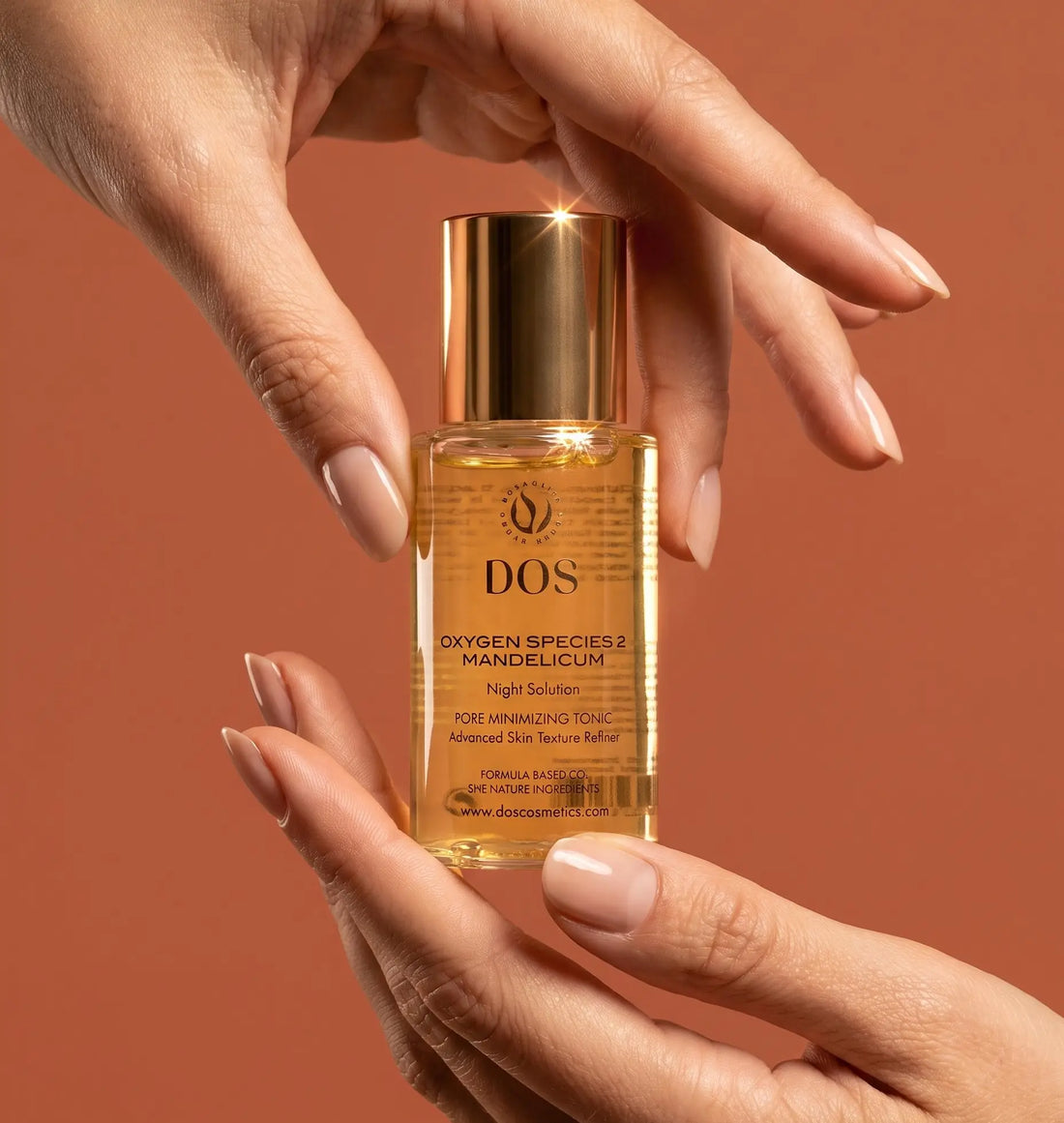 Πρωτόκολλο Νυχτερινής Ανανέωσης Δίδυμο Γνωριμίας Νυχτερινής Ανανέωσης
- Κανονική τιμή
-
61.60 - Κανονική τιμή
-
88.00 - Τιμή πώλησης
-
61.60