

Καροτσάκι
53 προϊόντα
-
Καθαριστικό με Κολλαγόνο

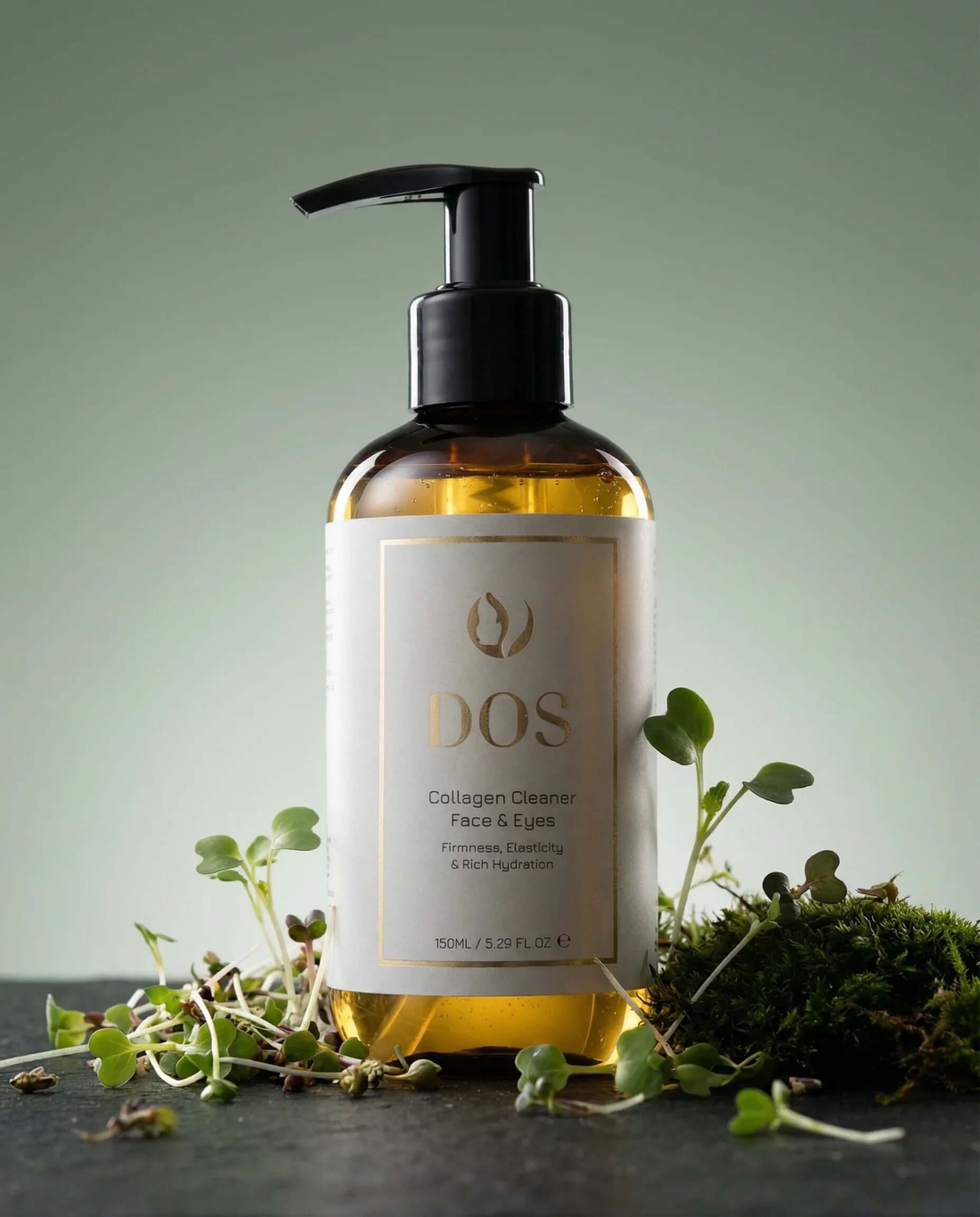 Καθαριστικό με Κολλαγόνο Βραβευμένο Απαλό Καθαριστικό, Κατάλληλο και για τα Μάτια
- Κανονική τιμή
-
19.00 EUR 49.00 EUR - Κανονική τιμή
-
- Τιμή πώλησης
-
19.00 EUR 49.00 EUR
-
Κρέμα Νύχτας με Κολλαγόνο

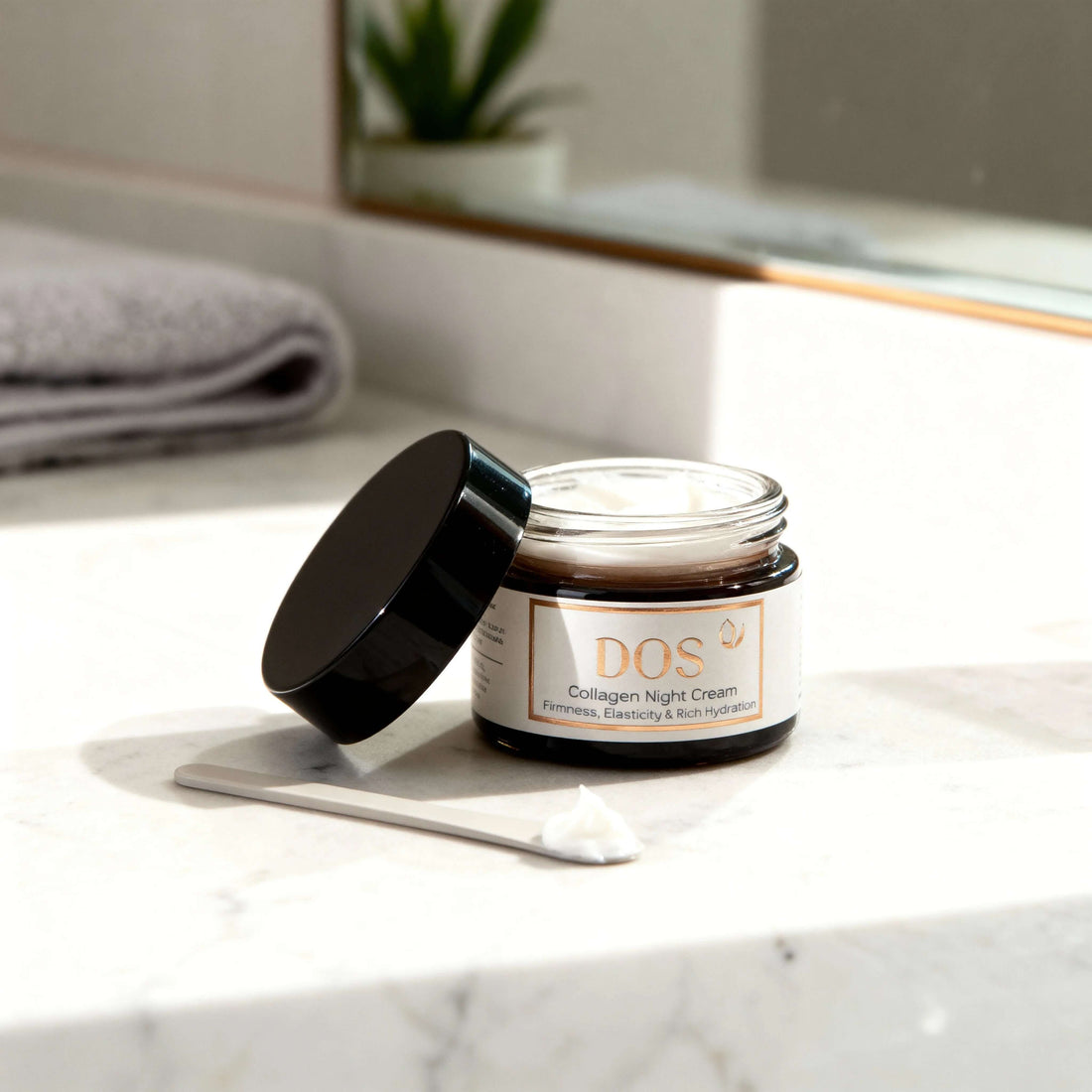 Κρέμα Νύχτας με Κολλαγόνο Βραβευμένη Ανανέωση για Σφριγηλή Επιδερμίδα
- Κανονική τιμή
-
49.00 EUR 119.00 EUR - Κανονική τιμή
-
- Τιμή πώλησης
-
49.00 EUR 119.00 EUR
-
Αντηλιακός Ορός SPF50+
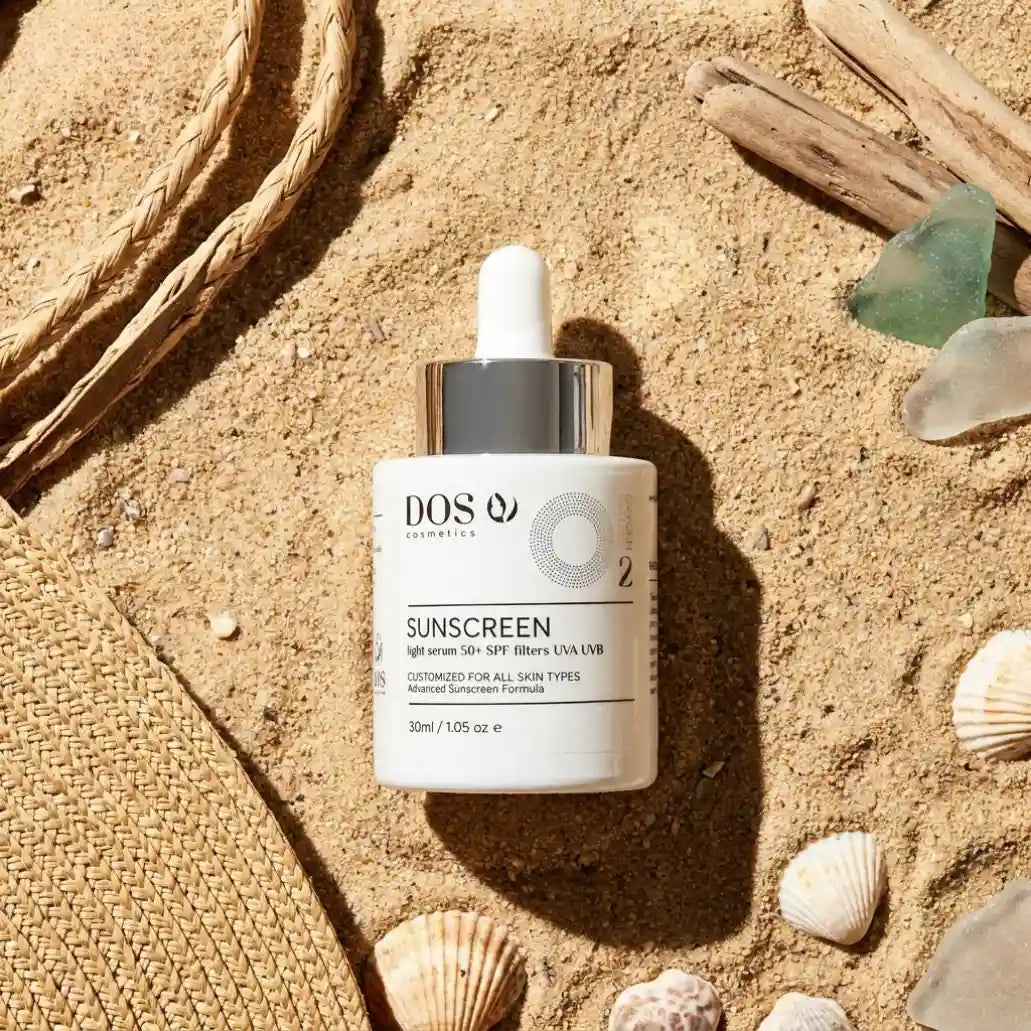
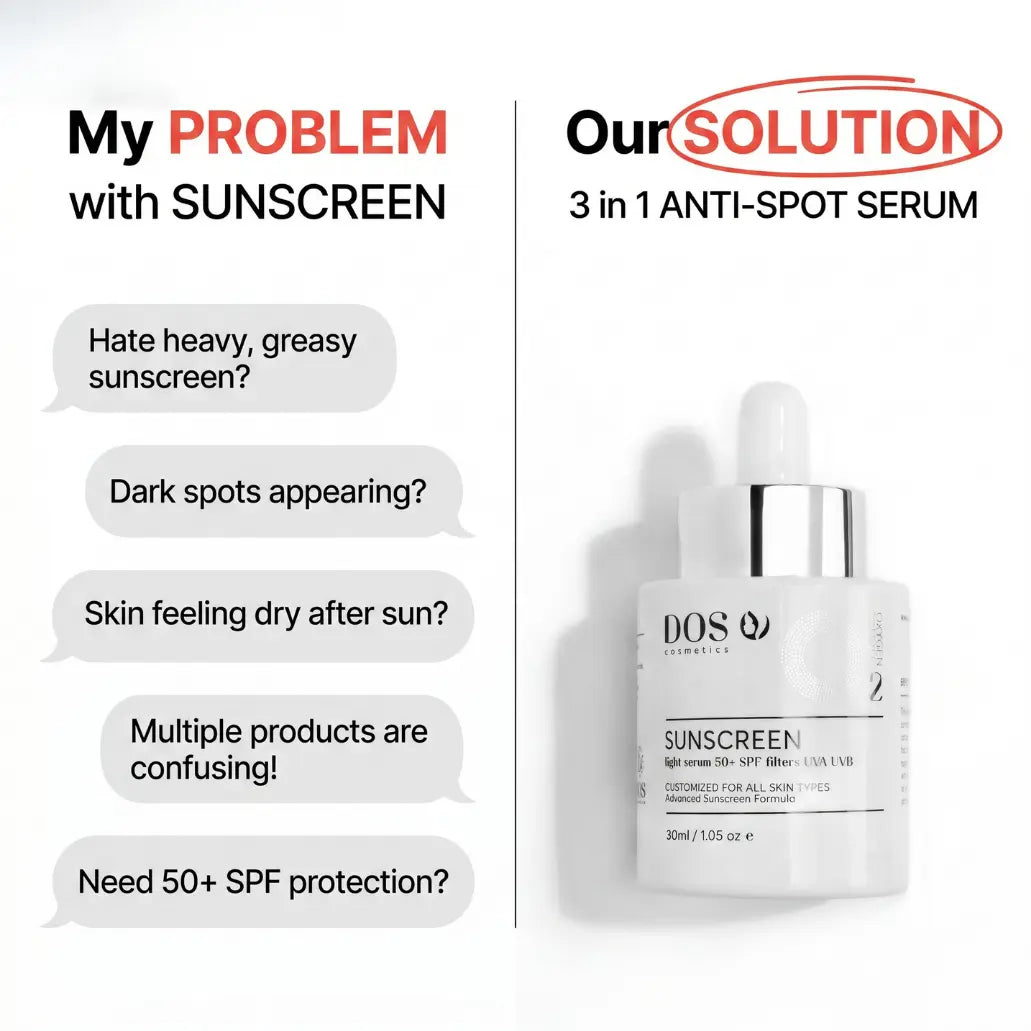 Αντηλιακός Ορός SPF50+ Αντιοξειδωτική Άμυνα UVA/UVB κατά των Σκούρων Κηλίδων
- Κανονική τιμή
-
79.00 EUR - Κανονική τιμή
-
- Τιμή πώλησης
-
79.00 EUR
-
Ορός Ημέρας HIBIO

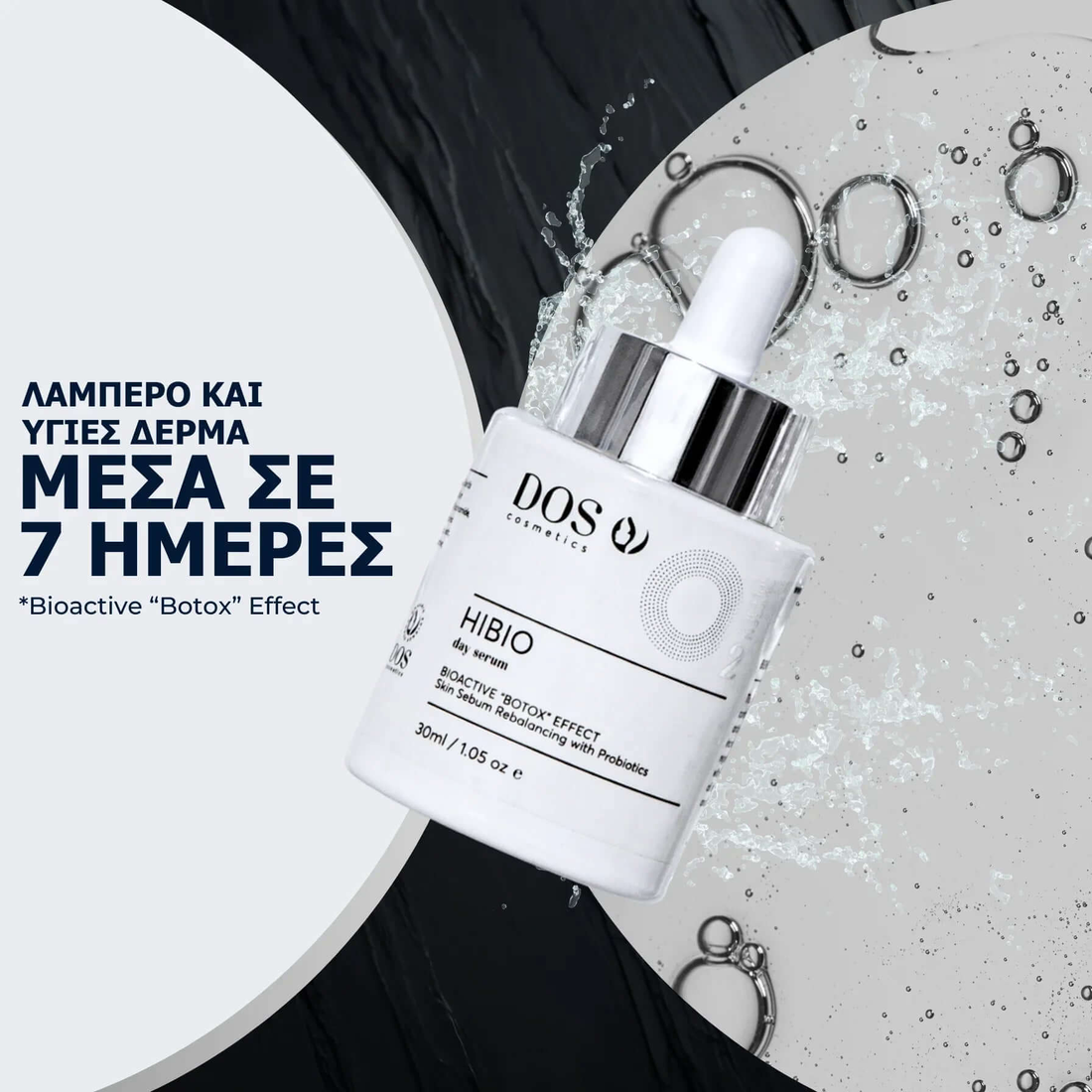 Ορός Ημέρας HIBIO Ισορροπία με Προβιοτικά & Ιβίσκο για Βαθιά Ενυδάτωση
- Κανονική τιμή
-
79.00 EUR - Κανονική τιμή
-
- Τιμή πώλησης
-
79.00 EUR
-
Νυχτερινό Διάλυμα Mandelicum
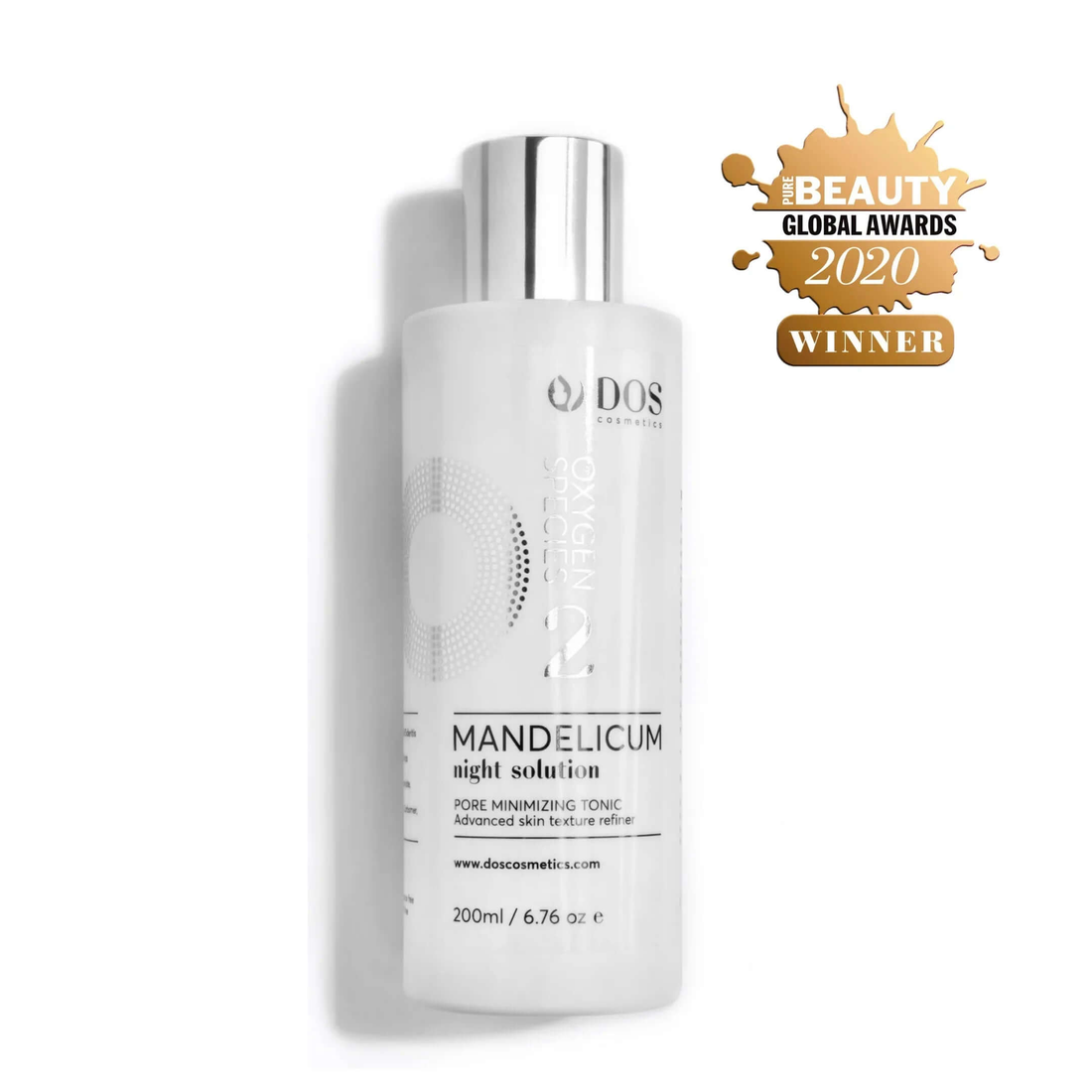
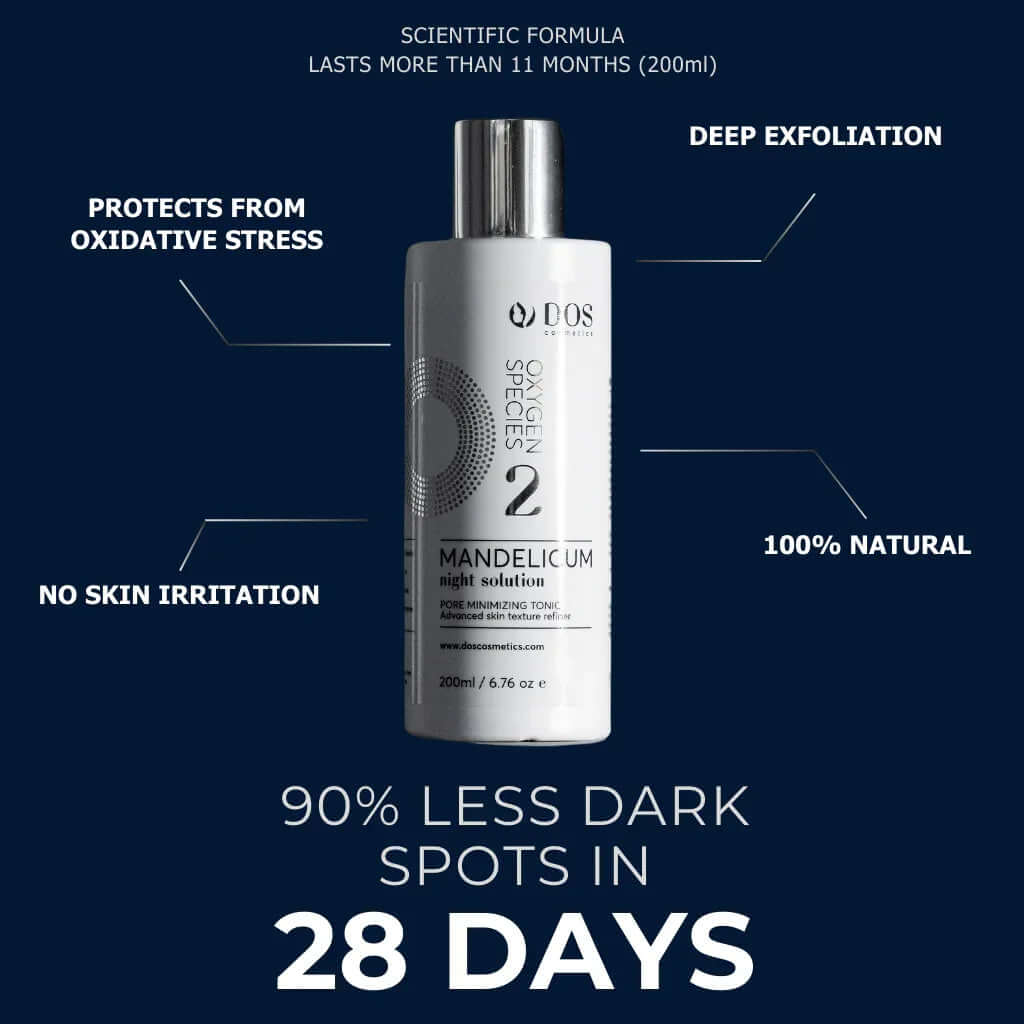 Νυχτερινό Διάλυμα Mandelicum Βραβευμένη Νυχτερινή Φροντίδα με Μανδελικό Οξύ
- Κανονική τιμή
-
39.00 EUR 112.00 EUR - Κανονική τιμή
-
- Τιμή πώλησης
-
39.00 EUR 112.00 EUR
-
Κρέμα Ημέρας με Υαλουρονικό
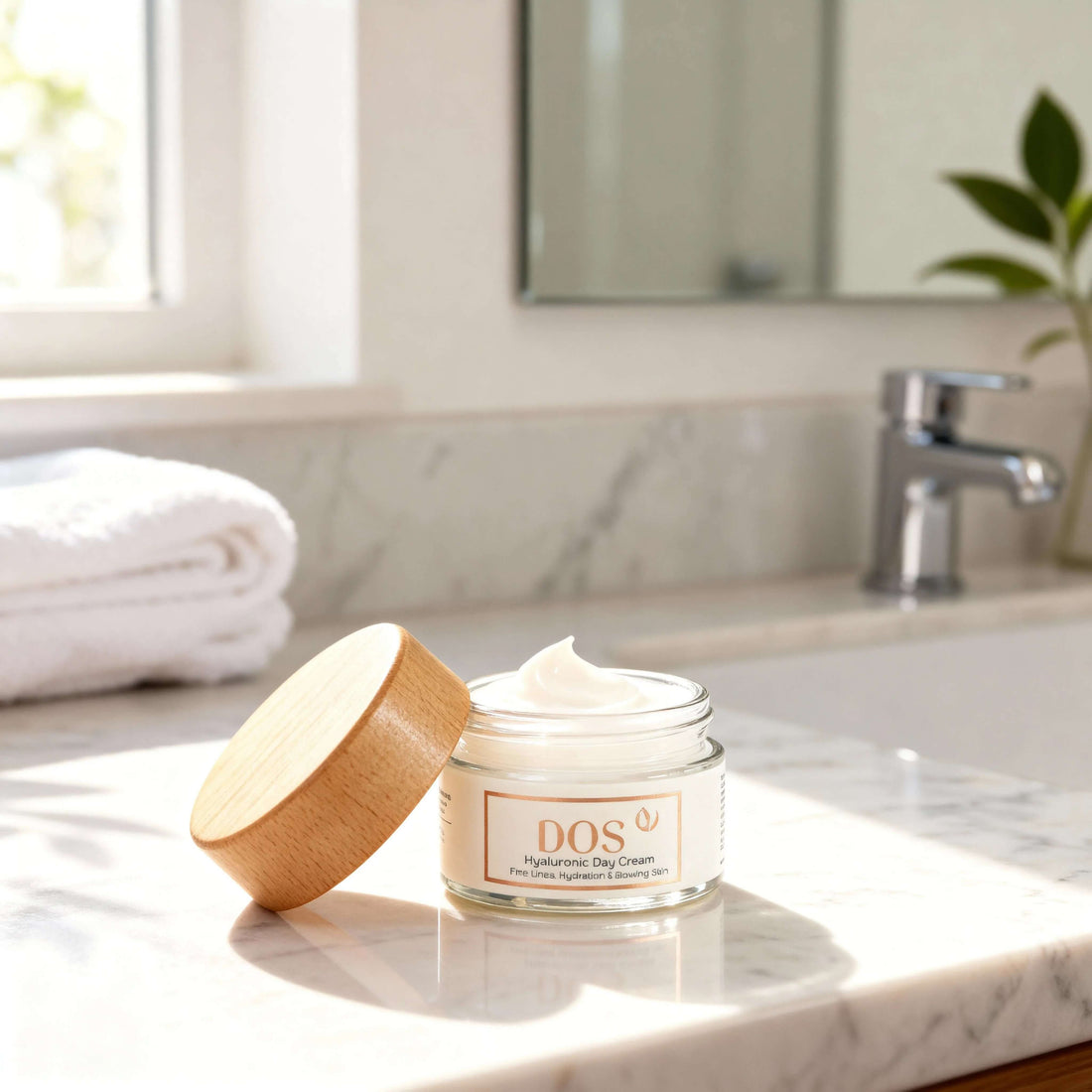
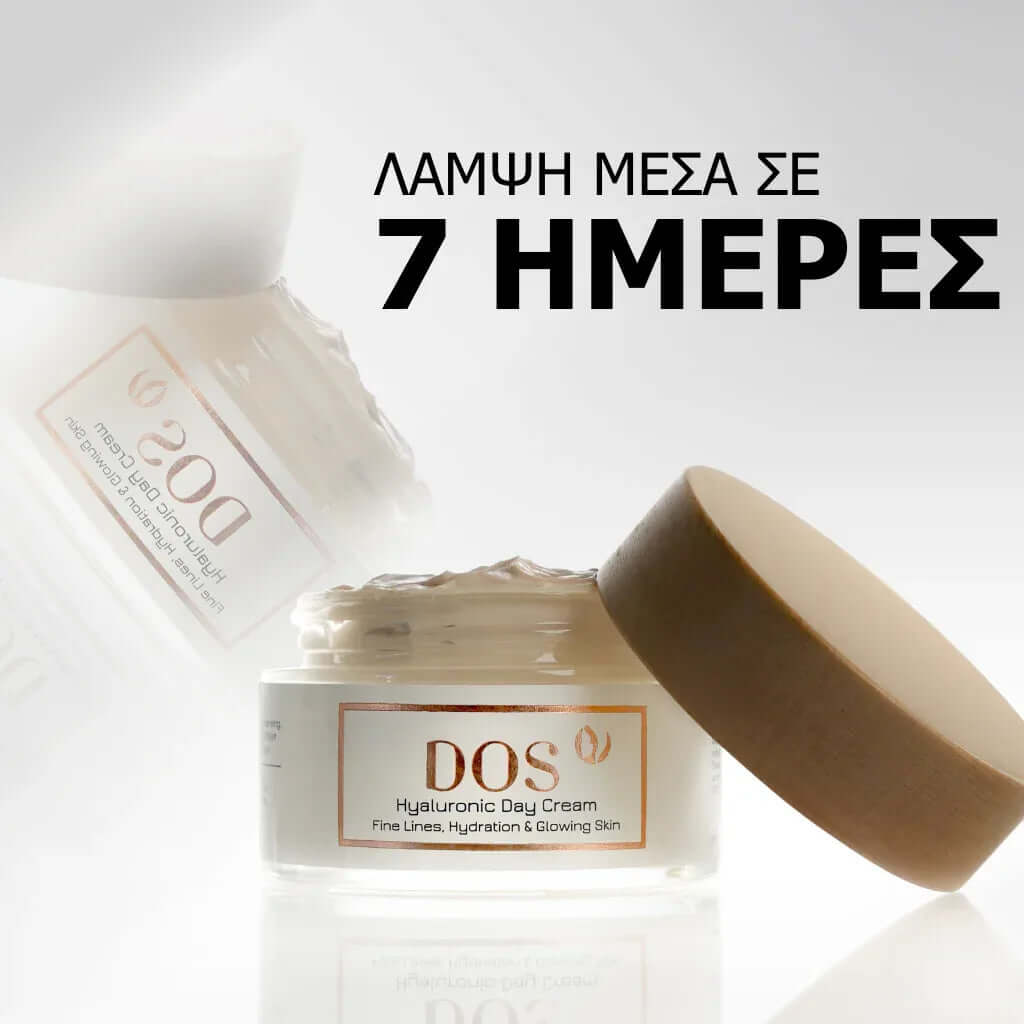 Κρέμα Ημέρας με Υαλουρονικό Με Πεπτίδια, Έλαιο Μαστίχας & Ελληνικά Φυτικά Εκχυλίσματα
- Κανονική τιμή
-
39.00 EUR 89.00 EUR - Κανονική τιμή
-
- Τιμή πώλησης
-
39.00 EUR 89.00 EUR
-
Κρέμα Νύχτας με Υαλουρονικό
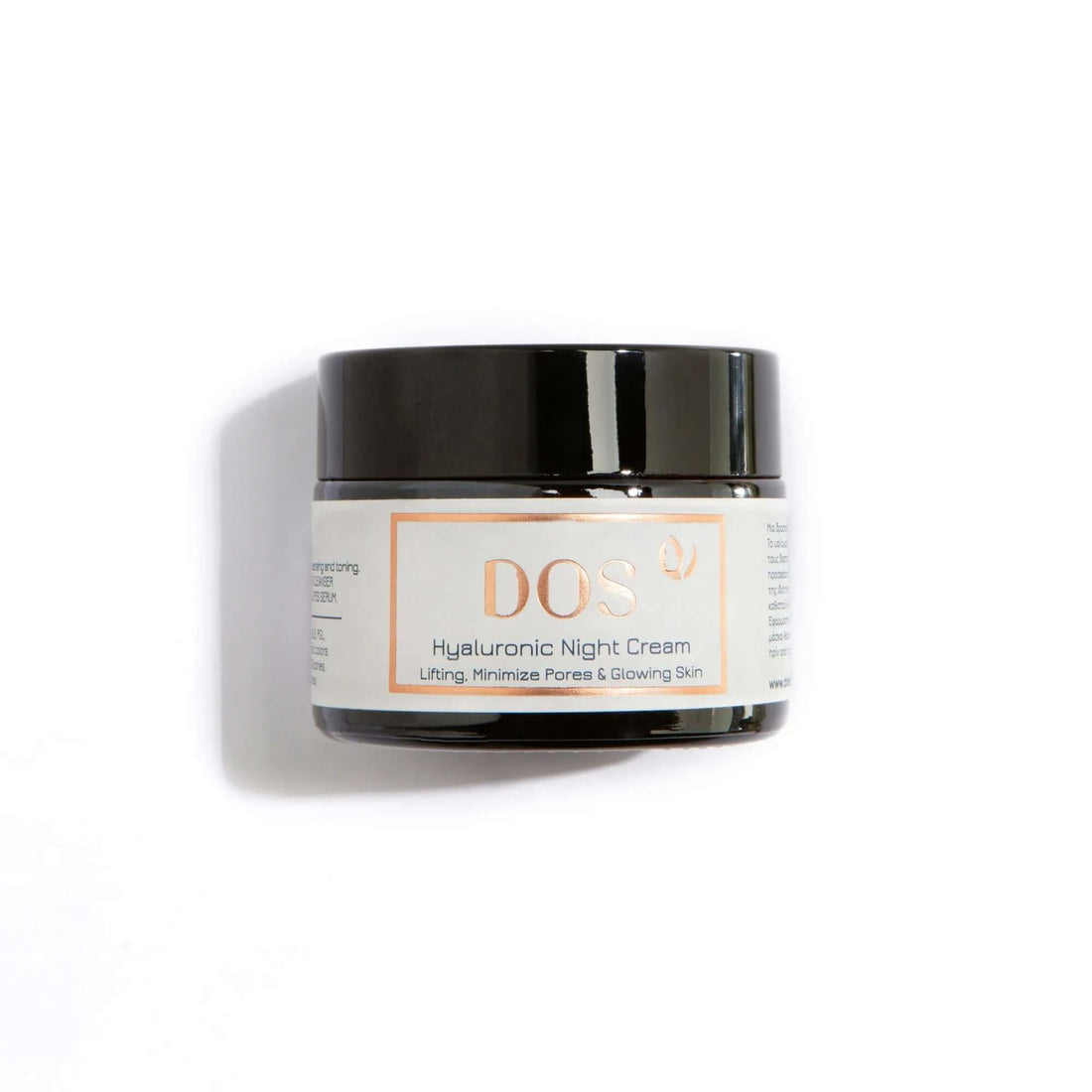
 Κρέμα Νύχτας με Υαλουρονικό Αντιοξειδωτική Ανόρθωση & Νυχτερινή Ανανέωση
- Κανονική τιμή
-
39.00 EUR 109.00 EUR - Κανονική τιμή
-
- Τιμή πώλησης
-
39.00 EUR 109.00 EUR
-
Λάδι Μαυρίσματος
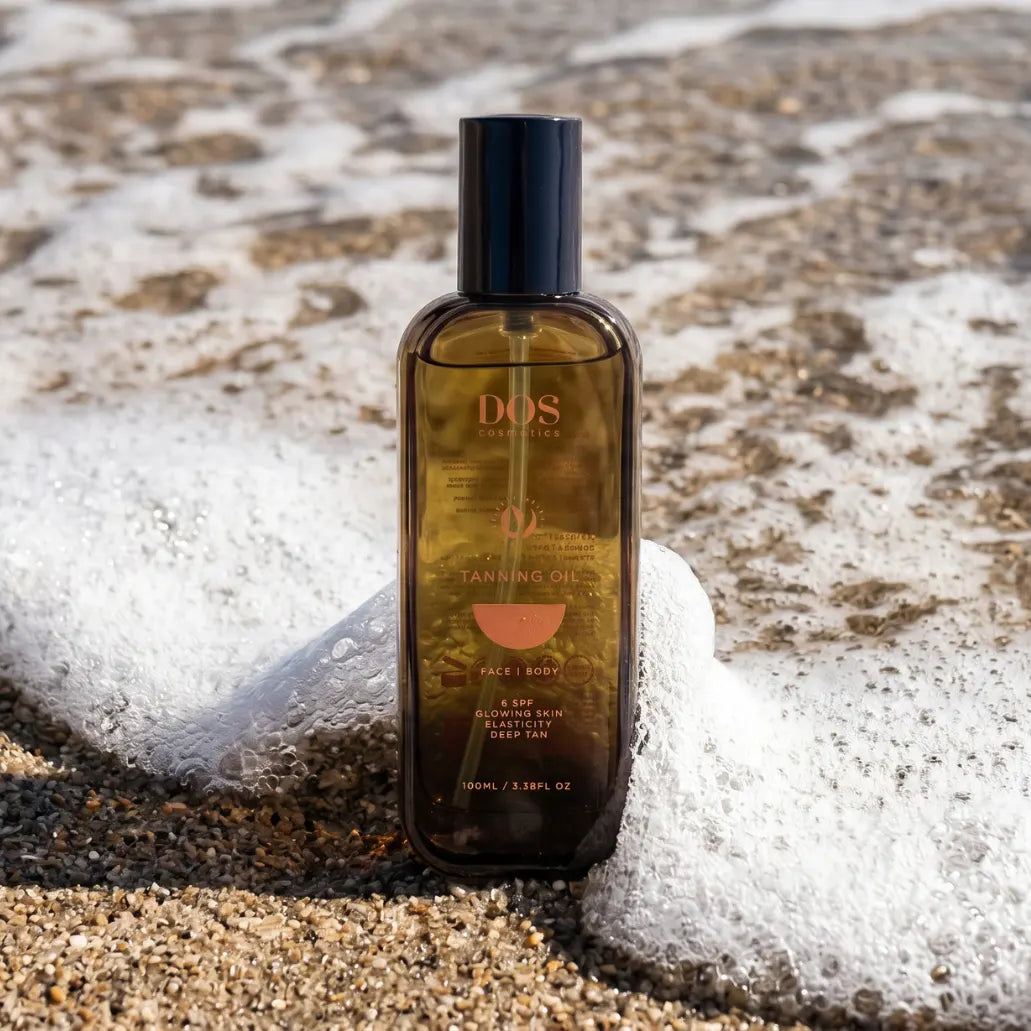
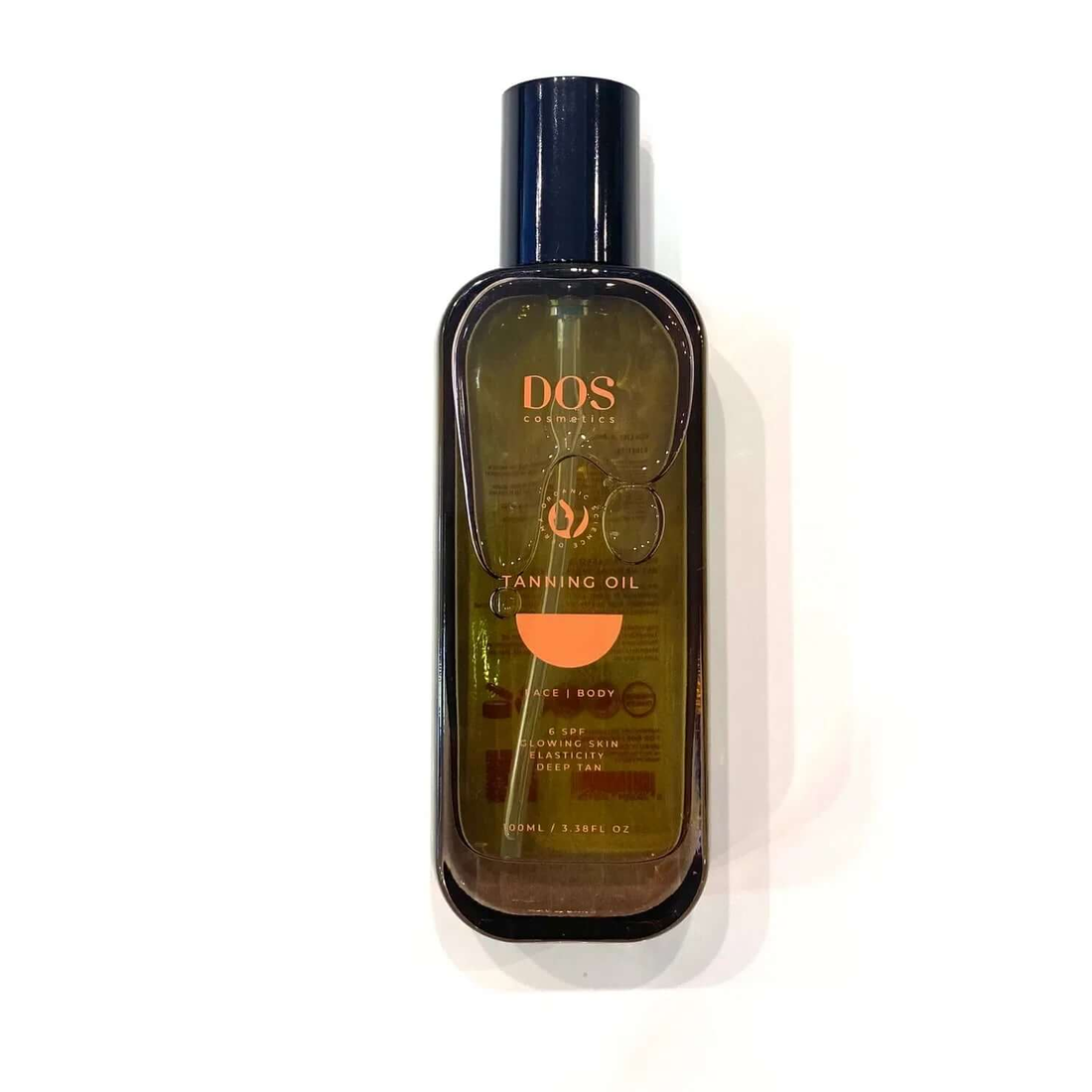 Λάδι Μαυρίσματος 100% Φυσικό Έλαιο Προσώπου & Σώματος, 100ml
- Κανονική τιμή
-
29.00 EUR - Κανονική τιμή
-
- Τιμή πώλησης
-
29.00 EUR
-
Κρέμα Ματιών με Υαλουρονικό
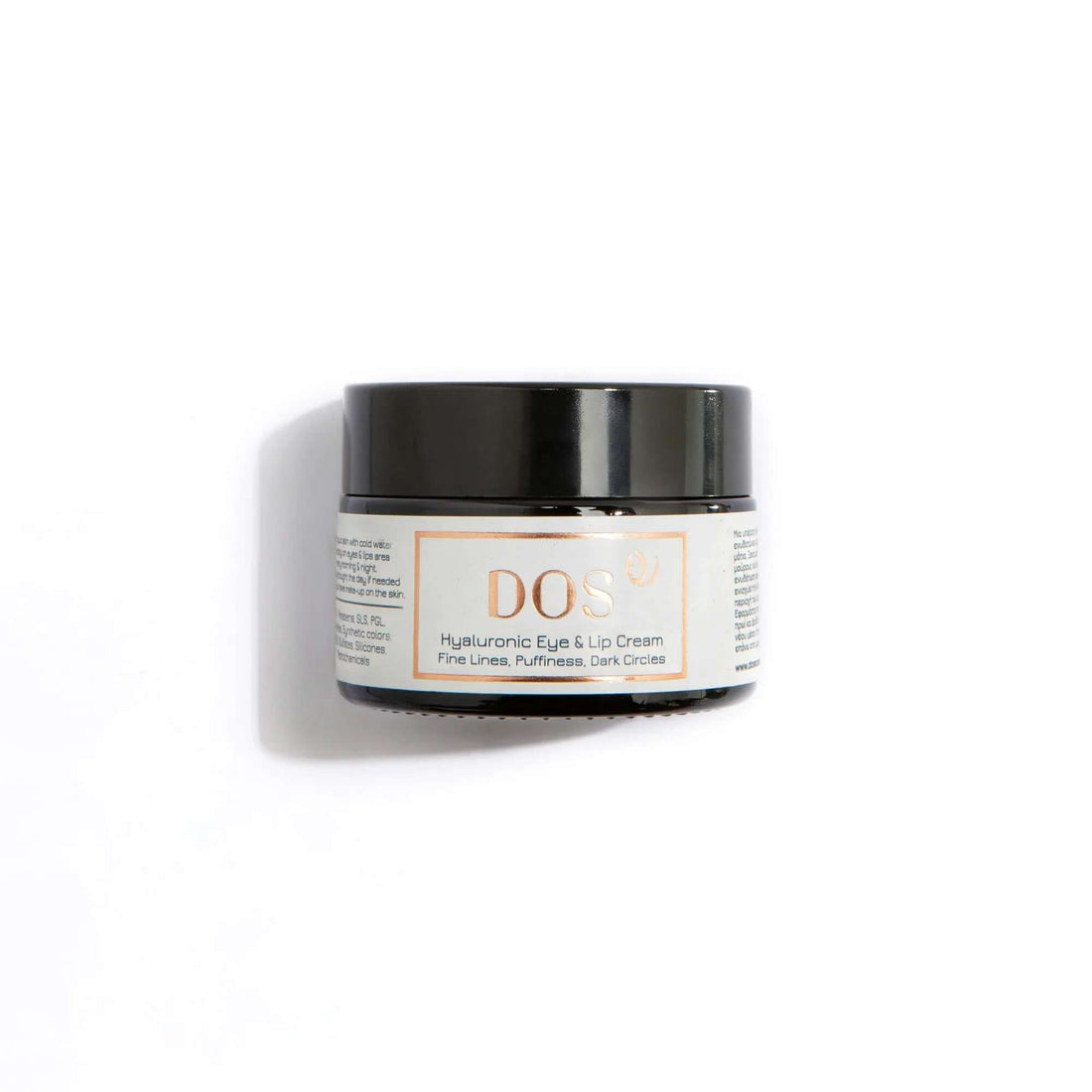
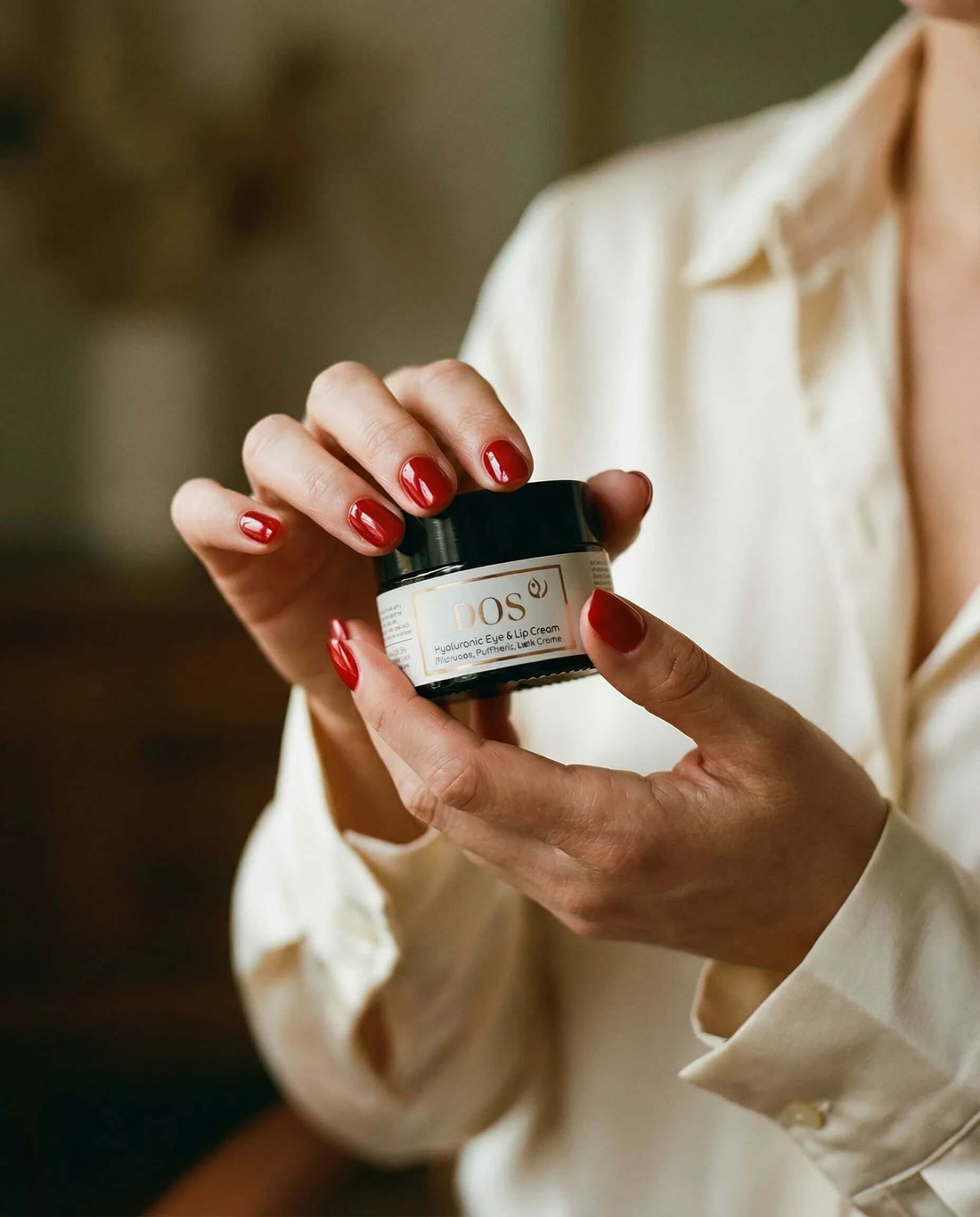 Κρέμα Ματιών με Υαλουρονικό Βαθιά Ενυδάτωση για Μάτια & Χείλη
- Κανονική τιμή
-
69.00 EUR - Κανονική τιμή
-
- Τιμή πώλησης
-
69.00 EUR
-
Φυσικό Λάδι Λάμψης
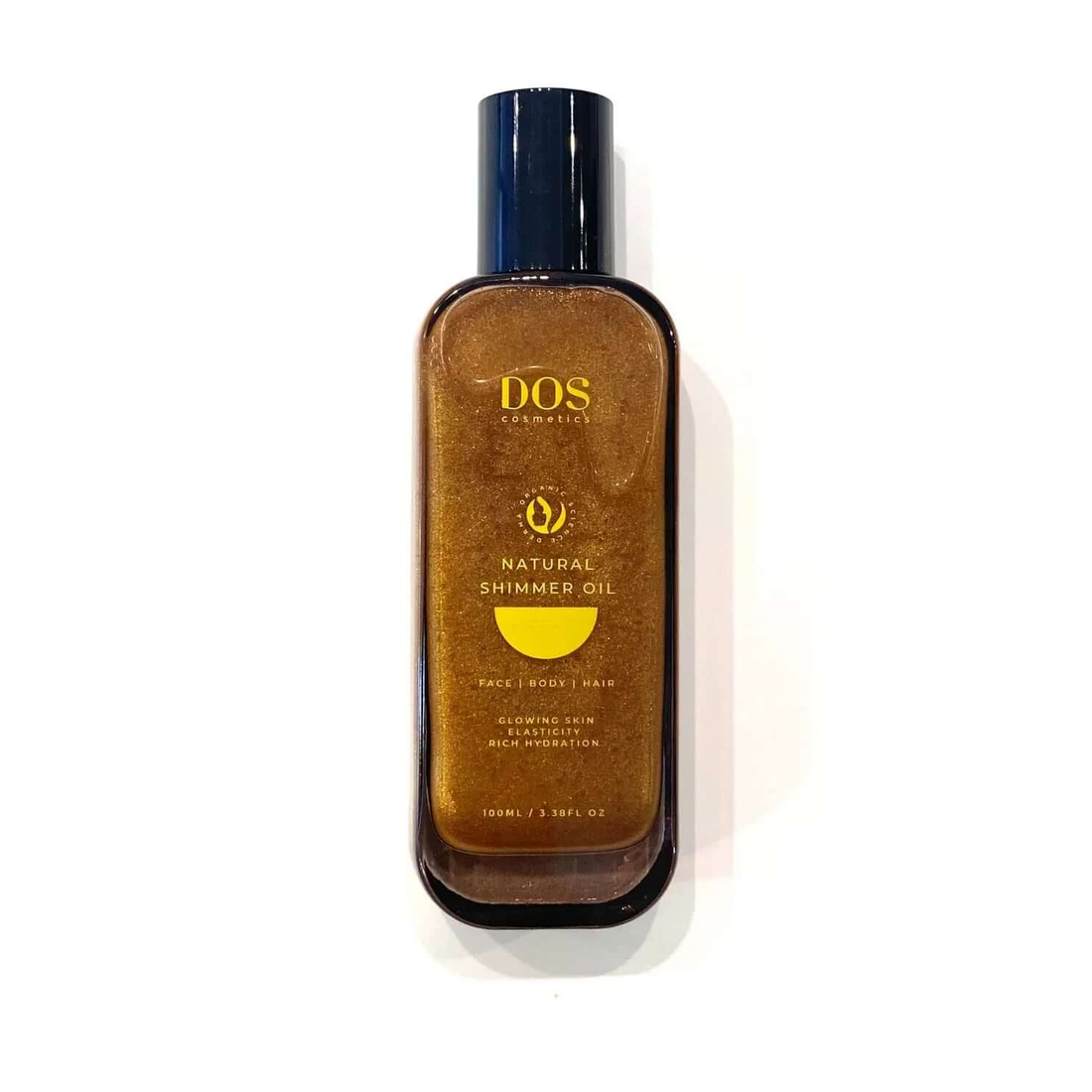 Φυσικό Λάδι Λάμψης Ηλιοφίλητη Λάμψη με Φυσικό Ιριδισμό
- Κανονική τιμή
-
39.00 EUR - Κανονική τιμή
-
- Τιμή πώλησης
-
39.00 EUR
-
Έλαιο Αργκάν
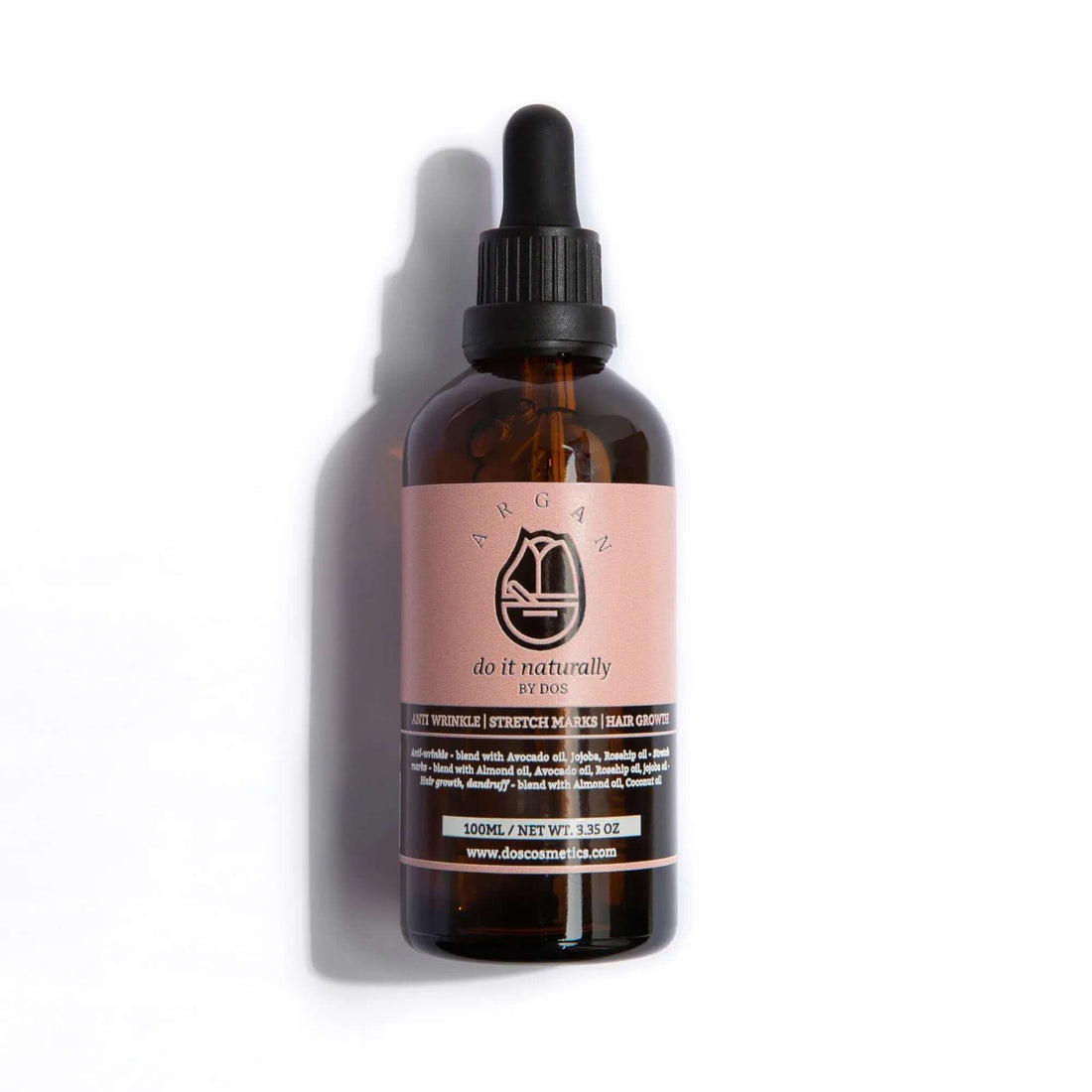
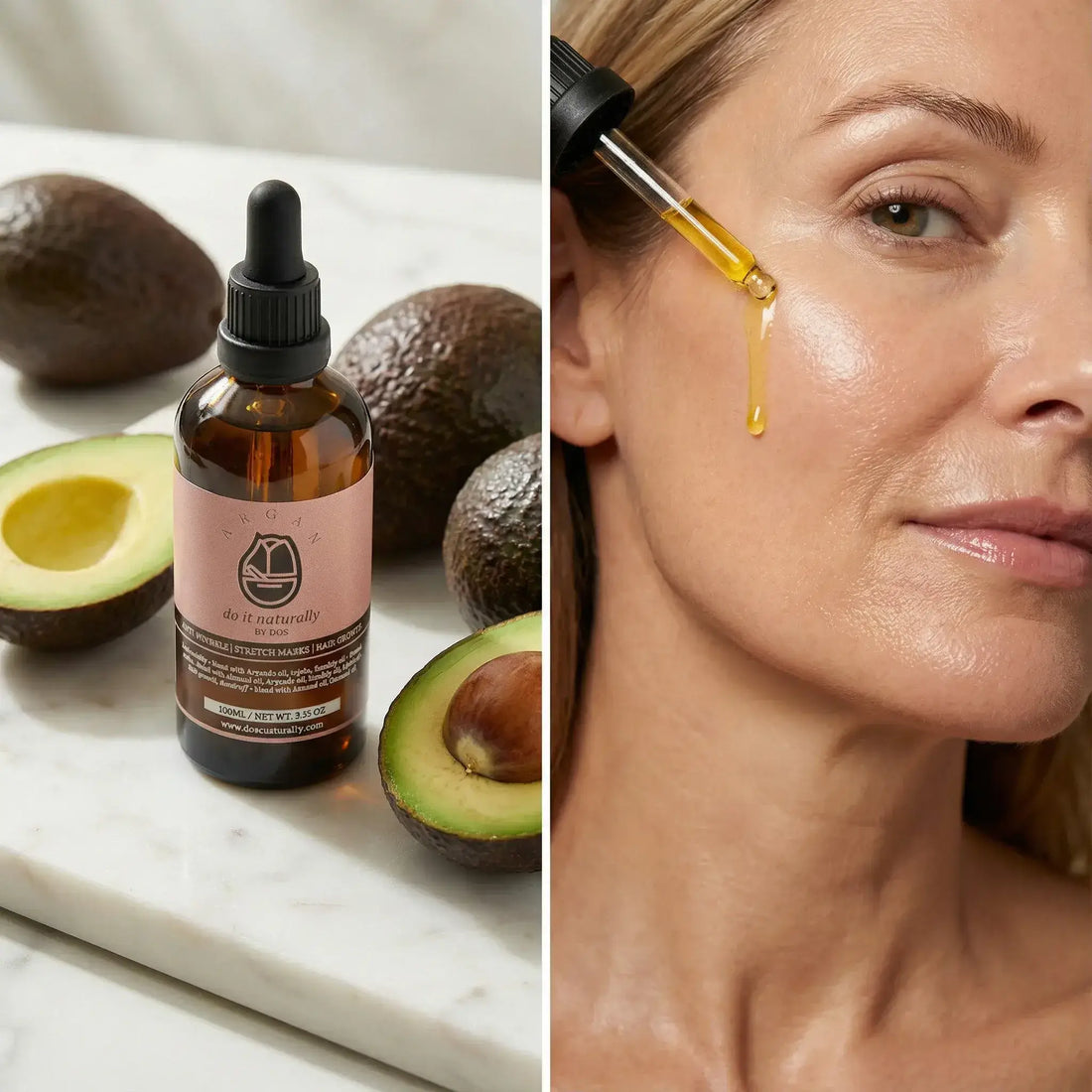 Έλαιο Αργκάν Αντιοξειδωτικό Έλαιο για Νεανική Επιδερμίδα
- Κανονική τιμή
-
39.00 EUR - Κανονική τιμή
-
- Τιμή πώλησης
-
39.00 EUR
-
Λιπ Γκλος Όγκου με Κολλαγόνο
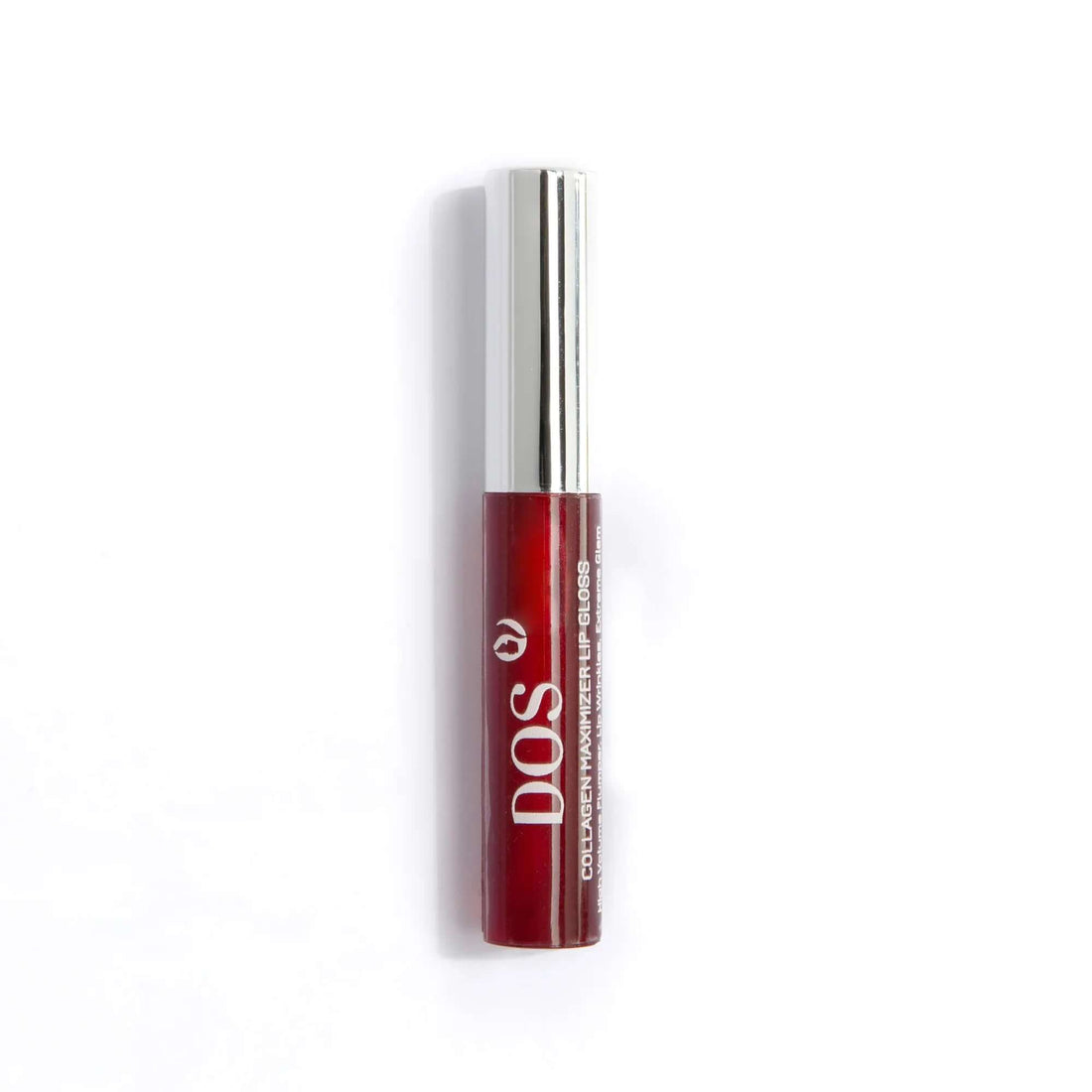
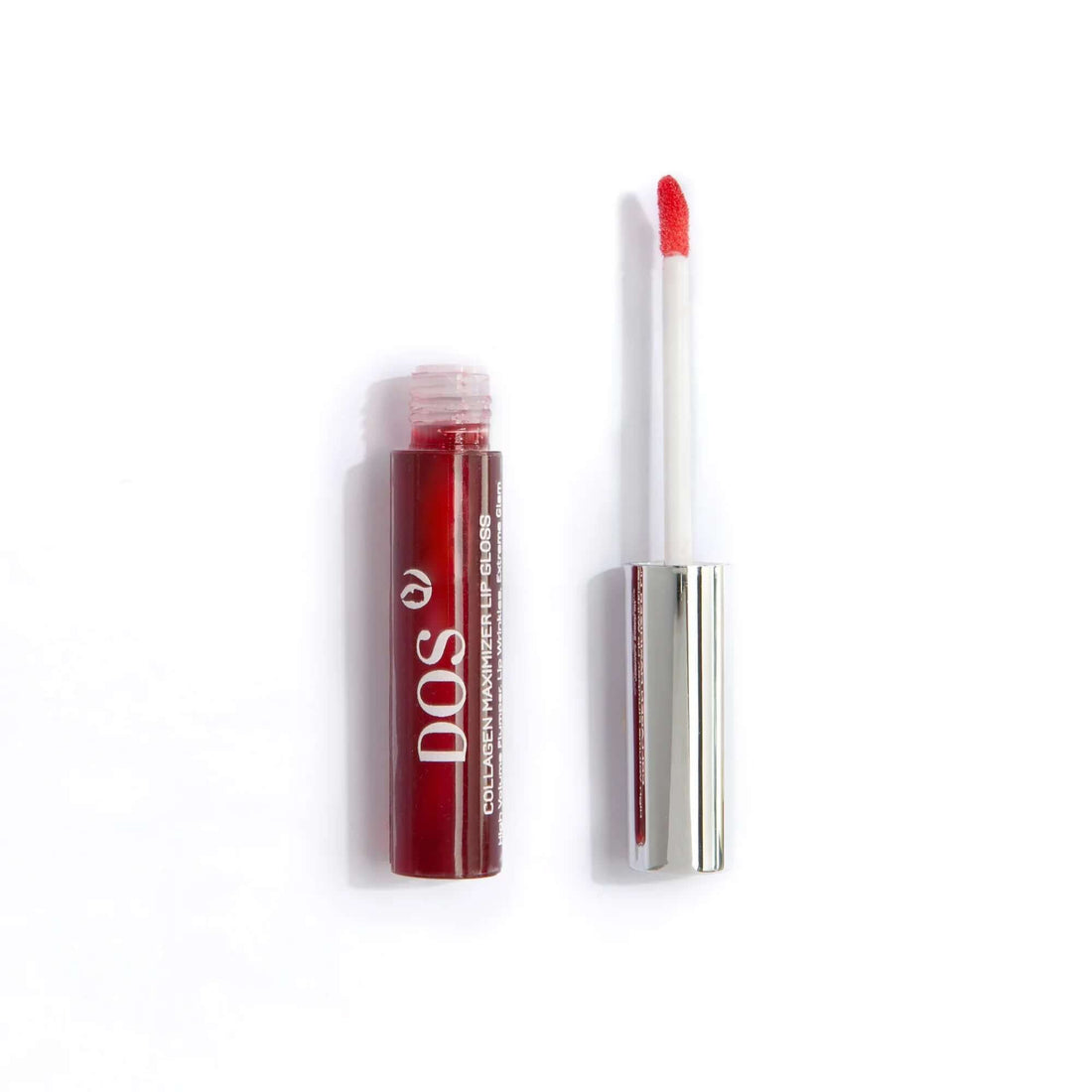 Λιπ Γκλος Όγκου με Κολλαγόνο Φροντίδα Χειλιών για Όγκο & Ενυδάτωση
- Κανονική τιμή
-
32.00 EUR - Κανονική τιμή
-
- Τιμή πώλησης
-
32.00 EUR
-
Σετ Ομορφιάς με Κολλαγόνο
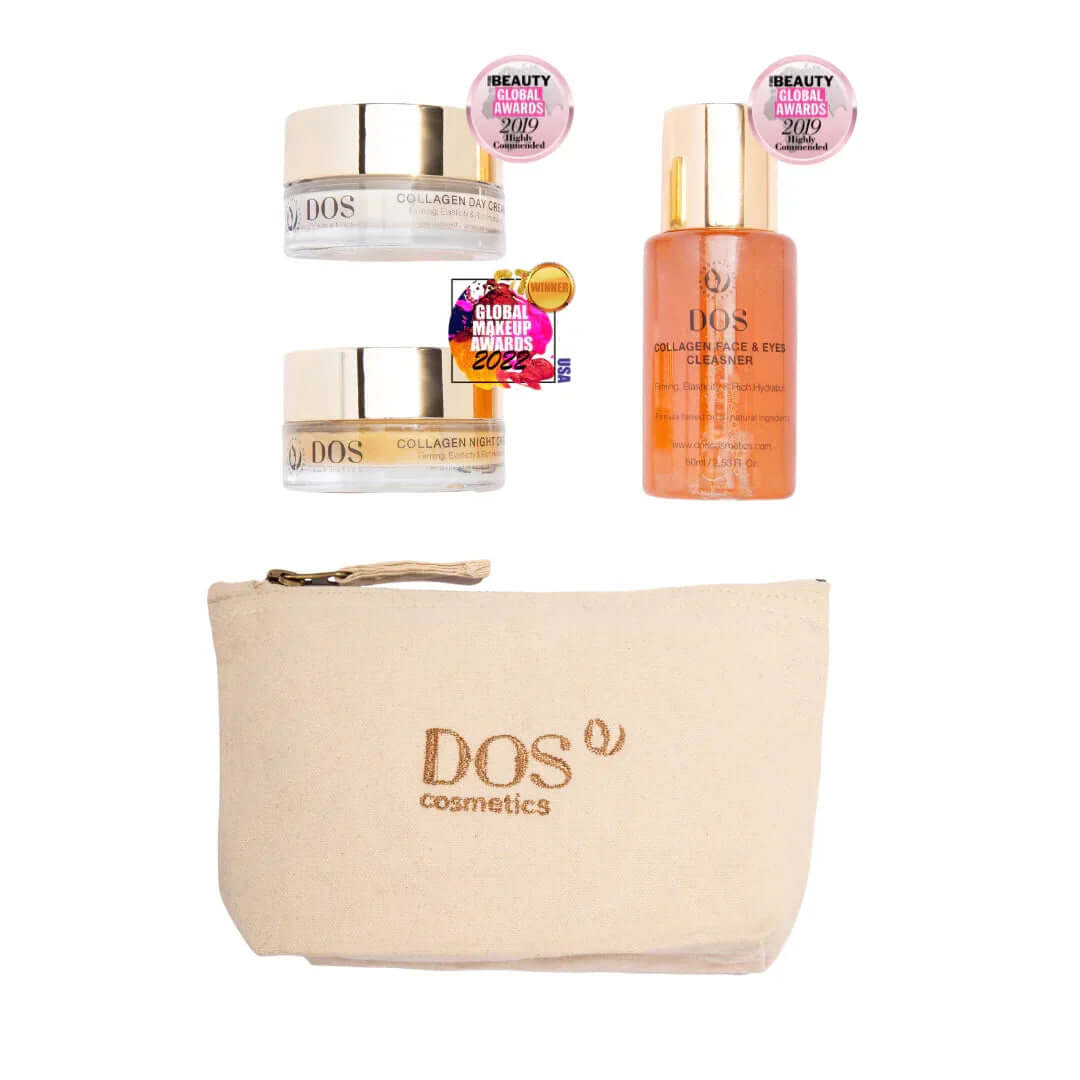
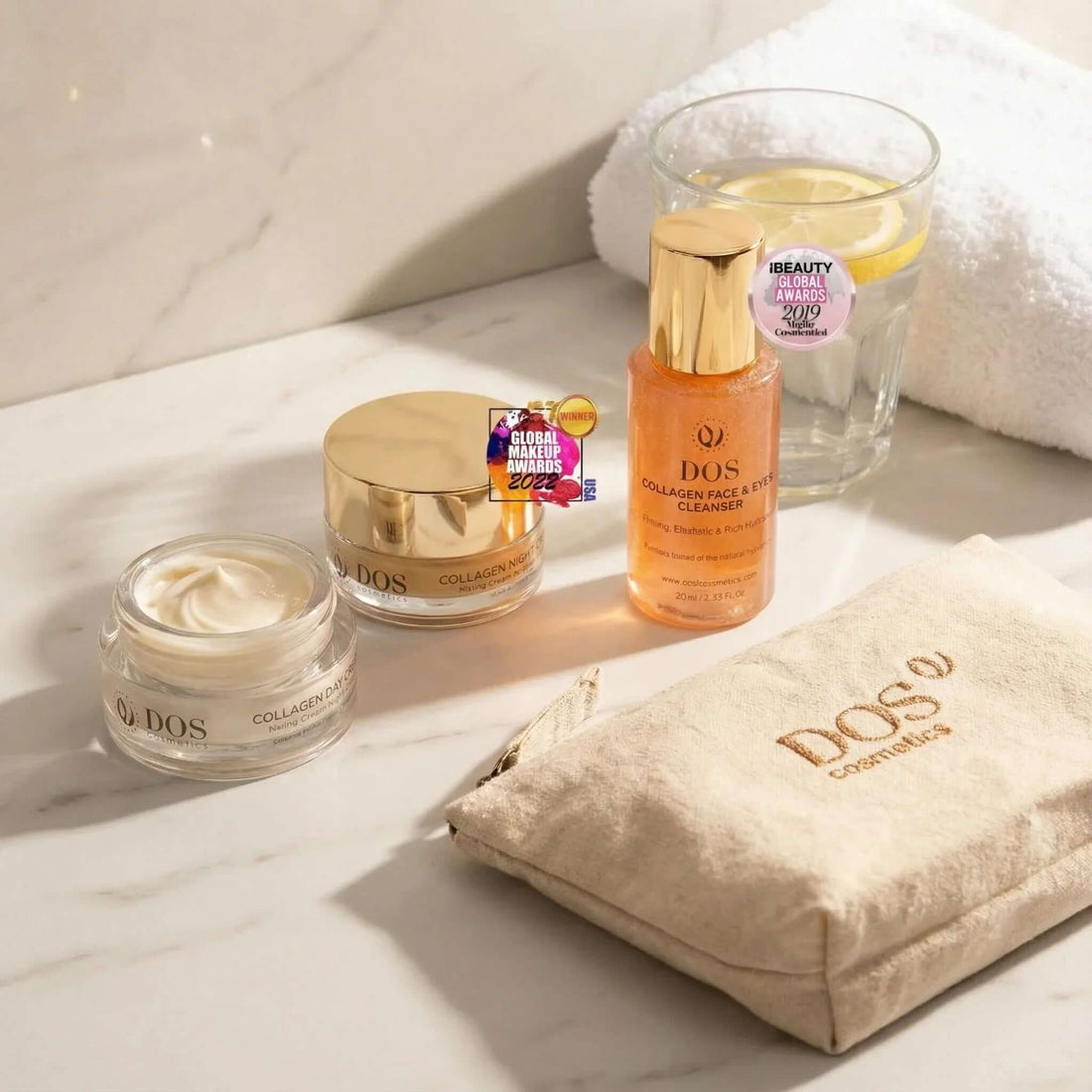 Σετ Ομορφιάς με Κολλαγόνο Σύσφιξη & Θρέψη
- Κανονική τιμή
-
99.00 EUR - Κανονική τιμή
-
- Τιμή πώλησης
-
99.00 EUR
-
Σετ Ομορφιάς με Υαλουρονικό
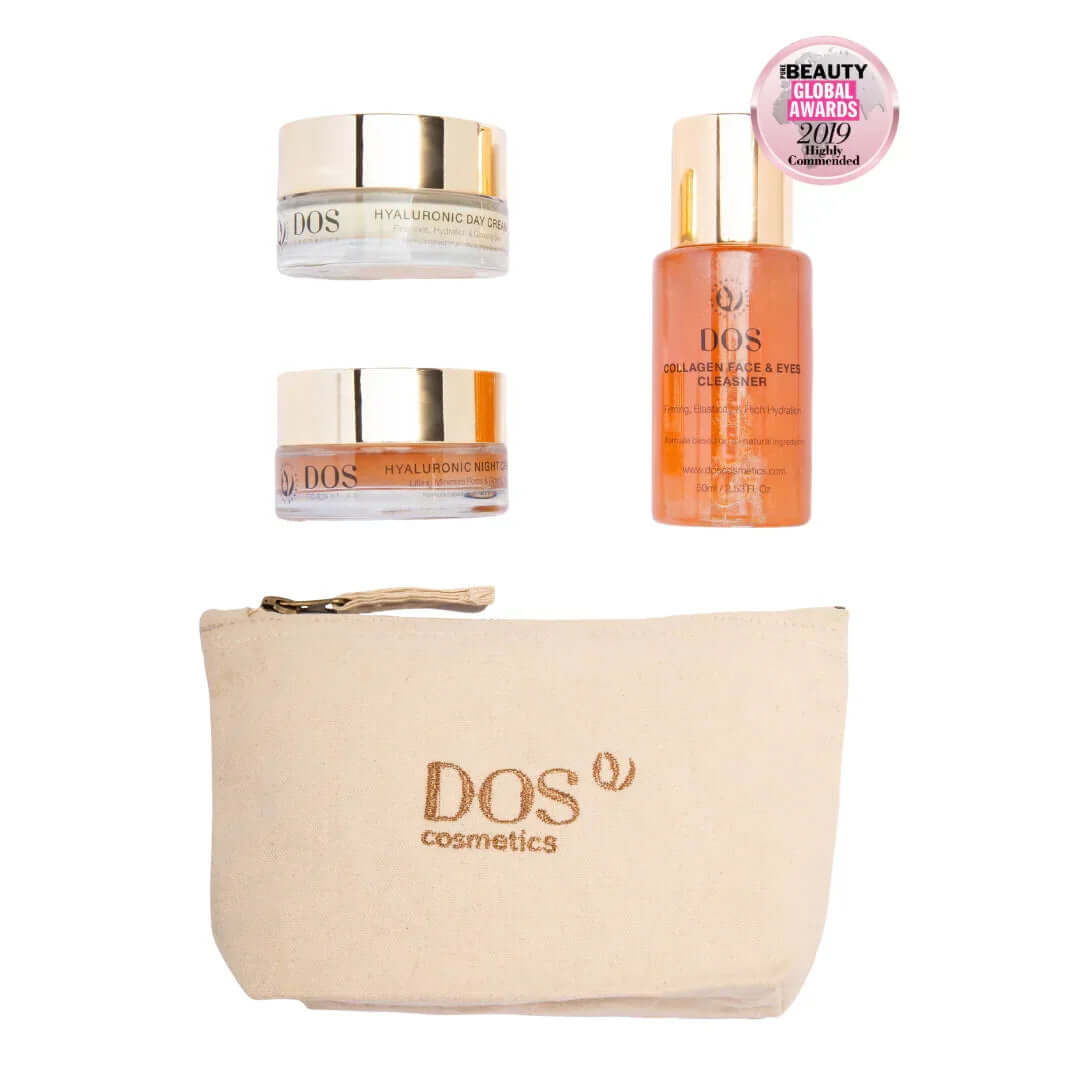
 Σετ Ομορφιάς με Υαλουρονικό Ενυδάτωση & Λάμψη
- Κανονική τιμή
-
89.00 EUR - Κανονική τιμή
-
- Τιμή πώλησης
-
89.00 EUR
-
Σετ Ομορφιάς Επανόρθωσης
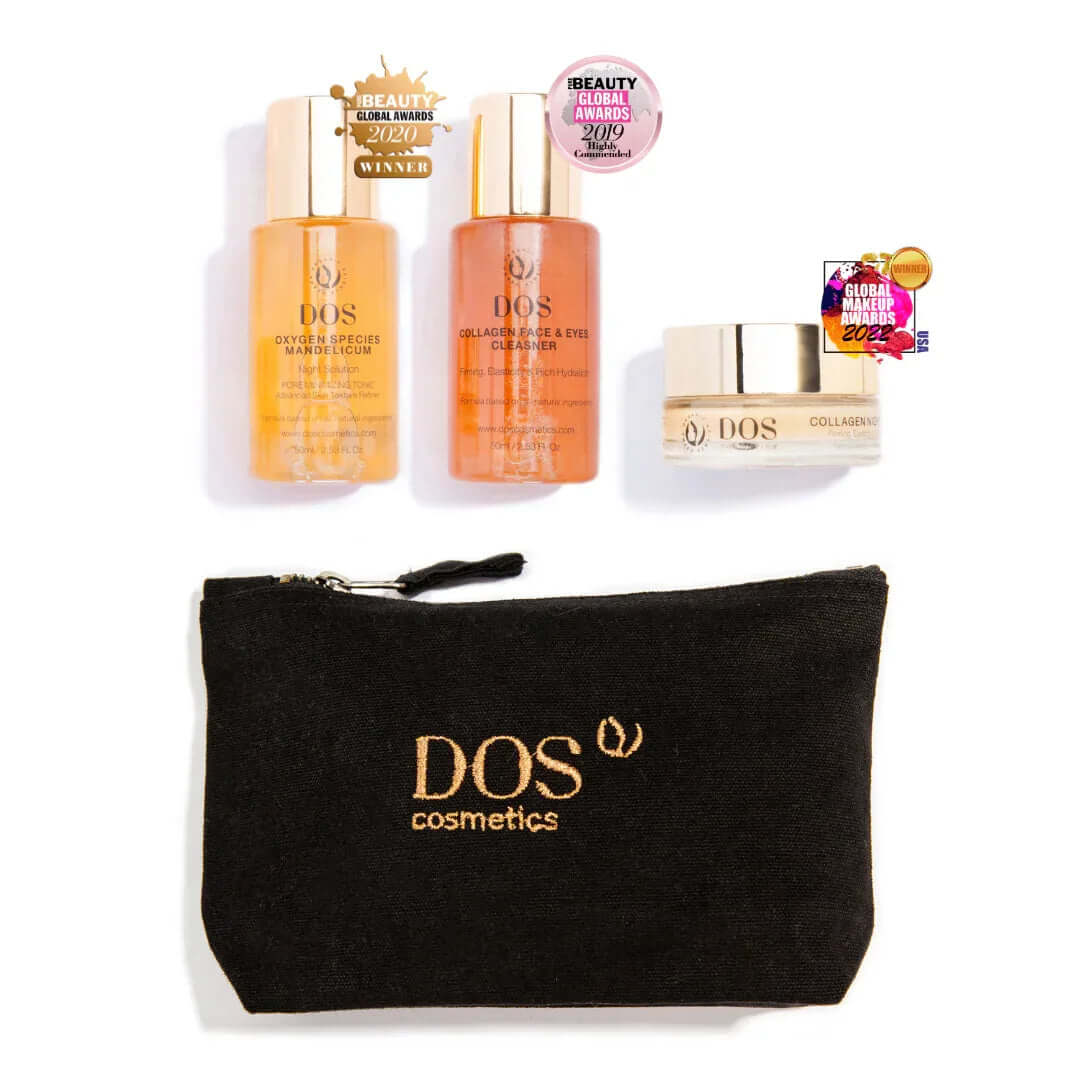
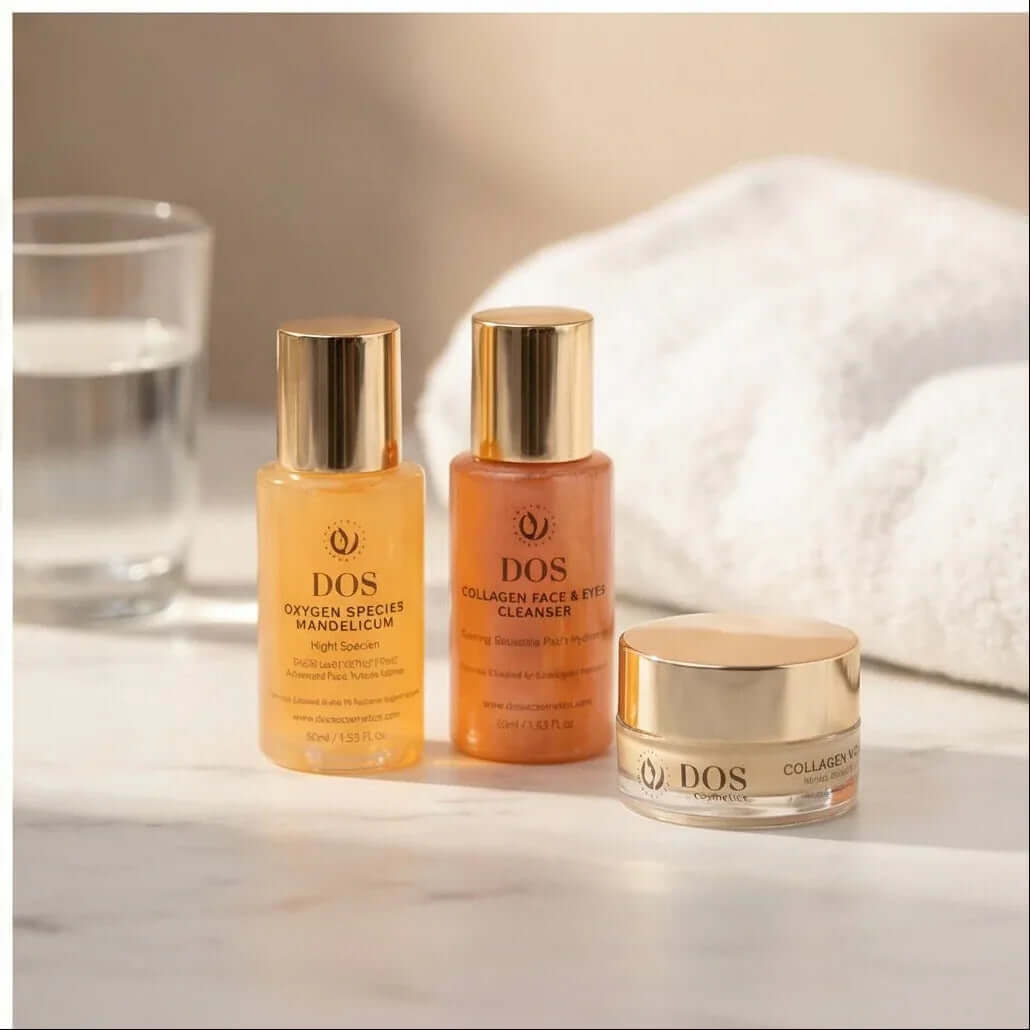 Σετ Ομορφιάς Επανόρθωσης Ανανέωση Επιδερμίδας
- Κανονική τιμή
-
99.00 EUR - Κανονική τιμή
-
- Τιμή πώλησης
-
99.00 EUR
-
Έλαιο Χοχόμπα
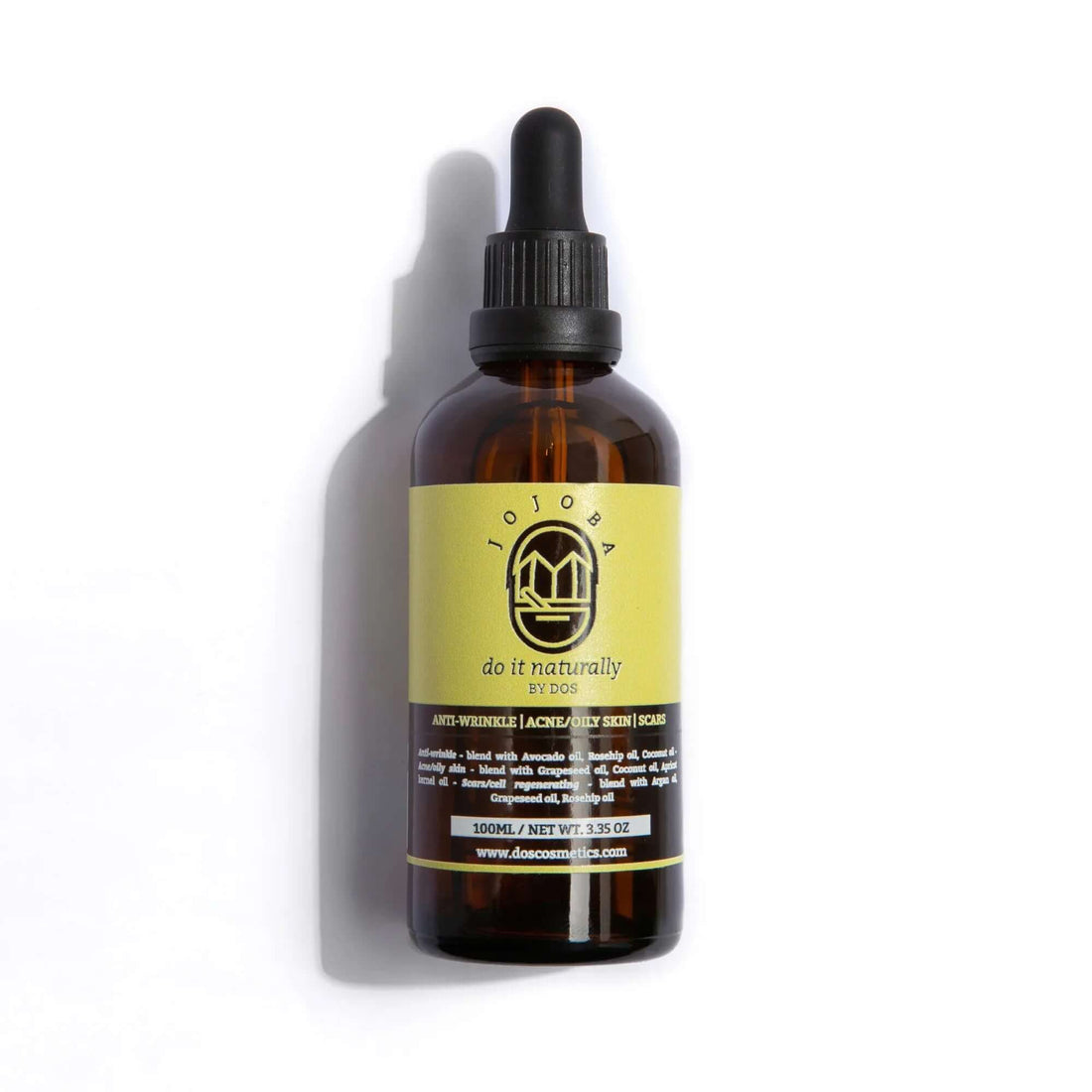
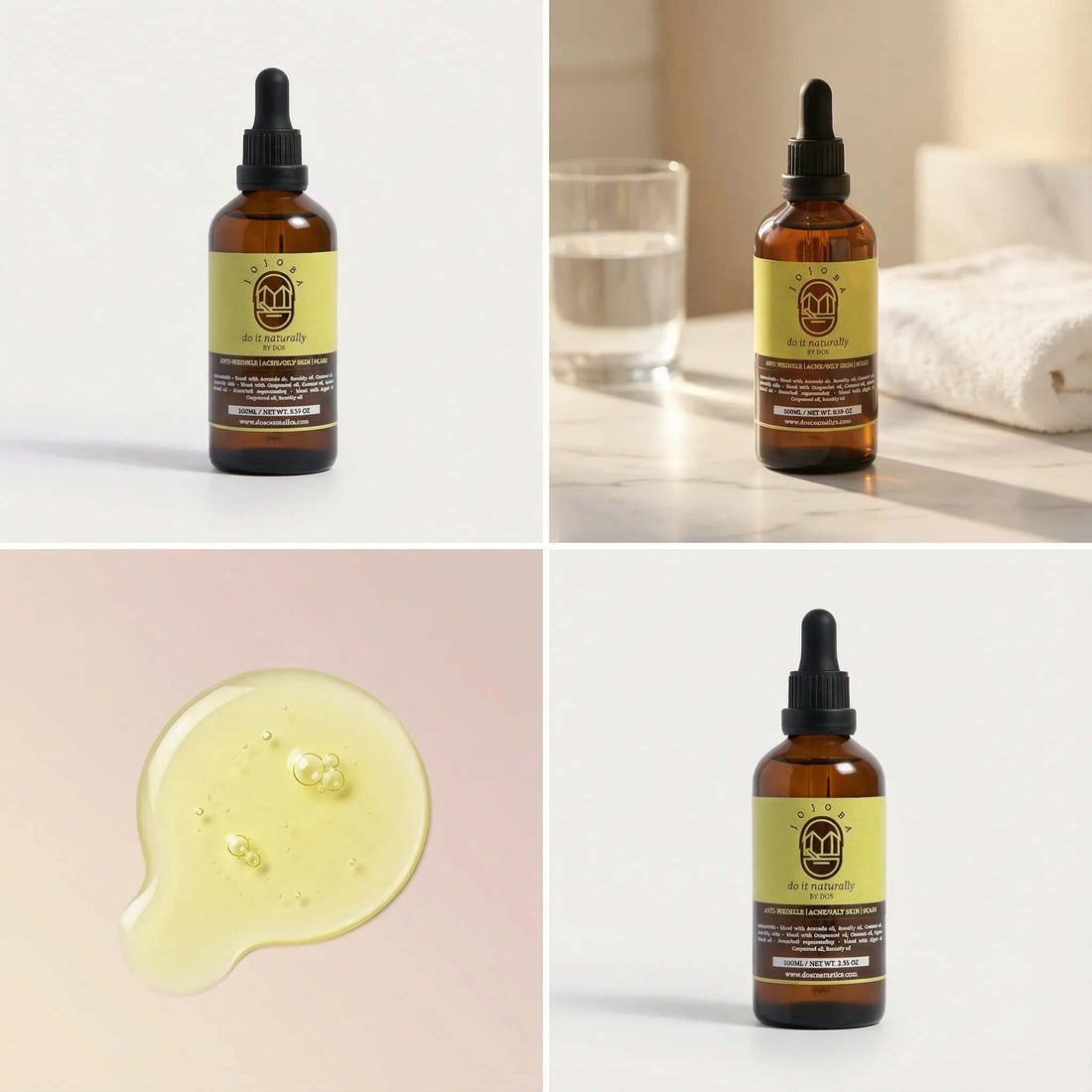 Έλαιο Χοχόμπα Σμηγματορυθμιστικό Έλαιο για Ισορροπημένη Επιδερμίδα
- Κανονική τιμή
-
29.00 EUR - Κανονική τιμή
-
- Τιμή πώλησης
-
29.00 EUR
-
Πρωτόκολλο για Λιπαρή Επιδερμίδα · Δυσχρωμίες — Άνοιξη-Καλοκαίρι
 Πρωτόκολλο για Λιπαρή Επιδερμίδα · Δυσχρωμίες — Άνοιξη-Καλοκαίρι Ρουτίνα 3 Βημάτων για Λιπαρή Επιδερμίδα & Δυσχρωμίες — Άνοιξη-Καλοκαίρι
- Κανονική τιμή
-
149.60 EUR - Κανονική τιμή
-
187.00 EUR - Τιμή πώλησης
-
149.60 EUR
-
Πρωτόκολλο για Λιπαρή Επιδερμίδα · Δυσχρωμίες — Άνοιξη-Καλοκαίρι
 Πρωτόκολλο για Λιπαρή Επιδερμίδα · Δυσχρωμίες — Άνοιξη-Καλοκαίρι Ρουτίνα 3 Βημάτων για Λιπαρή Επιδερμίδα & Δυσχρωμίες — Άνοιξη-Καλοκαίρι
- Κανονική τιμή
-
181.60 EUR - Κανονική τιμή
-
227.00 EUR - Τιμή πώλησης
-
181.60 EUR
-
Πρωτόκολλο για Λιπαρή Επιδερμίδα · Δυσχρωμίες — Άνοιξη-Καλοκαίρι
 Πρωτόκολλο για Λιπαρή Επιδερμίδα · Δυσχρωμίες — Άνοιξη-Καλοκαίρι Ρουτίνα 3 Βημάτων για Λιπαρή Επιδερμίδα & Δυσχρωμίες — Άνοιξη-Καλοκαίρι
- Κανονική τιμή
-
181.60 EUR - Κανονική τιμή
-
227.00 EUR - Τιμή πώλησης
-
181.60 EUR
-
Πρωτόκολλο για Λιπαρή Επιδερμίδα · Αφυδάτωση — Άνοιξη-Καλοκαίρι
 Πρωτόκολλο για Λιπαρή Επιδερμίδα · Αφυδάτωση — Άνοιξη-Καλοκαίρι Ρουτίνα 3 Βημάτων για Λιπαρή Επιδερμίδα & Αφυδάτωση — Άνοιξη-Καλοκαίρι
- Κανονική τιμή
-
85.60 EUR - Κανονική τιμή
-
107.00 EUR - Τιμή πώλησης
-
85.60 EUR
-
Πρωτόκολλο για Λιπαρή Επιδερμίδα · Αφυδάτωση — Άνοιξη-Καλοκαίρι
 Πρωτόκολλο για Λιπαρή Επιδερμίδα · Αφυδάτωση — Άνοιξη-Καλοκαίρι Ρουτίνα 3 Βημάτων για Λιπαρή Επιδερμίδα & Αφυδάτωση — Άνοιξη-Καλοκαίρι
- Κανονική τιμή
-
85.60 EUR - Κανονική τιμή
-
107.00 EUR - Τιμή πώλησης
-
85.60 EUR
-
Πρωτόκολλο για Λιπαρή Επιδερμίδα · Αφυδάτωση — Άνοιξη-Καλοκαίρι
 Πρωτόκολλο για Λιπαρή Επιδερμίδα · Αφυδάτωση — Άνοιξη-Καλοκαίρι Ρουτίνα 3 Βημάτων για Λιπαρή Επιδερμίδα & Αφυδάτωση — Άνοιξη-Καλοκαίρι
- Κανονική τιμή
-
109.60 EUR - Κανονική τιμή
-
137.00 EUR - Τιμή πώλησης
-
109.60 EUR
-
Πρωτόκολλο για Λιπαρή Επιδερμίδα · Λιπαρότητα — Άνοιξη-Καλοκαίρι
 Πρωτόκολλο για Λιπαρή Επιδερμίδα · Λιπαρότητα — Άνοιξη-Καλοκαίρι Ρουτίνα 3 Βημάτων για Λιπαρή Επιδερμίδα & Λιπαρότητα — Άνοιξη-Καλοκαίρι
- Κανονική τιμή
-
77.60 EUR - Κανονική τιμή
-
97.00 EUR - Τιμή πώλησης
-
77.60 EUR
-
Πρωτόκολλο για Λιπαρή Επιδερμίδα · Λιπαρότητα — Άνοιξη-Καλοκαίρι
 Πρωτόκολλο για Λιπαρή Επιδερμίδα · Λιπαρότητα — Άνοιξη-Καλοκαίρι Ρουτίνα 3 Βημάτων για Λιπαρή Επιδερμίδα & Λιπαρότητα — Άνοιξη-Καλοκαίρι
- Κανονική τιμή
-
109.60 EUR - Κανονική τιμή
-
137.00 EUR - Τιμή πώλησης
-
109.60 EUR
-
Πρωτόκολλο για Λιπαρή Επιδερμίδα · Λιπαρότητα — Άνοιξη-Καλοκαίρι
 Πρωτόκολλο για Λιπαρή Επιδερμίδα · Λιπαρότητα — Άνοιξη-Καλοκαίρι Ρουτίνα 3 Βημάτων για Λιπαρή Επιδερμίδα & Λιπαρότητα — Άνοιξη-Καλοκαίρι
- Κανονική τιμή
-
101.60 EUR - Κανονική τιμή
-
127.00 EUR - Τιμή πώλησης
-
101.60 EUR
-
Πρωτόκολλο για Μικτή Επιδερμίδα · Δυσχρωμίες — Άνοιξη-Καλοκαίρι
 Πρωτόκολλο για Μικτή Επιδερμίδα · Δυσχρωμίες — Άνοιξη-Καλοκαίρι Ρουτίνα 3 Βημάτων για Μικτή Επιδερμίδα & Δυσχρωμίες — Άνοιξη-Καλοκαίρι
- Κανονική τιμή
-
149.60 EUR - Κανονική τιμή
-
187.00 EUR - Τιμή πώλησης
-
149.60 EUR
-
Πρωτόκολλο για Μικτή Επιδερμίδα · Δυσχρωμίες — Άνοιξη-Καλοκαίρι
 Πρωτόκολλο για Μικτή Επιδερμίδα · Δυσχρωμίες — Άνοιξη-Καλοκαίρι Ρουτίνα 3 Βημάτων για Μικτή Επιδερμίδα & Δυσχρωμίες — Άνοιξη-Καλοκαίρι
- Κανονική τιμή
-
181.60 EUR - Κανονική τιμή
-
227.00 EUR - Τιμή πώλησης
-
181.60 EUR
-
Πρωτόκολλο για Μικτή Επιδερμίδα · Δυσχρωμίες — Άνοιξη-Καλοκαίρι
 Πρωτόκολλο για Μικτή Επιδερμίδα · Δυσχρωμίες — Άνοιξη-Καλοκαίρι Ρουτίνα 3 Βημάτων για Μικτή Επιδερμίδα & Δυσχρωμίες — Άνοιξη-Καλοκαίρι
- Κανονική τιμή
-
181.60 EUR - Κανονική τιμή
-
227.00 EUR - Τιμή πώλησης
-
181.60 EUR
-
Πρωτόκολλο για Μικτή Επιδερμίδα · Αφυδάτωση — Άνοιξη-Καλοκαίρι
 Πρωτόκολλο για Μικτή Επιδερμίδα · Αφυδάτωση — Άνοιξη-Καλοκαίρι Ρουτίνα 3 Βημάτων για Μικτή Επιδερμίδα & Αφυδάτωση — Άνοιξη-Καλοκαίρι
- Κανονική τιμή
-
85.60 EUR - Κανονική τιμή
-
107.00 EUR - Τιμή πώλησης
-
85.60 EUR
-
Πρωτόκολλο για Μικτή Επιδερμίδα · Αφυδάτωση — Άνοιξη-Καλοκαίρι
 Πρωτόκολλο για Μικτή Επιδερμίδα · Αφυδάτωση — Άνοιξη-Καλοκαίρι Ρουτίνα 3 Βημάτων για Μικτή Επιδερμίδα & Αφυδάτωση — Άνοιξη-Καλοκαίρι
- Κανονική τιμή
-
85.60 EUR - Κανονική τιμή
-
107.00 EUR - Τιμή πώλησης
-
85.60 EUR
-
Πρωτόκολλο για Μικτή Επιδερμίδα · Αφυδάτωση — Άνοιξη-Καλοκαίρι
 Πρωτόκολλο για Μικτή Επιδερμίδα · Αφυδάτωση — Άνοιξη-Καλοκαίρι Ρουτίνα 3 Βημάτων για Μικτή Επιδερμίδα & Αφυδάτωση — Άνοιξη-Καλοκαίρι
- Κανονική τιμή
-
109.60 EUR - Κανονική τιμή
-
137.00 EUR - Τιμή πώλησης
-
109.60 EUR
-
Πρωτόκολλο για Μικτή Επιδερμίδα · Λιπαρότητα — Άνοιξη-Καλοκαίρι
 Πρωτόκολλο για Μικτή Επιδερμίδα · Λιπαρότητα — Άνοιξη-Καλοκαίρι Ρουτίνα 3 Βημάτων για Μικτή Επιδερμίδα & Λιπαρότητα — Άνοιξη-Καλοκαίρι
- Κανονική τιμή
-
77.60 EUR - Κανονική τιμή
-
97.00 EUR - Τιμή πώλησης
-
77.60 EUR
-
Πρωτόκολλο για Μικτή Επιδερμίδα · Λιπαρότητα — Άνοιξη-Καλοκαίρι
 Πρωτόκολλο για Μικτή Επιδερμίδα · Λιπαρότητα — Άνοιξη-Καλοκαίρι Ρουτίνα 3 Βημάτων για Μικτή Επιδερμίδα & Λιπαρότητα — Άνοιξη-Καλοκαίρι
- Κανονική τιμή
-
109.60 EUR - Κανονική τιμή
-
137.00 EUR - Τιμή πώλησης
-
109.60 EUR
-
Πρωτόκολλο για Μικτή Επιδερμίδα · Λιπαρότητα — Άνοιξη-Καλοκαίρι
 Πρωτόκολλο για Μικτή Επιδερμίδα · Λιπαρότητα — Άνοιξη-Καλοκαίρι Ρουτίνα 3 Βημάτων για Μικτή Επιδερμίδα & Λιπαρότητα — Άνοιξη-Καλοκαίρι
- Κανονική τιμή
-
109.60 EUR - Κανονική τιμή
-
137.00 EUR - Τιμή πώλησης
-
109.60 EUR
-
Πρωτόκολλο για Κανονική Επιδερμίδα · Δυσχρωμίες — Άνοιξη-Καλοκαίρι
 Πρωτόκολλο για Κανονική Επιδερμίδα · Δυσχρωμίες — Άνοιξη-Καλοκαίρι Ρουτίνα 3 Βημάτων για Κανονική Επιδερμίδα & Δυσχρωμίες — Άνοιξη-Καλοκαίρι
- Κανονική τιμή
-
149.60 EUR - Κανονική τιμή
-
187.00 EUR - Τιμή πώλησης
-
149.60 EUR
-
Πρωτόκολλο για Κανονική Επιδερμίδα · Δυσχρωμίες — Άνοιξη-Καλοκαίρι
 Πρωτόκολλο για Κανονική Επιδερμίδα · Δυσχρωμίες — Άνοιξη-Καλοκαίρι Ρουτίνα 3 Βημάτων για Κανονική Επιδερμίδα & Δυσχρωμίες — Άνοιξη-Καλοκαίρι
- Κανονική τιμή
-
149.60 EUR - Κανονική τιμή
-
187.00 EUR - Τιμή πώλησης
-
149.60 EUR
-
Πρωτόκολλο για Κανονική Επιδερμίδα · Δυσχρωμίες — Άνοιξη-Καλοκαίρι
 Πρωτόκολλο για Κανονική Επιδερμίδα · Δυσχρωμίες — Άνοιξη-Καλοκαίρι Ρουτίνα 3 Βημάτων για Κανονική Επιδερμίδα & Δυσχρωμίες — Άνοιξη-Καλοκαίρι
- Κανονική τιμή
-
149.60 EUR - Κανονική τιμή
-
187.00 EUR - Τιμή πώλησης
-
149.60 EUR
-
Πρωτόκολλο για Κανονική Επιδερμίδα · Αφυδάτωση — Άνοιξη-Καλοκαίρι
 Πρωτόκολλο για Κανονική Επιδερμίδα · Αφυδάτωση — Άνοιξη-Καλοκαίρι Ρουτίνα 3 Βημάτων για Κανονική Επιδερμίδα & Αφυδάτωση — Άνοιξη-Καλοκαίρι
- Κανονική τιμή
-
85.60 EUR - Κανονική τιμή
-
107.00 EUR - Τιμή πώλησης
-
85.60 EUR
-
Πρωτόκολλο για Κανονική Επιδερμίδα · Αφυδάτωση — Άνοιξη-Καλοκαίρι
 Πρωτόκολλο για Κανονική Επιδερμίδα · Αφυδάτωση — Άνοιξη-Καλοκαίρι Ρουτίνα 3 Βημάτων για Κανονική Επιδερμίδα & Αφυδάτωση — Άνοιξη-Καλοκαίρι
- Κανονική τιμή
-
85.60 EUR - Κανονική τιμή
-
107.00 EUR - Τιμή πώλησης
-
85.60 EUR
-
Πρωτόκολλο για Κανονική Επιδερμίδα · Αφυδάτωση — Άνοιξη-Καλοκαίρι
 Πρωτόκολλο για Κανονική Επιδερμίδα · Αφυδάτωση — Άνοιξη-Καλοκαίρι Ρουτίνα 3 Βημάτων για Κανονική Επιδερμίδα & Αφυδάτωση — Άνοιξη-Καλοκαίρι
- Κανονική τιμή
-
77.60 EUR - Κανονική τιμή
-
97.00 EUR - Τιμή πώλησης
-
77.60 EUR
-
Πρωτόκολλο για Κανονική Επιδερμίδα · Λιπαρότητα — Άνοιξη-Καλοκαίρι
 Πρωτόκολλο για Κανονική Επιδερμίδα · Λιπαρότητα — Άνοιξη-Καλοκαίρι Ρουτίνα 3 Βημάτων για Κανονική Επιδερμίδα & Λιπαρότητα — Άνοιξη-Καλοκαίρι
- Κανονική τιμή
-
85.60 EUR - Κανονική τιμή
-
107.00 EUR - Τιμή πώλησης
-
85.60 EUR
-
Πρωτόκολλο για Κανονική Επιδερμίδα · Λιπαρότητα — Άνοιξη-Καλοκαίρι
 Πρωτόκολλο για Κανονική Επιδερμίδα · Λιπαρότητα — Άνοιξη-Καλοκαίρι Ρουτίνα 3 Βημάτων για Κανονική Επιδερμίδα & Λιπαρότητα — Άνοιξη-Καλοκαίρι
- Κανονική τιμή
-
77.60 EUR - Κανονική τιμή
-
97.00 EUR - Τιμή πώλησης
-
77.60 EUR
-
Πρωτόκολλο για Κανονική Επιδερμίδα · Λιπαρότητα — Άνοιξη-Καλοκαίρι
 Πρωτόκολλο για Κανονική Επιδερμίδα · Λιπαρότητα — Άνοιξη-Καλοκαίρι Ρουτίνα 3 Βημάτων για Κανονική Επιδερμίδα & Λιπαρότητα — Άνοιξη-Καλοκαίρι
- Κανονική τιμή
-
109.60 EUR - Κανονική τιμή
-
137.00 EUR - Τιμή πώλησης
-
109.60 EUR
-
Πρωτόκολλο για Ξηρή Επιδερμίδα · Δυσχρωμίες — Άνοιξη-Καλοκαίρι
 Πρωτόκολλο για Ξηρή Επιδερμίδα · Δυσχρωμίες — Άνοιξη-Καλοκαίρι Ρουτίνα 3 Βημάτων για Ξηρή Επιδερμίδα & Δυσχρωμίες — Άνοιξη-Καλοκαίρι
- Κανονική τιμή
-
149.60 EUR - Κανονική τιμή
-
187.00 EUR - Τιμή πώλησης
-
149.60 EUR
-
Πρωτόκολλο για Ξηρή Επιδερμίδα · Δυσχρωμίες — Άνοιξη-Καλοκαίρι
 Πρωτόκολλο για Ξηρή Επιδερμίδα · Δυσχρωμίες — Άνοιξη-Καλοκαίρι Ρουτίνα 3 Βημάτων για Ξηρή Επιδερμίδα & Δυσχρωμίες — Άνοιξη-Καλοκαίρι
- Κανονική τιμή
-
149.60 EUR - Κανονική τιμή
-
187.00 EUR - Τιμή πώλησης
-
149.60 EUR
-
Πρωτόκολλο για Ξηρή Επιδερμίδα · Δυσχρωμίες — Άνοιξη-Καλοκαίρι
 Πρωτόκολλο για Ξηρή Επιδερμίδα · Δυσχρωμίες — Άνοιξη-Καλοκαίρι Ρουτίνα 3 Βημάτων για Ξηρή Επιδερμίδα & Δυσχρωμίες — Άνοιξη-Καλοκαίρι
- Κανονική τιμή
-
117.60 EUR - Κανονική τιμή
-
147.00 EUR - Τιμή πώλησης
-
117.60 EUR
-
Πρωτόκολλο για Ξηρή Επιδερμίδα · Αφυδάτωση — Άνοιξη-Καλοκαίρι
 Πρωτόκολλο για Ξηρή Επιδερμίδα · Αφυδάτωση — Άνοιξη-Καλοκαίρι Ρουτίνα 3 Βημάτων για Ξηρή Επιδερμίδα & Αφυδάτωση — Άνοιξη-Καλοκαίρι
- Κανονική τιμή
-
85.60 EUR - Κανονική τιμή
-
107.00 EUR - Τιμή πώλησης
-
85.60 EUR
-
Πρωτόκολλο για Ξηρή Επιδερμίδα · Αφυδάτωση — Άνοιξη-Καλοκαίρι
 Πρωτόκολλο για Ξηρή Επιδερμίδα · Αφυδάτωση — Άνοιξη-Καλοκαίρι Ρουτίνα 3 Βημάτων για Ξηρή Επιδερμίδα & Αφυδάτωση — Άνοιξη-Καλοκαίρι
- Κανονική τιμή
-
85.60 EUR - Κανονική τιμή
-
107.00 EUR - Τιμή πώλησης
-
85.60 EUR
-
Πρωτόκολλο για Ξηρή Επιδερμίδα · Αφυδάτωση — Άνοιξη-Καλοκαίρι
 Πρωτόκολλο για Ξηρή Επιδερμίδα · Αφυδάτωση — Άνοιξη-Καλοκαίρι Ρουτίνα 3 Βημάτων για Ξηρή Επιδερμίδα & Αφυδάτωση — Άνοιξη-Καλοκαίρι
- Κανονική τιμή
-
109.60 EUR - Κανονική τιμή
-
137.00 EUR - Τιμή πώλησης
-
109.60 EUR
-
Πρωτόκολλο για Ξηρή Επιδερμίδα · Λιπαρότητα — Άνοιξη-Καλοκαίρι
 Πρωτόκολλο για Ξηρή Επιδερμίδα · Λιπαρότητα — Άνοιξη-Καλοκαίρι Ρουτίνα 3 Βημάτων για Ξηρή Επιδερμίδα & Λιπαρότητα — Άνοιξη-Καλοκαίρι
- Κανονική τιμή
-
85.60 EUR - Κανονική τιμή
-
107.00 EUR - Τιμή πώλησης
-
85.60 EUR
-
Πρωτόκολλο για Ξηρή Επιδερμίδα · Λιπαρότητα — Άνοιξη-Καλοκαίρι
 Πρωτόκολλο για Ξηρή Επιδερμίδα · Λιπαρότητα — Άνοιξη-Καλοκαίρι Ρουτίνα 3 Βημάτων για Ξηρή Επιδερμίδα & Λιπαρότητα — Άνοιξη-Καλοκαίρι
- Κανονική τιμή
-
77.60 EUR - Κανονική τιμή
-
97.00 EUR - Τιμή πώλησης
-
77.60 EUR
-
Πρωτόκολλο για Ξηρή Επιδερμίδα · Λιπαρότητα — Άνοιξη-Καλοκαίρι
 Πρωτόκολλο για Ξηρή Επιδερμίδα · Λιπαρότητα — Άνοιξη-Καλοκαίρι Ρουτίνα 3 Βημάτων για Ξηρή Επιδερμίδα & Λιπαρότητα — Άνοιξη-Καλοκαίρι
- Κανονική τιμή
-
109.60 EUR - Κανονική τιμή
-
137.00 EUR - Τιμή πώλησης
-
109.60 EUR
-
ΜΕΤΑ ΤΟΝ ΗΛΙΟ | Σετ Ημέρας & Νύχτας για Σκούρες Κηλίδες
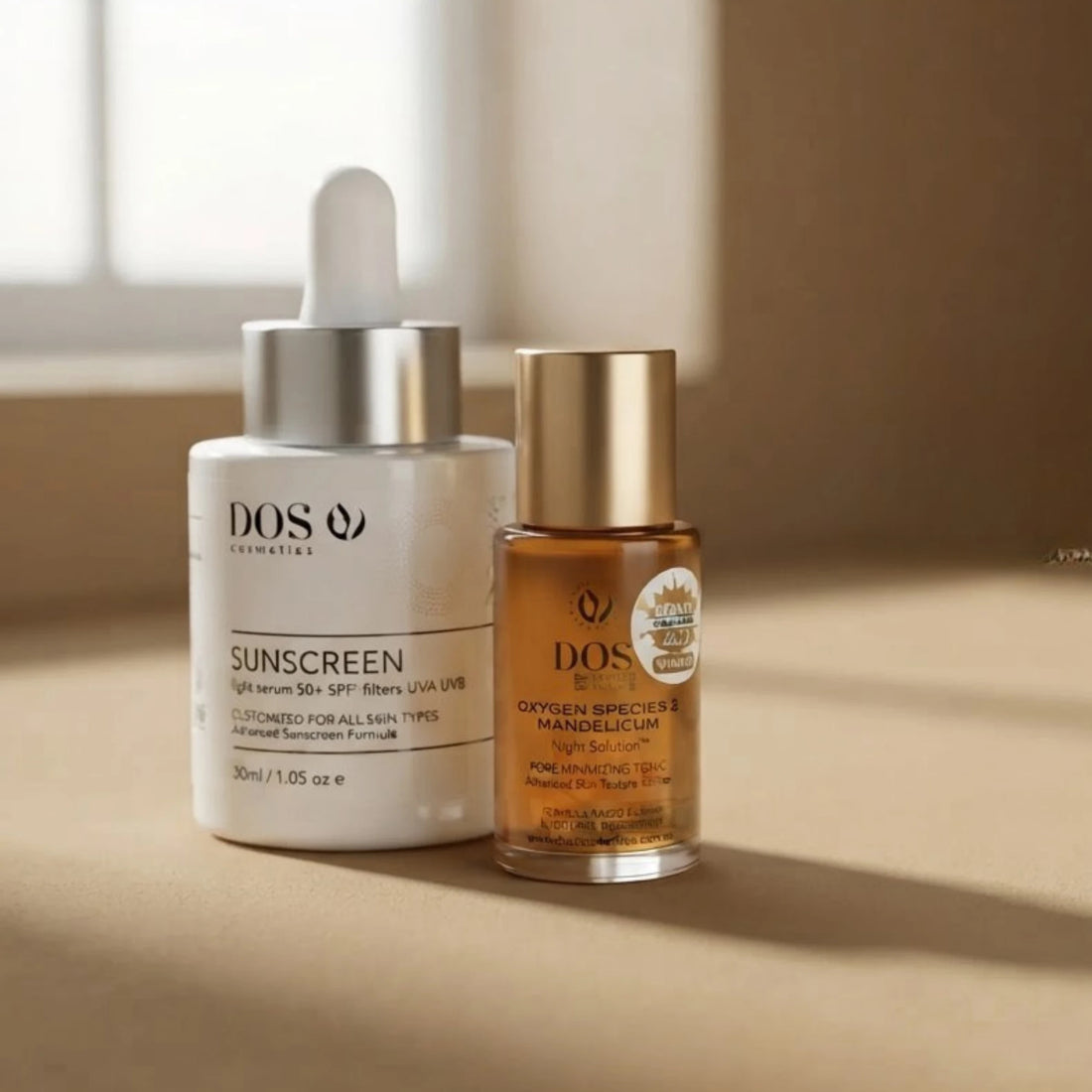 ΜΕΤΑ ΤΟΝ ΗΛΙΟ | Σετ Ημέρας & Νύχτας για Σκούρες Κηλίδες Δίδυμο Ημέρας & Νύχτας για Σκούρες Κηλίδες
- Κανονική τιμή
-
79.00 EUR - Κανονική τιμή
-
115.20 EUR - Τιμή πώλησης
-
79.00 EUR


Συχνές ερωτήσεις
Why does my skincare routine need to change in spring and summer?
What does a spring and summer skincare routine actually need?
How do I know which of these products are right for my skin?
My skin gets oilier and more congested in the heat. Should I use less moisture?
How do I stop dark spots from getting worse over the summer?
Can I use exfoliating acids in summer, or should I stop until autumn?
Are DOS formulas suitable for sensitive skin, and what's in them?

Μέθοδοι πληρωμής
