
Συλλογή: Εγκυμοσύνη

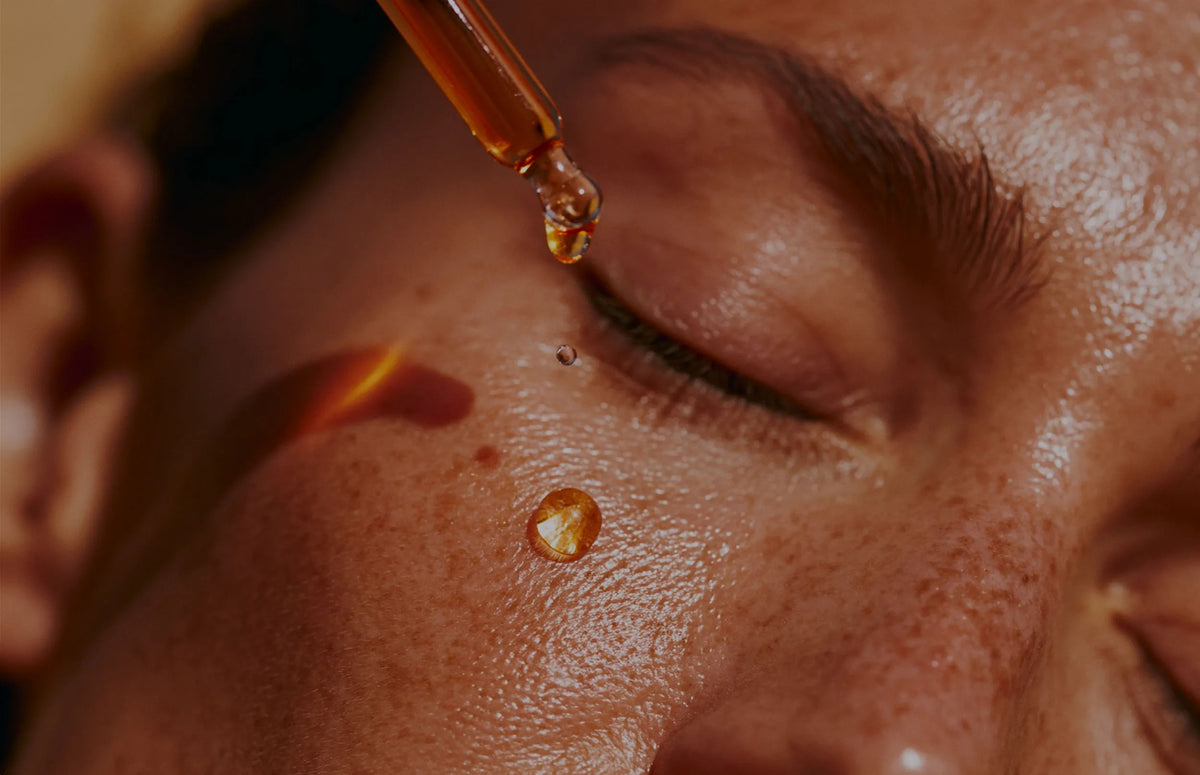
Ξεχωρίσαμε τα προϊόντα που μπορείτε να χρησιμοποιείτε με ασφάλεια στην εγκυμοσύνη: χωρίς ρετινοειδή, οξέα ή αλκοόλ. Τώρα η επιδερμίδα χρειάζεται περισσότερη ενυδάτωση από ποτέ, και εδώ τη βρίσκει.

Φίλτρο
Ταξινόμηση κατά

8 προϊόντα

Φιλτράρισμα και ταξινόμηση Φίλτρο
Φιλτράρισμα και ταξινόμηση
Φίλτρο

8 προϊόντα

Συχνές ερωτήσεις

Is DOS skincare safe to use during pregnancy?

We built this edit by taking things out, not by adding things in.

Every product in our Pregnancy edit is formulated without retinoids, without alcohol, and without parabens, sulfates or PEGs — the ingredients most commonly avoided during pregnancy. Our strongest actives and acid-based night treatments are deliberately not in this collection.

Every formula is made in our own lab, clinically tested for safety, and its full ingredient list is published on its product page — nothing hidden, nothing abbreviated.

But your pregnancy is yours, and no brand can make that decision for you. Show the ingredient list to your doctor or midwife before you begin. We'd rather you ask than assume.

Which skincare ingredients are usually avoided during pregnancy?

The list most doctors point to is short and consistent:

  • Retinoids — retinol, retinal, tretinoin and their relatives
  • Hydroquinone and prescription-strength brightening agents
  • High-strength salicylic acid, particularly in peels and leave-on treatments
  • Alcohol denat. and ethanol-based formulas, which thin an already reactive barrier
  • Certain concentrated essential oils, especially in the first trimester

This is general guidance, not a medical instruction — your doctor knows your pregnancy, we don't.

It is also why this edit is deliberately shorter than our full range. We removed products rather than reformulating claims around them.

Why has my skin changed so much since I became pregnant?

Because your hormones have, and your skin is the first place that shows.

Three changes come up most often:

  • Reactivity. Skin that never stung suddenly stings. The barrier is thinner and more easily provoked.
  • Oiliness and breakouts. Higher hormone levels push oil production up, often in the T-zone and along the jaw.
  • Pigmentation. Dark patches across the cheeks, forehead and upper lip — melasma, often called the pregnancy mask.

None of this means your skin is misbehaving. It means it's responding. The aim during these months isn't transformation — it's balance. Keep the barrier fed, keep the routine short, and let your skin settle.

Can I do anything about melasma, the "pregnancy mask"?

You can't switch off the hormone driving it. You can remove what makes it darken.

Melasma is triggered by hormones but deepened by sun and heat. Daily sun protection is the single most useful thing you can do while pregnant — not to erase the pigment, but to stop it from setting deeper while your skin is at its most reactive.

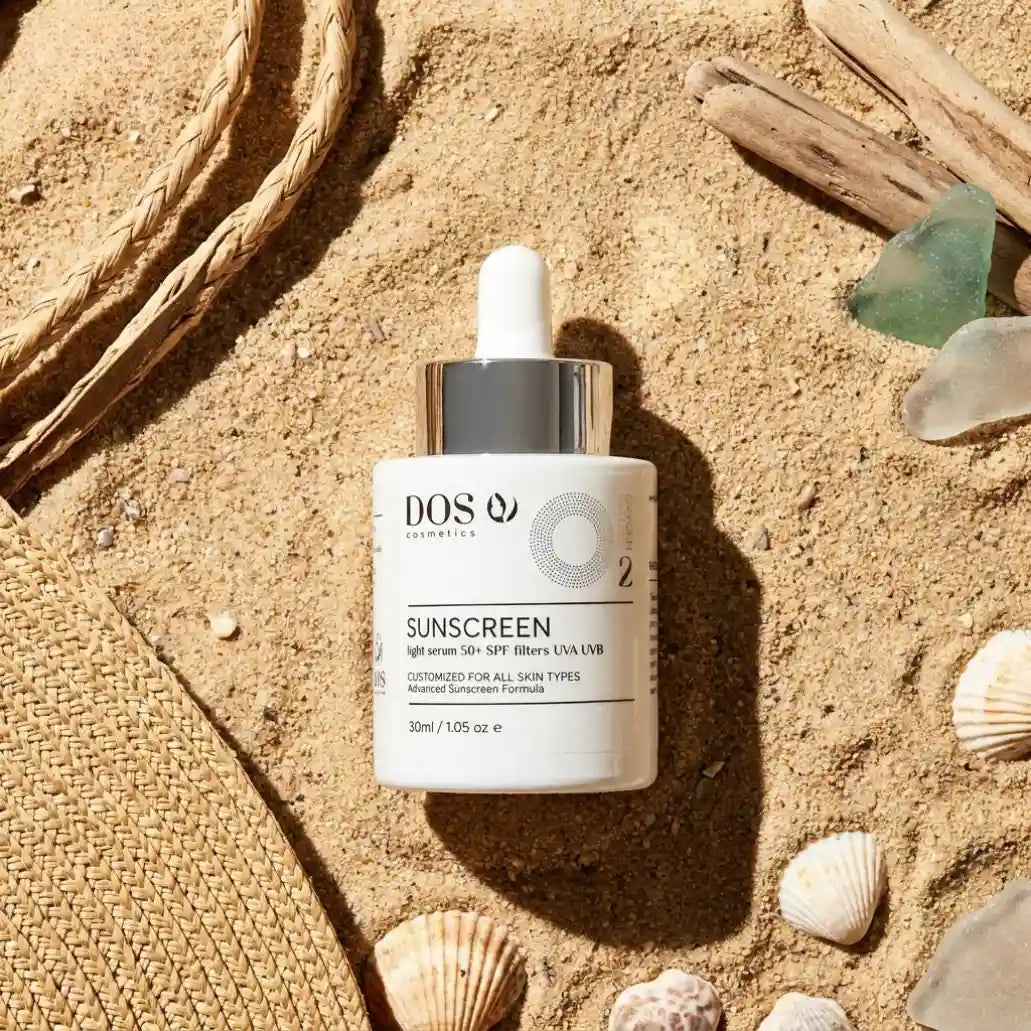
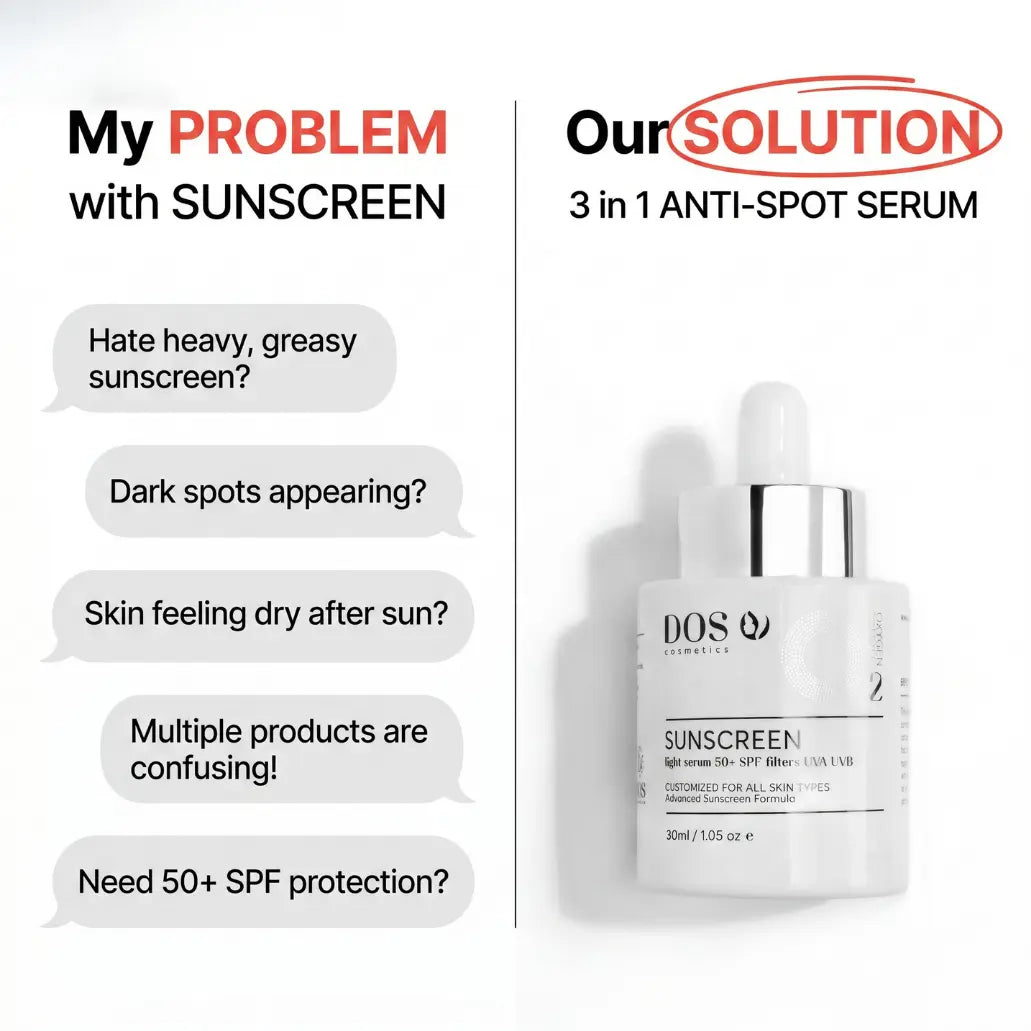
Our Sunscreen Serum SPF50+ is formulated for exactly this: high protection with antioxidant support, in a texture light enough to wear every day without a heavy finish.

What we won't do is sell you our strongest pigment correctors right now. Our acid-based night solutions sit outside this edit on purpose. Come back to them when you and your doctor decide the time is right — the pigment will still be treatable then, and your skin will be stronger for the wait.

What's the simplest routine I can follow while I'm pregnant?

Three steps. Not seven. Especially now.

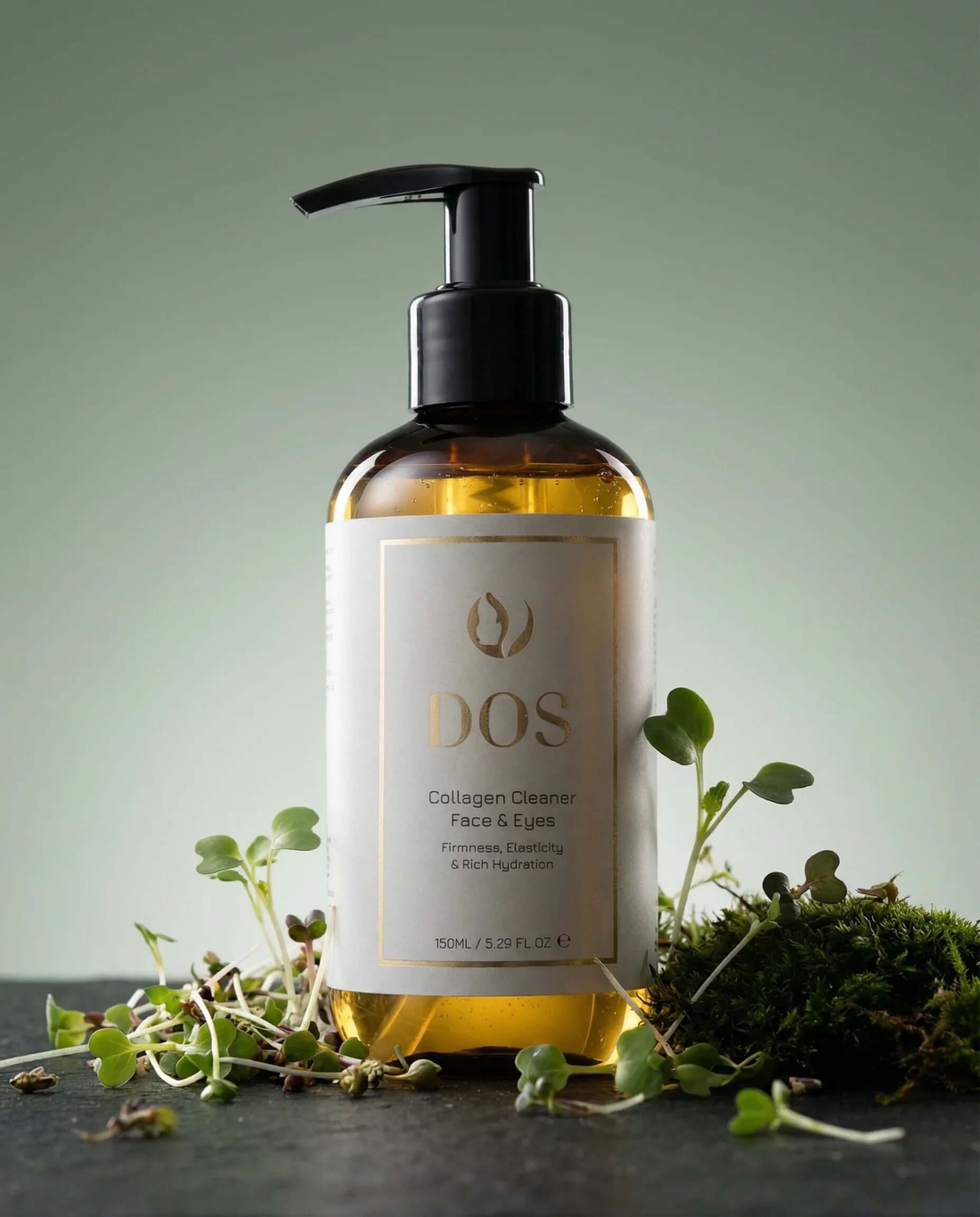
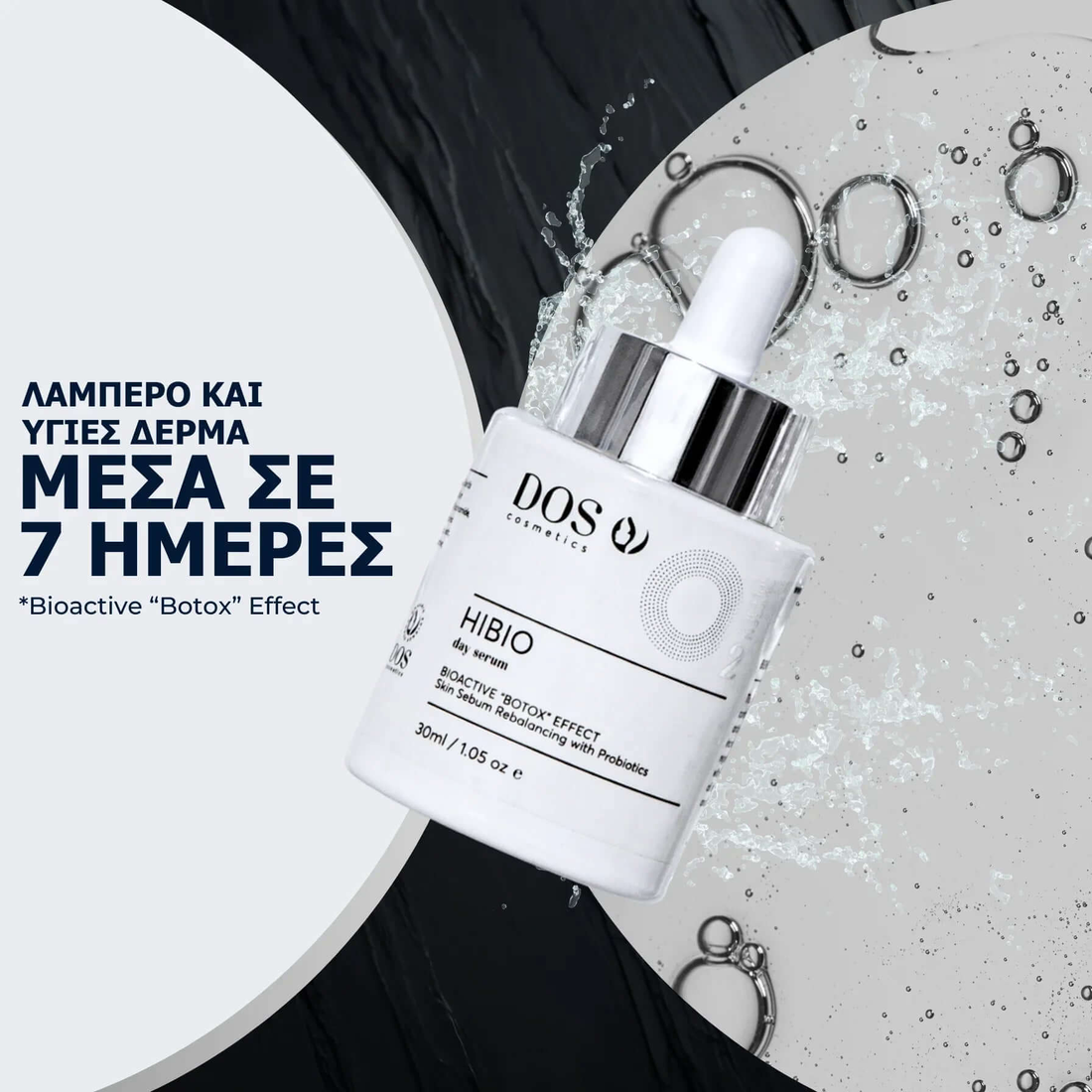
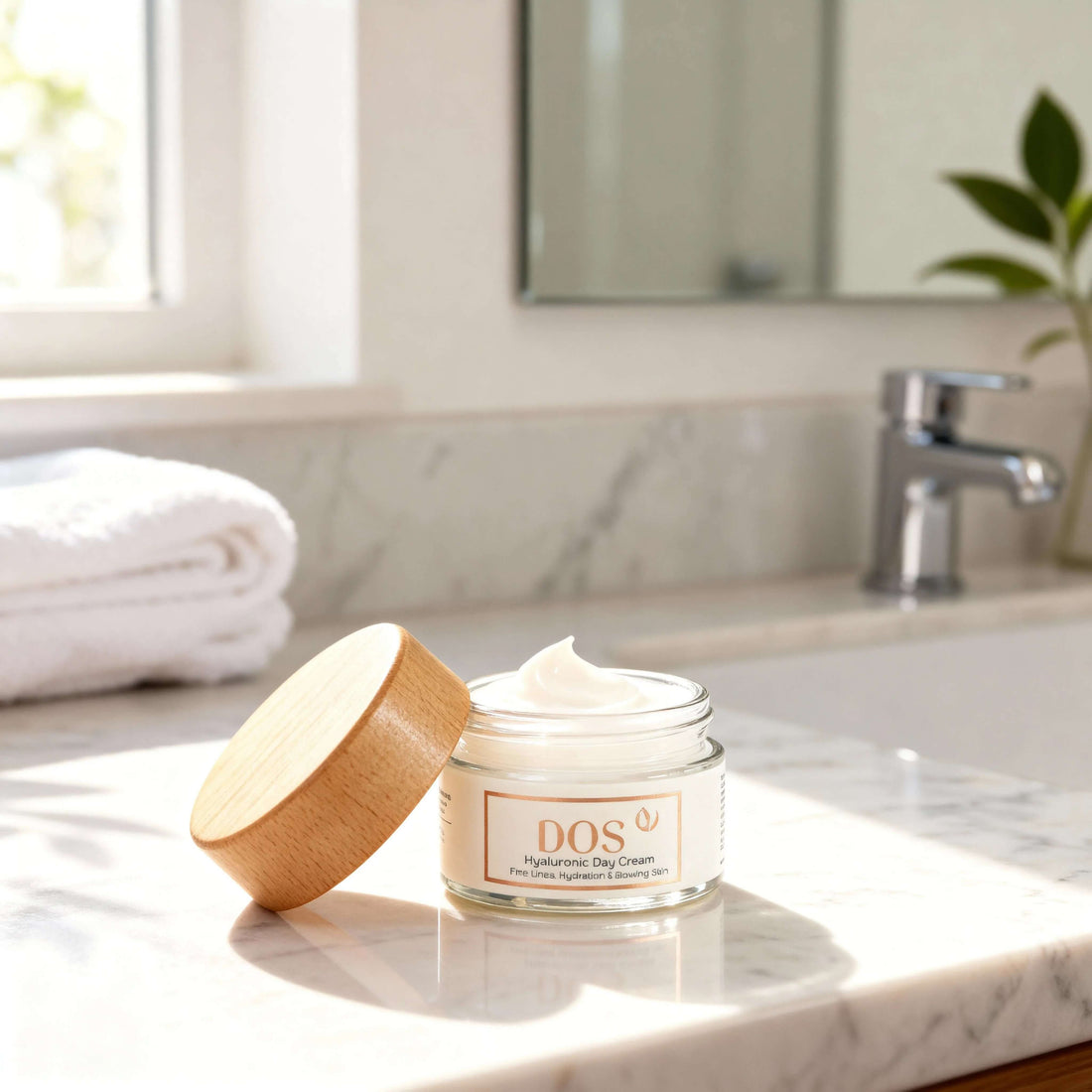
Morning: Cleanse with our Collagen Cleanser · Hydrate with the HIBIO Day Serum or Hyaluronic Day Cream · Protect with Sunscreen Serum SPF50+

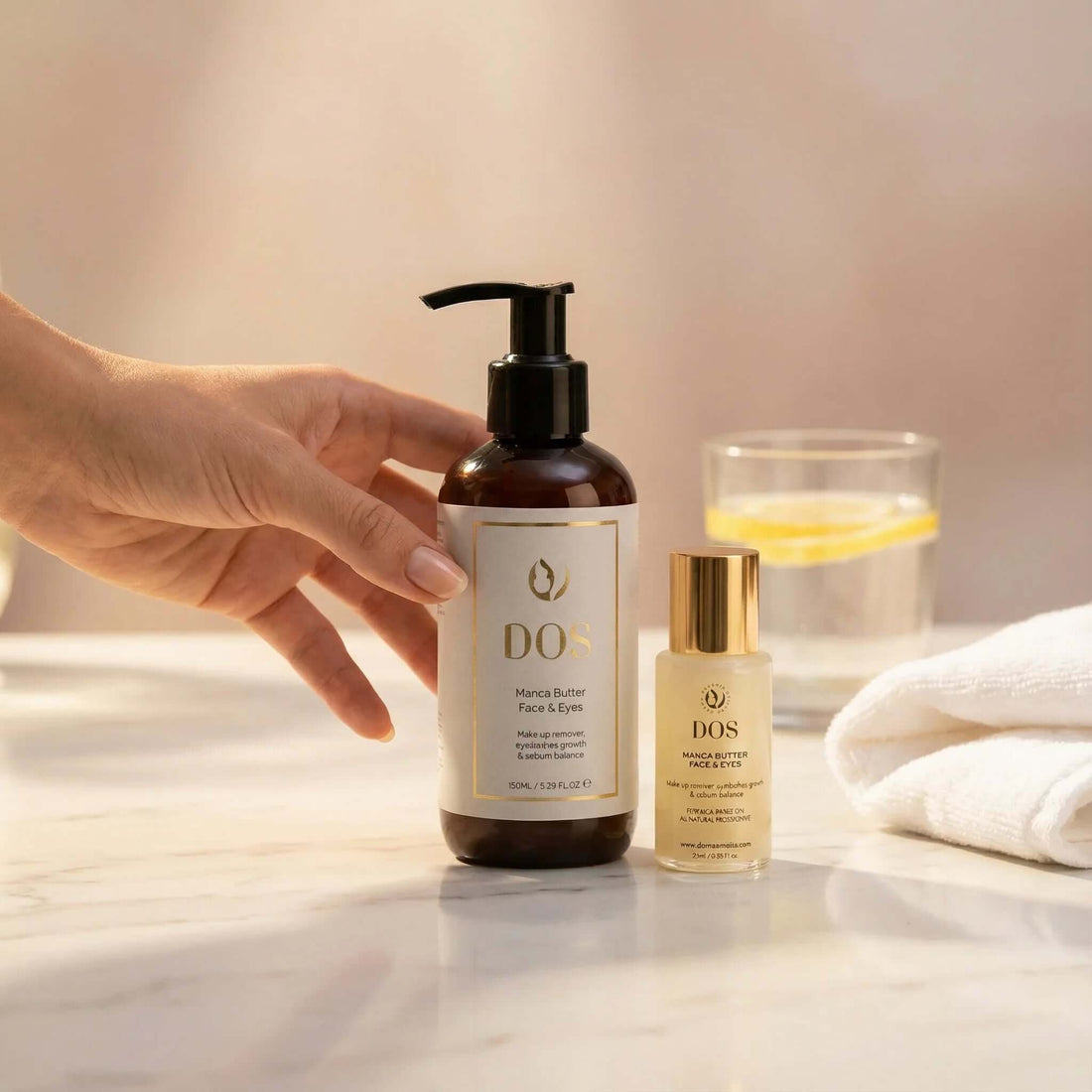
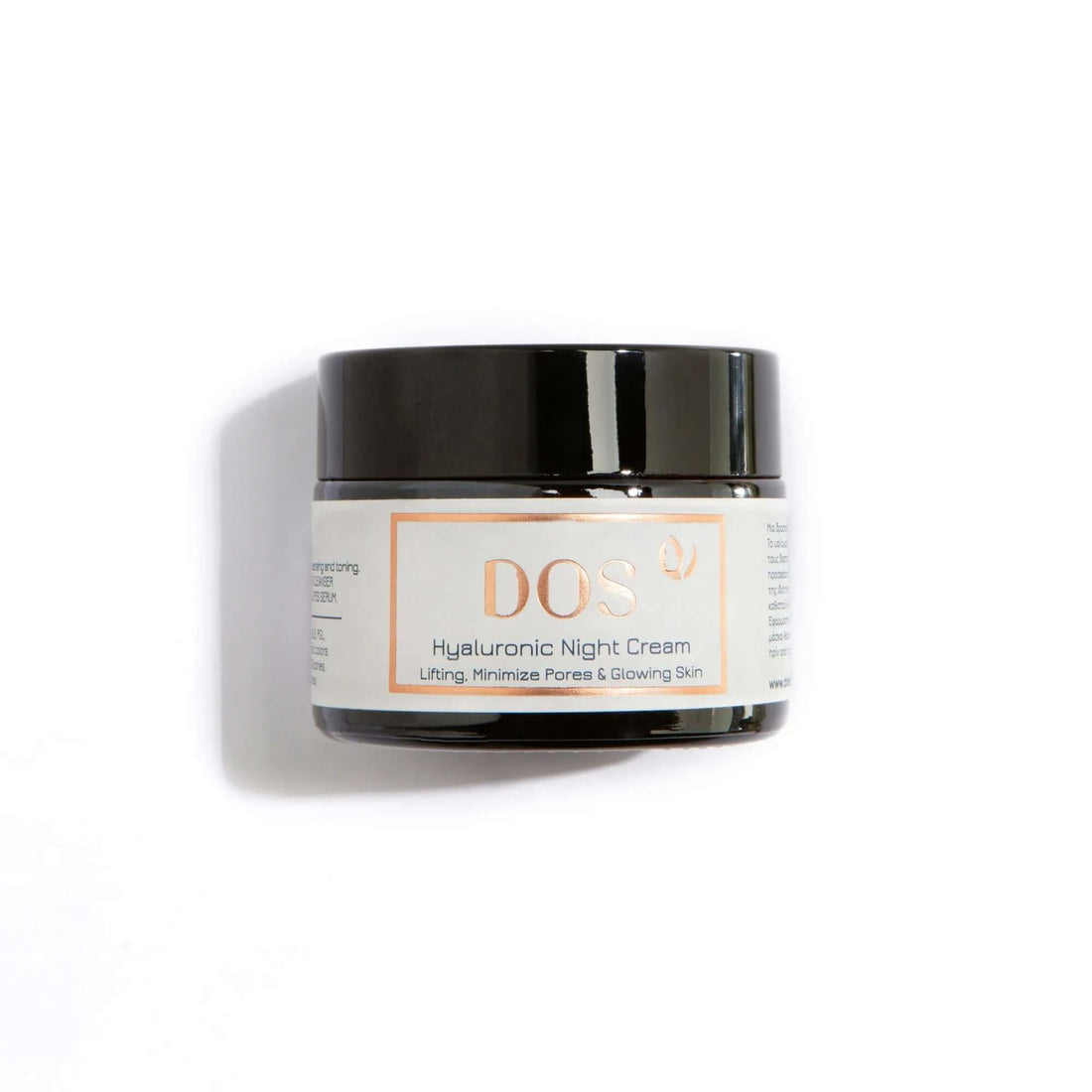
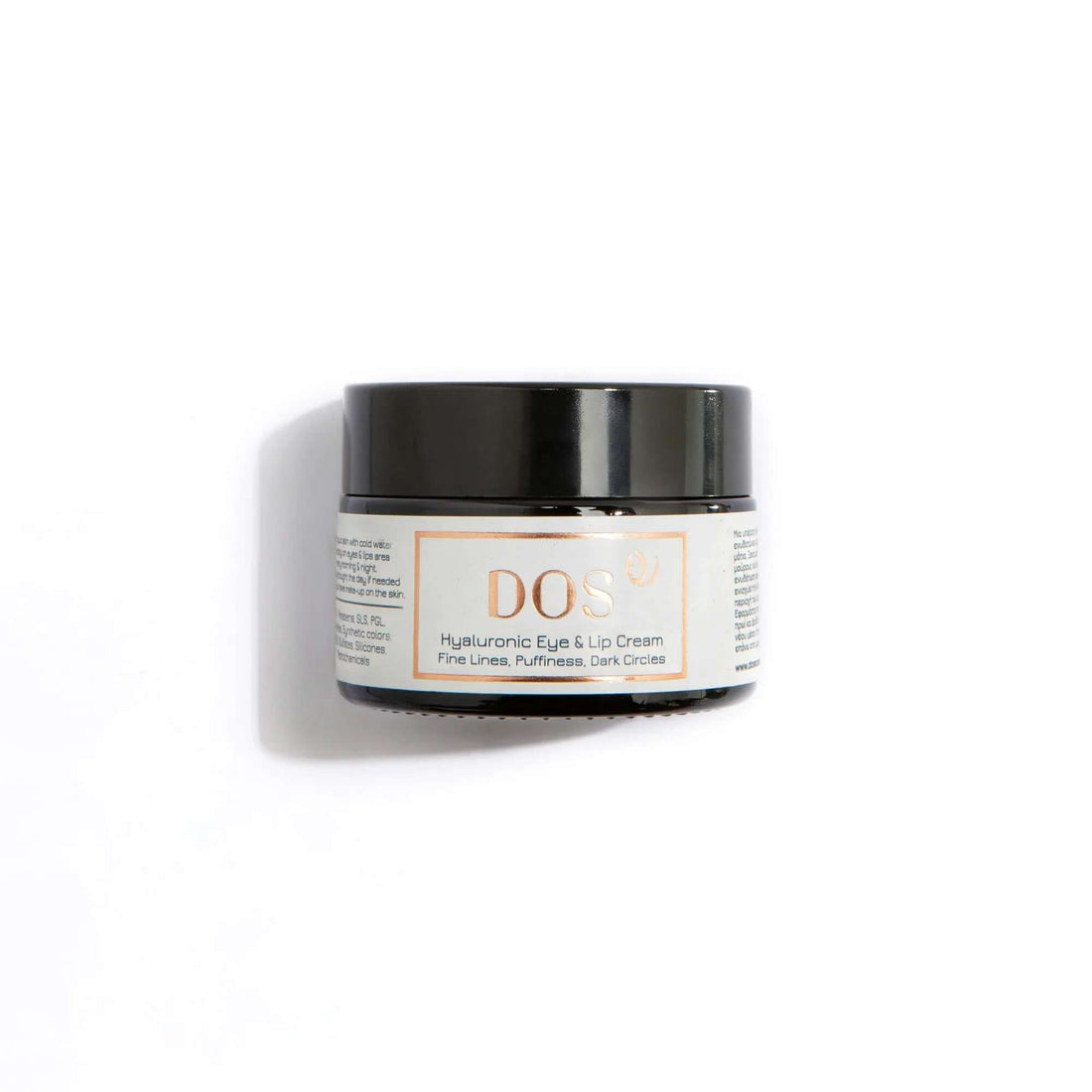
Evening: Remove the day with Manca Butter Makeup Remover · Cleanse · Restore with Hyaluronic Night Cream, and Hyaluronic Eye Cream if you'd like it

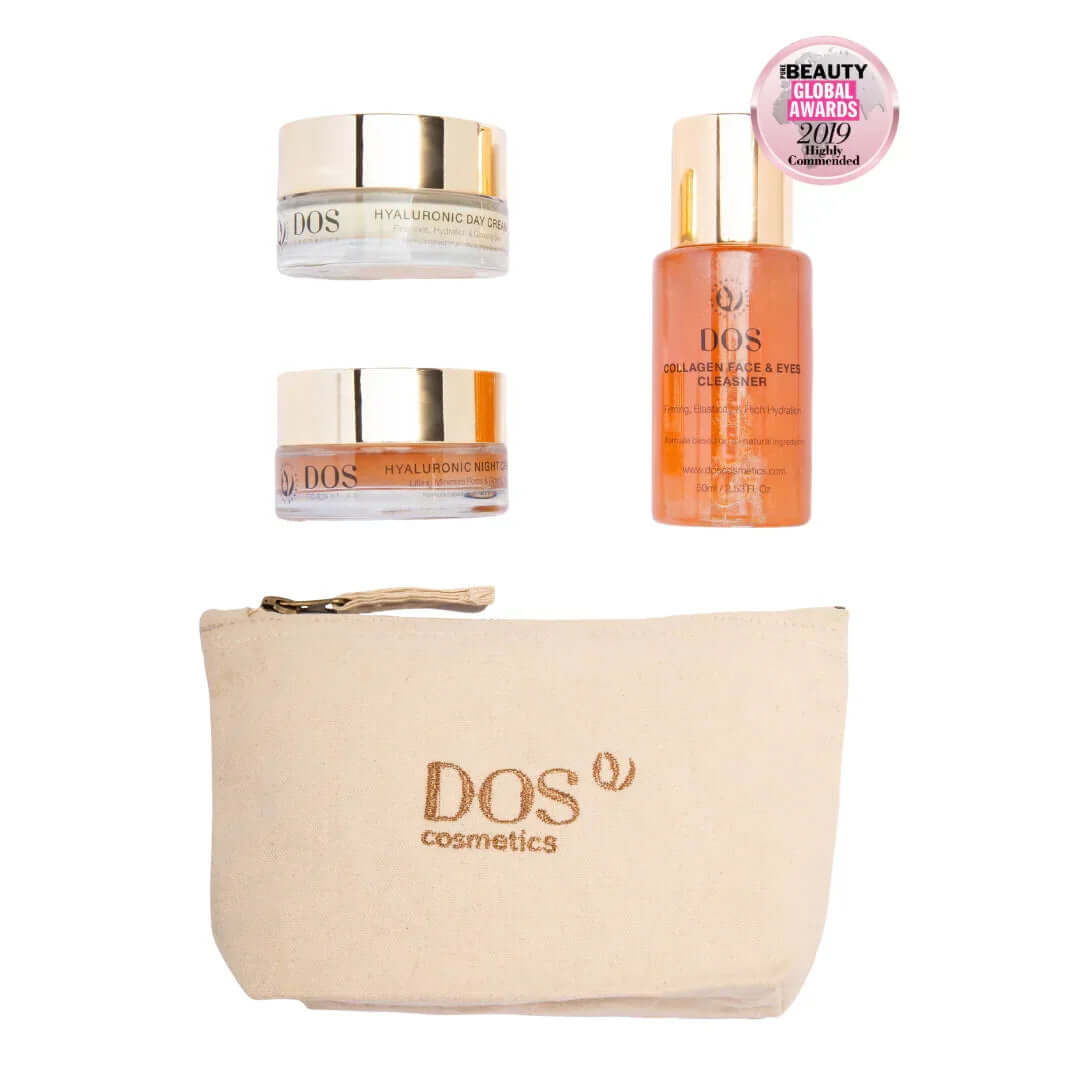
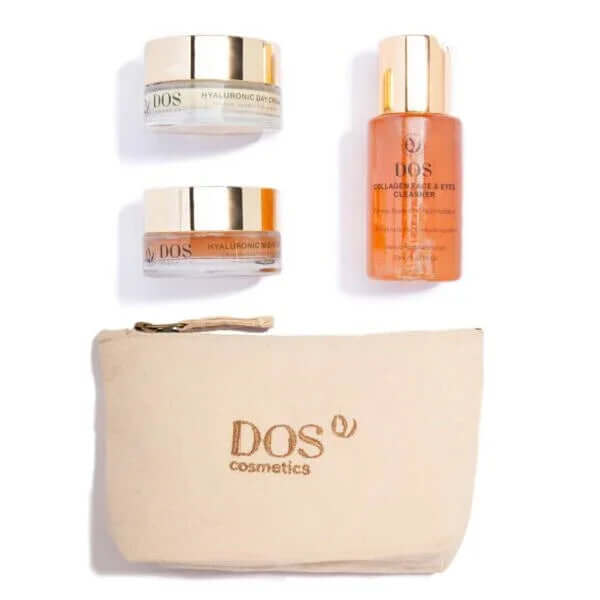
If you'd rather not choose alone, the Hyaluronic Beauty Kit brings the core steps together — or book a free virtual consultation and tell us you're pregnant. We'll build the routine around where you are.

We don't sell. We help you find the shortest route to skin that feels like yours again.

Is sunscreen safe to use during pregnancy?

Sun protection is one of the few steps most doctors actively encourage during pregnancy, because pregnant skin pigments more readily than it did before.

The question worth asking isn't whether to wear SPF — it's what else is in the bottle. Ours contains zero alcohol, no retinoids, and no parabens, sulfates or PEGs. The filter system and the complete ingredient list are published on the product page, so you or your doctor can read them in full before you buy.

Wear it daily, indoors and out, in every season. Winter light still reaches pigment.

Can I keep using these products while breastfeeding?

Yes — these are the same formulas, and the fourth trimester asks much the same of your skin: hydration, protection, and as little disruption as possible.

One practical note: if you're applying anything near the chest, wash your hands afterwards and keep products away from the nipple area.

And when you're ready to go further — many women find the pigment lingers after birth — take the Skin Test. It reads your skin type, tendency, season, age and sensitivity, and builds a three-step protocol from there. No guessing. Diagnose first, then recommend.