

Καροτσάκι
48 προϊόντα
-
Κρέμα Νύχτας με Κολλαγόνο

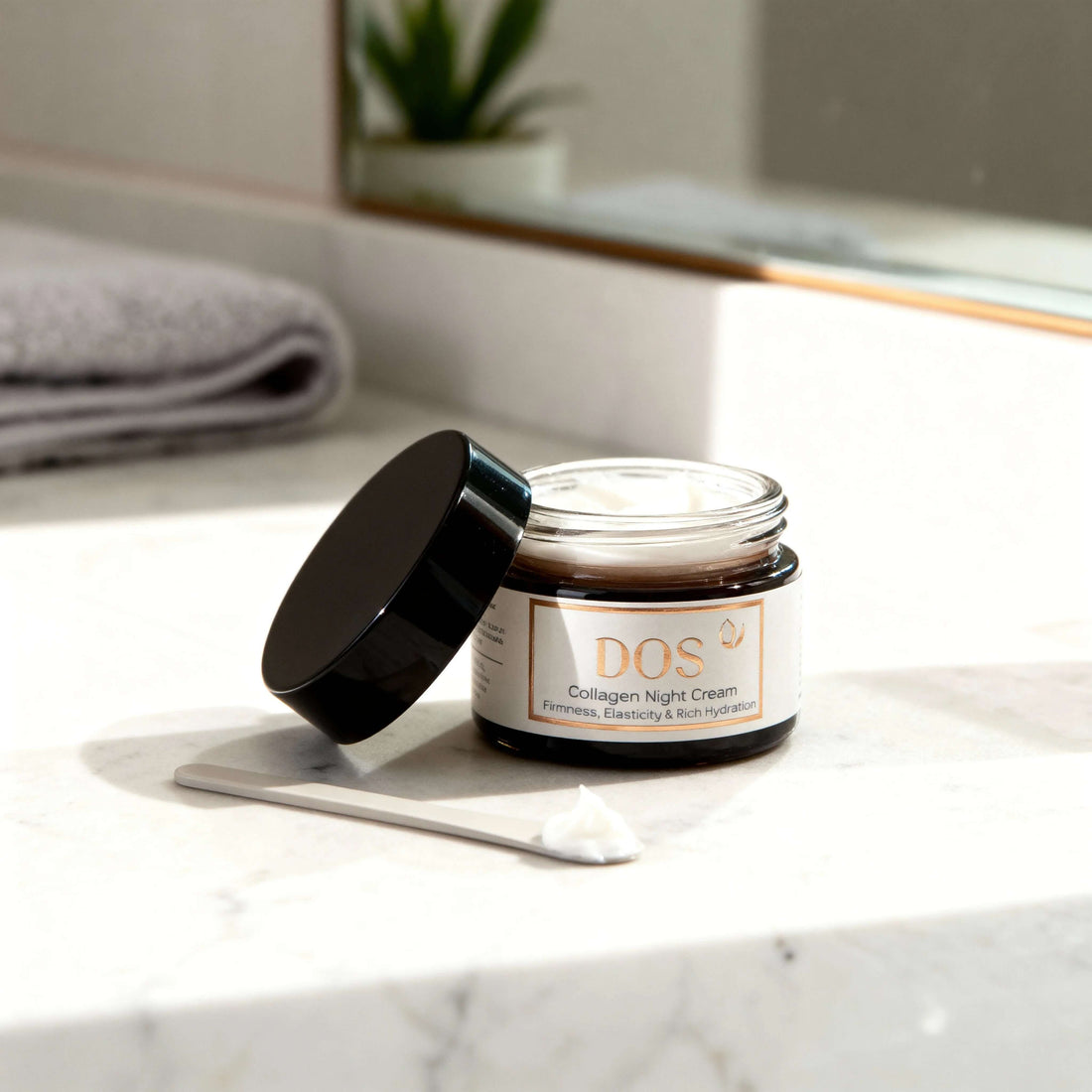 Κρέμα Νύχτας με Κολλαγόνο Βραβευμένη Ανανέωση για Σφριγηλή Επιδερμίδα
- Κανονική τιμή
-
49.00 EUR 119.00 EUR - Κανονική τιμή
-
- Τιμή πώλησης
-
49.00 EUR 119.00 EUR
-
Νυχτερινό Διάλυμα Mandelicum
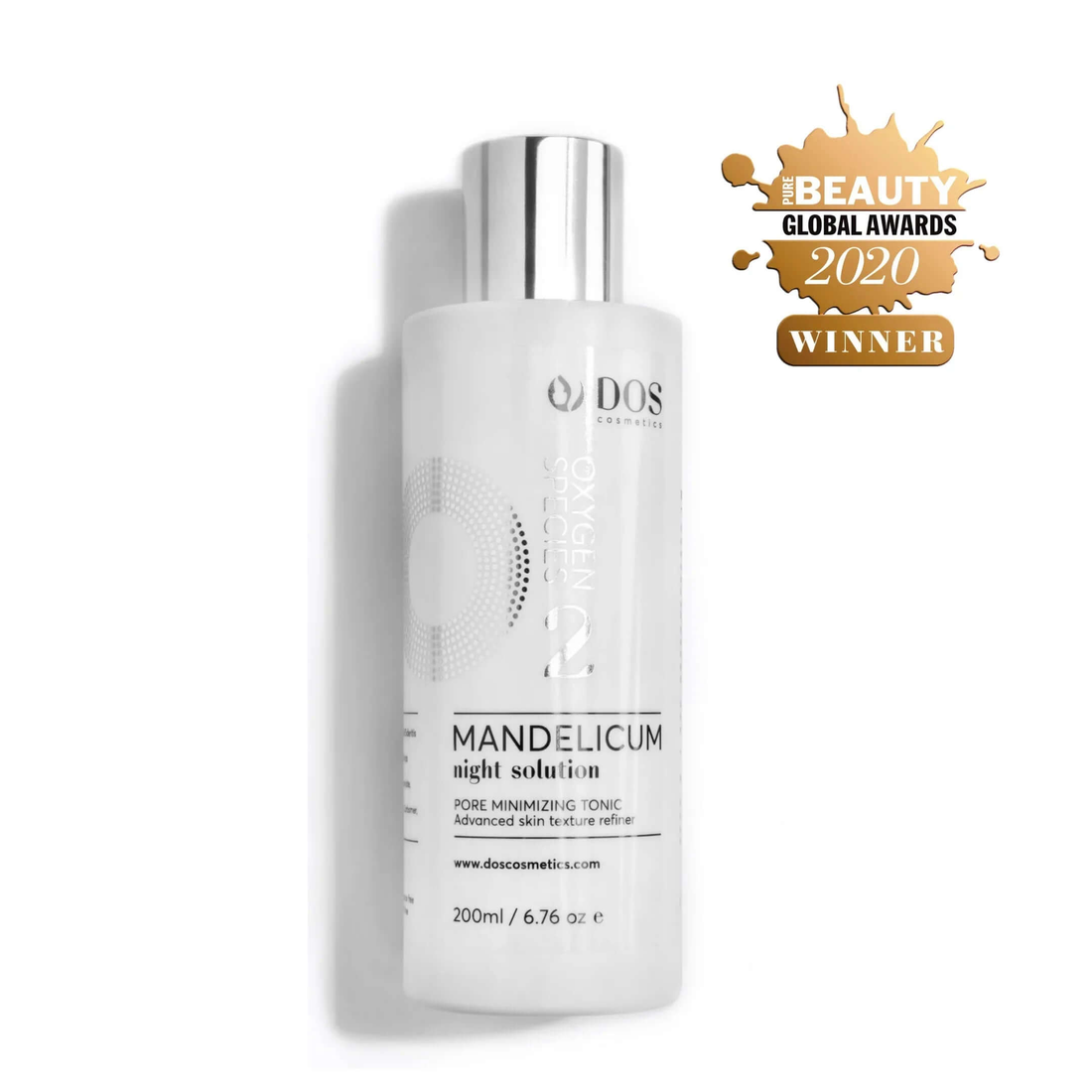
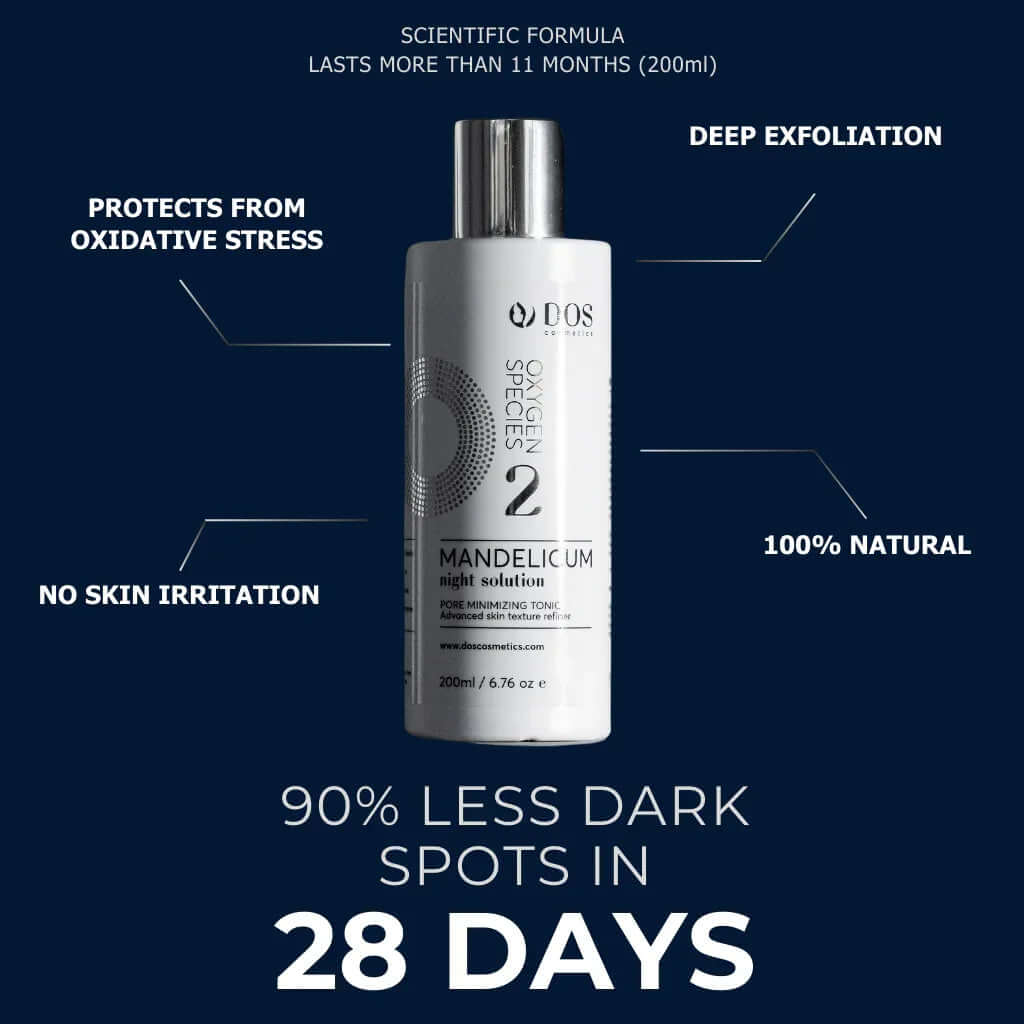 Νυχτερινό Διάλυμα Mandelicum Βραβευμένη Νυχτερινή Φροντίδα με Μανδελικό Οξύ
- Κανονική τιμή
-
39.00 EUR 112.00 EUR - Κανονική τιμή
-
- Τιμή πώλησης
-
39.00 EUR 112.00 EUR
-
Κρέμα Νύχτας με Υαλουρονικό
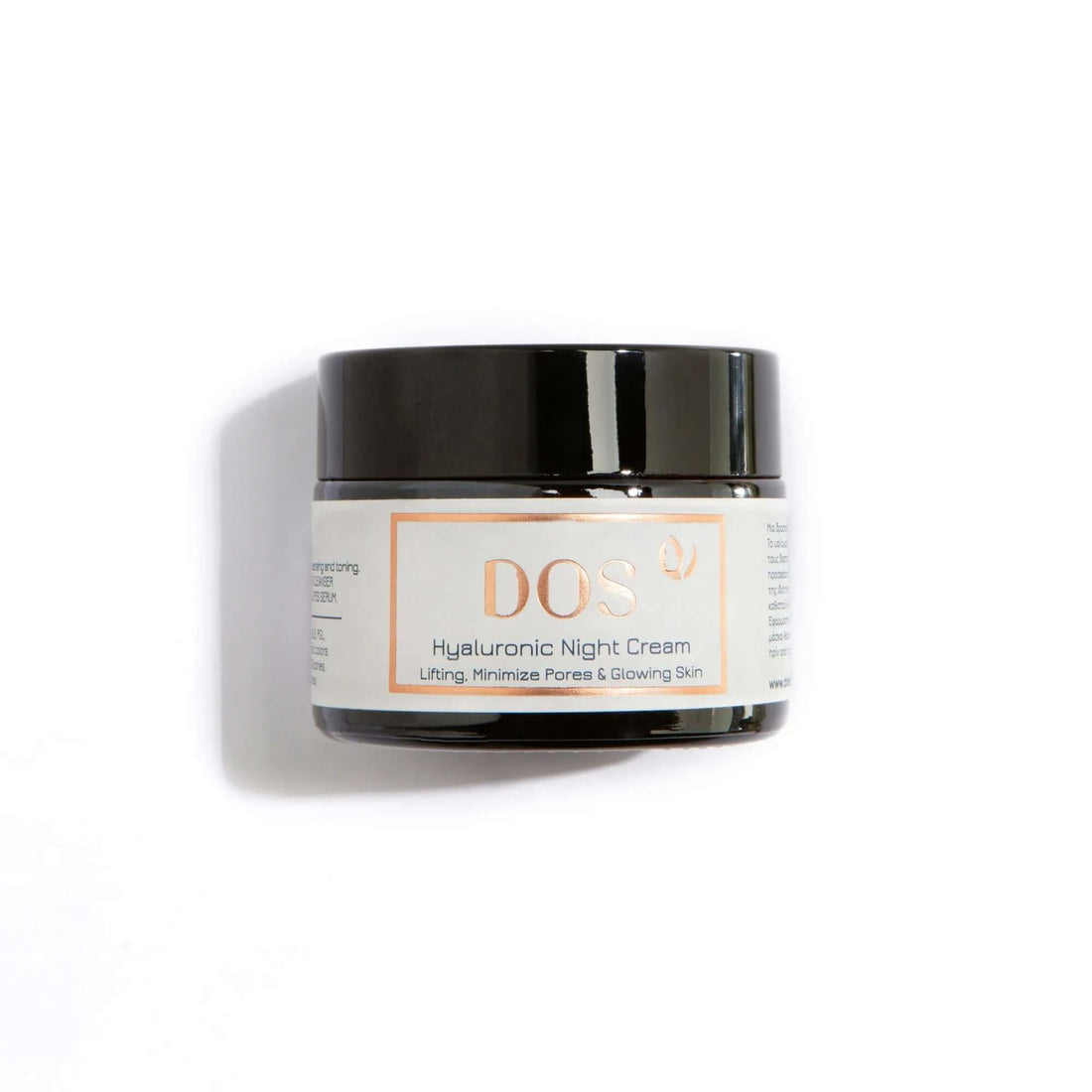
 Κρέμα Νύχτας με Υαλουρονικό Αντιοξειδωτική Ανόρθωση & Νυχτερινή Ανανέωση
- Κανονική τιμή
-
39.00 EUR 109.00 EUR - Κανονική τιμή
-
- Τιμή πώλησης
-
39.00 EUR 109.00 EUR
-
Λευκαντική Κρέμα Νύχτας
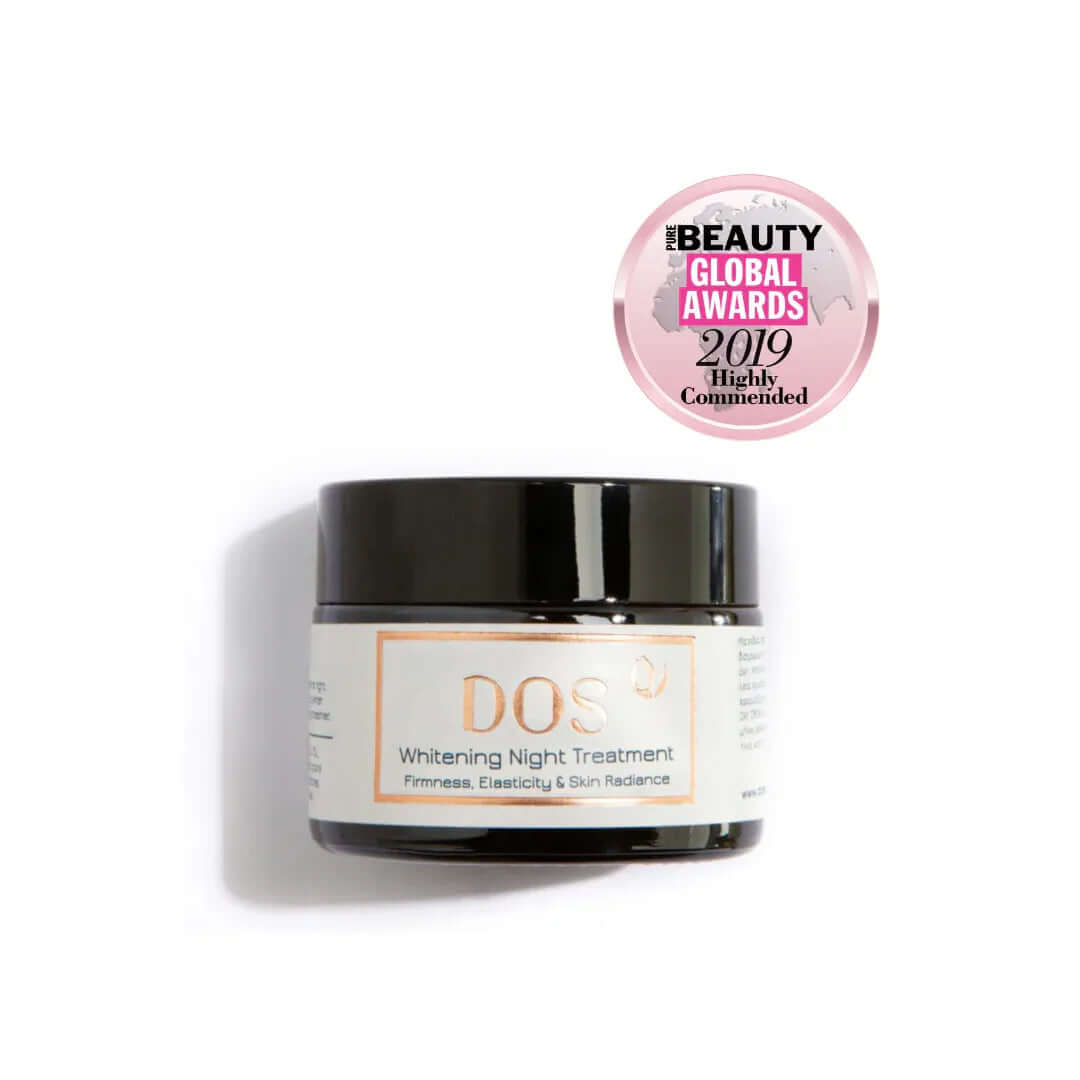
 Λευκαντική Κρέμα Νύχτας Βραβευμένη Λάμψη & Διόρθωση Κηλίδων
- Κανονική τιμή
-
129.00 EUR - Κανονική τιμή
-
- Τιμή πώλησης
-
129.00 EUR
-
Κρέμα Νύχτας με Ρετινόλη
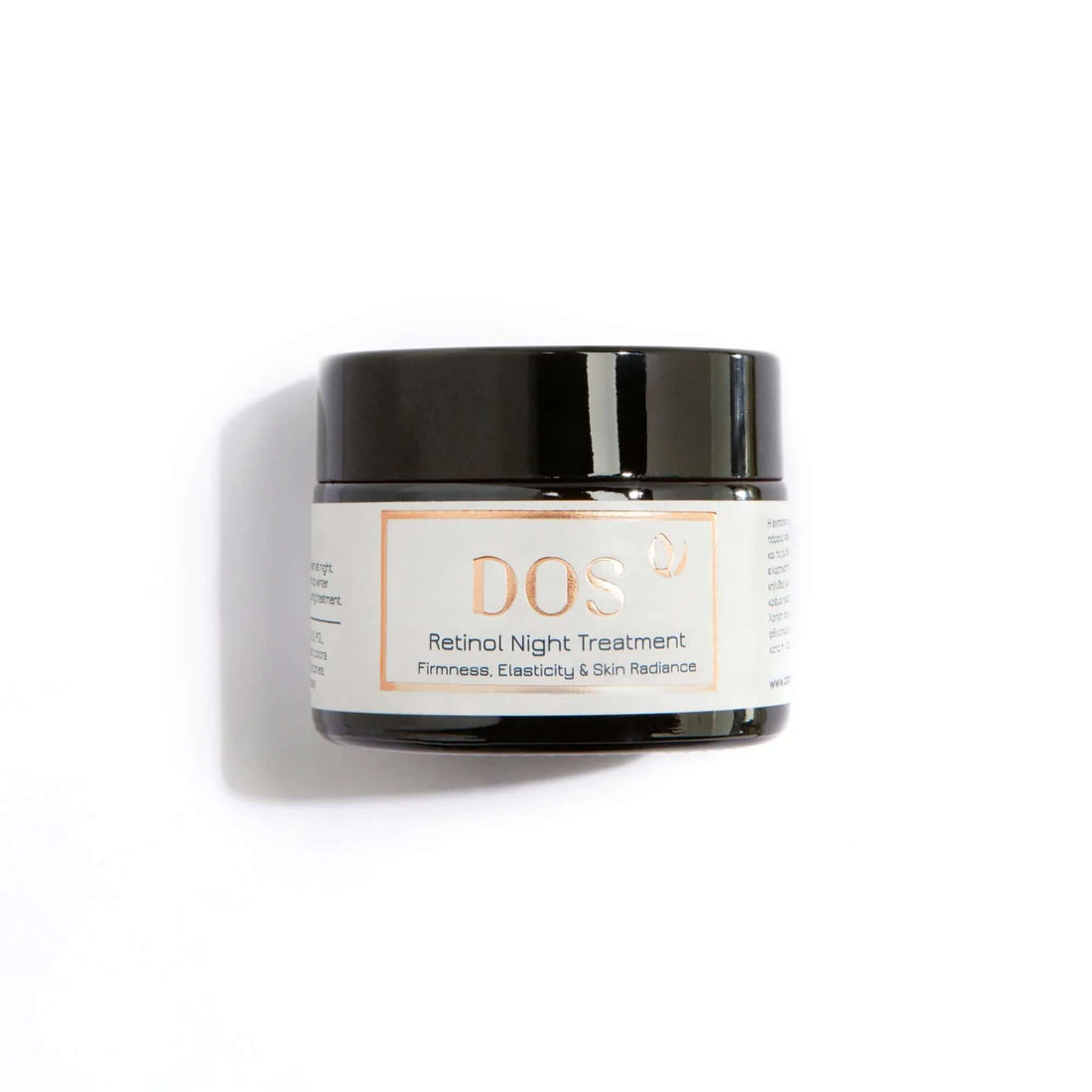
 Κρέμα Νύχτας με Ρετινόλη Ανανέωση & Υποστήριξη Κολλαγόνου
- Κανονική τιμή
-
149.00 EUR - Κανονική τιμή
-
- Τιμή πώλησης
-
149.00 EUR
-
Κρέμα Νύχτας AHA-Hyal
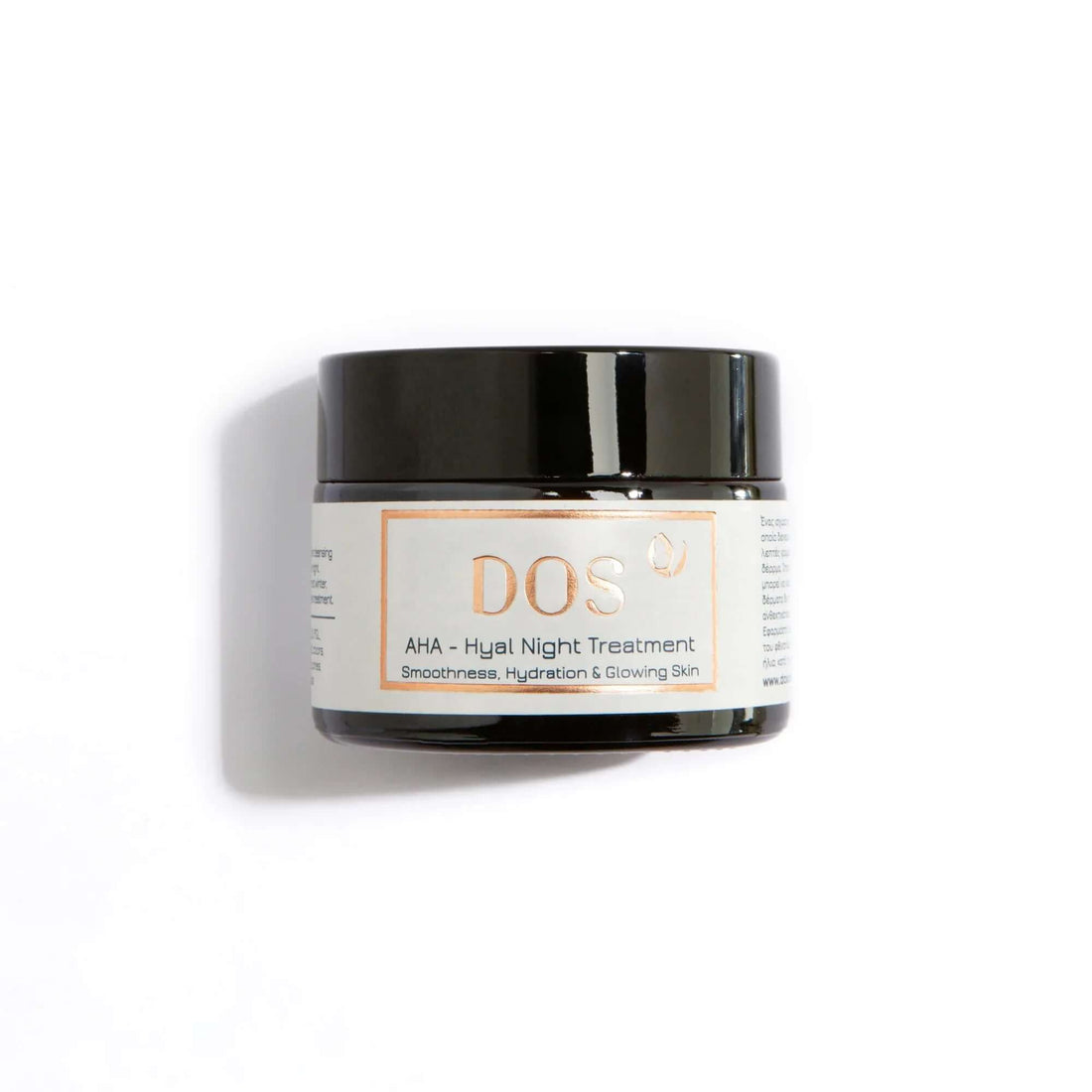
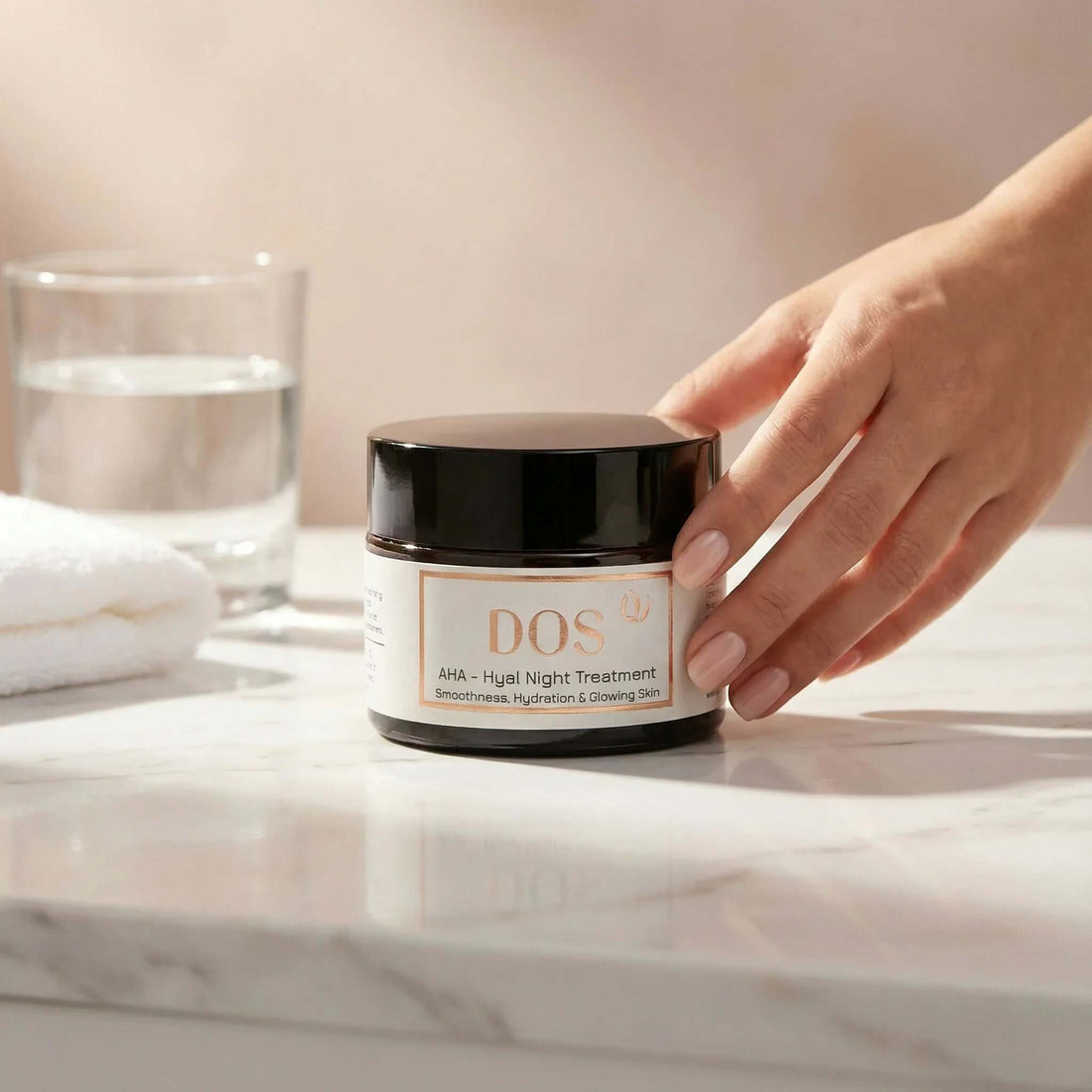 Κρέμα Νύχτας AHA-Hyal Αναγεννητική Νυχτερινή Ανανέωση
- Κανονική τιμή
-
129.00 EUR - Κανονική τιμή
-
- Τιμή πώλησης
-
129.00 EUR
-
Έλαιο Αργκάν
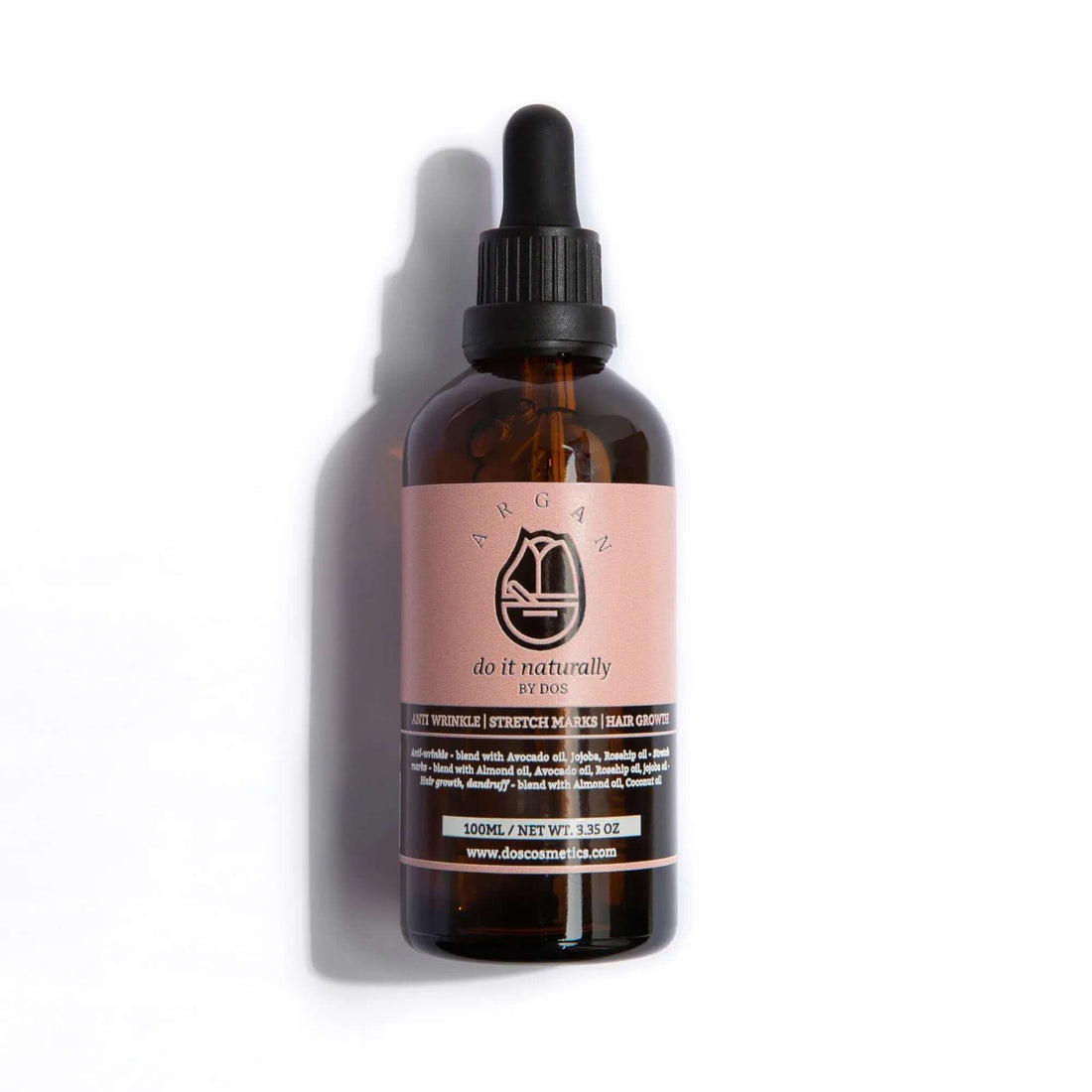
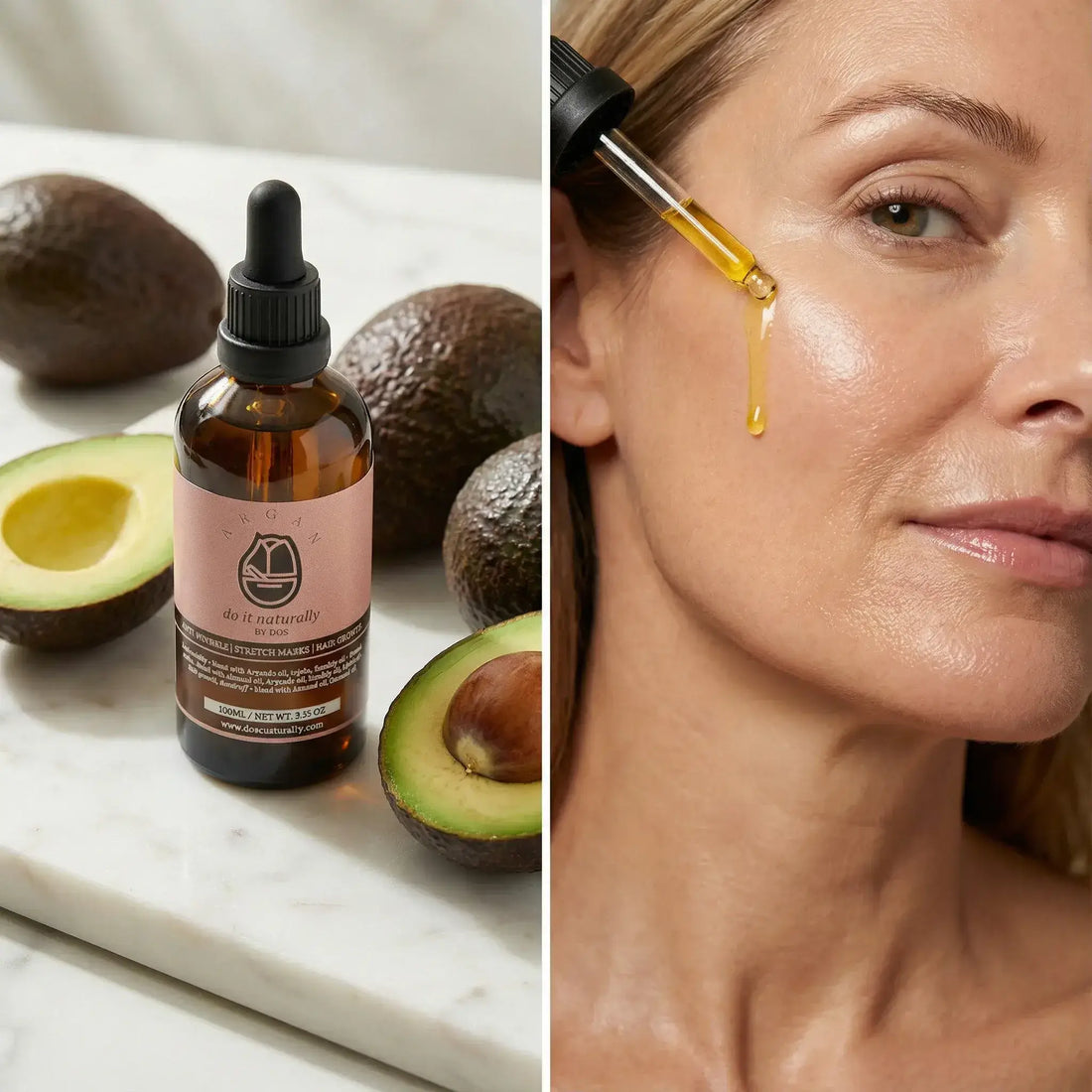 Έλαιο Αργκάν Αντιοξειδωτικό Έλαιο για Νεανική Επιδερμίδα
- Κανονική τιμή
-
39.00 EUR - Κανονική τιμή
-
- Τιμή πώλησης
-
39.00 EUR
-
Κρέμα Νύχτας για Ακμή
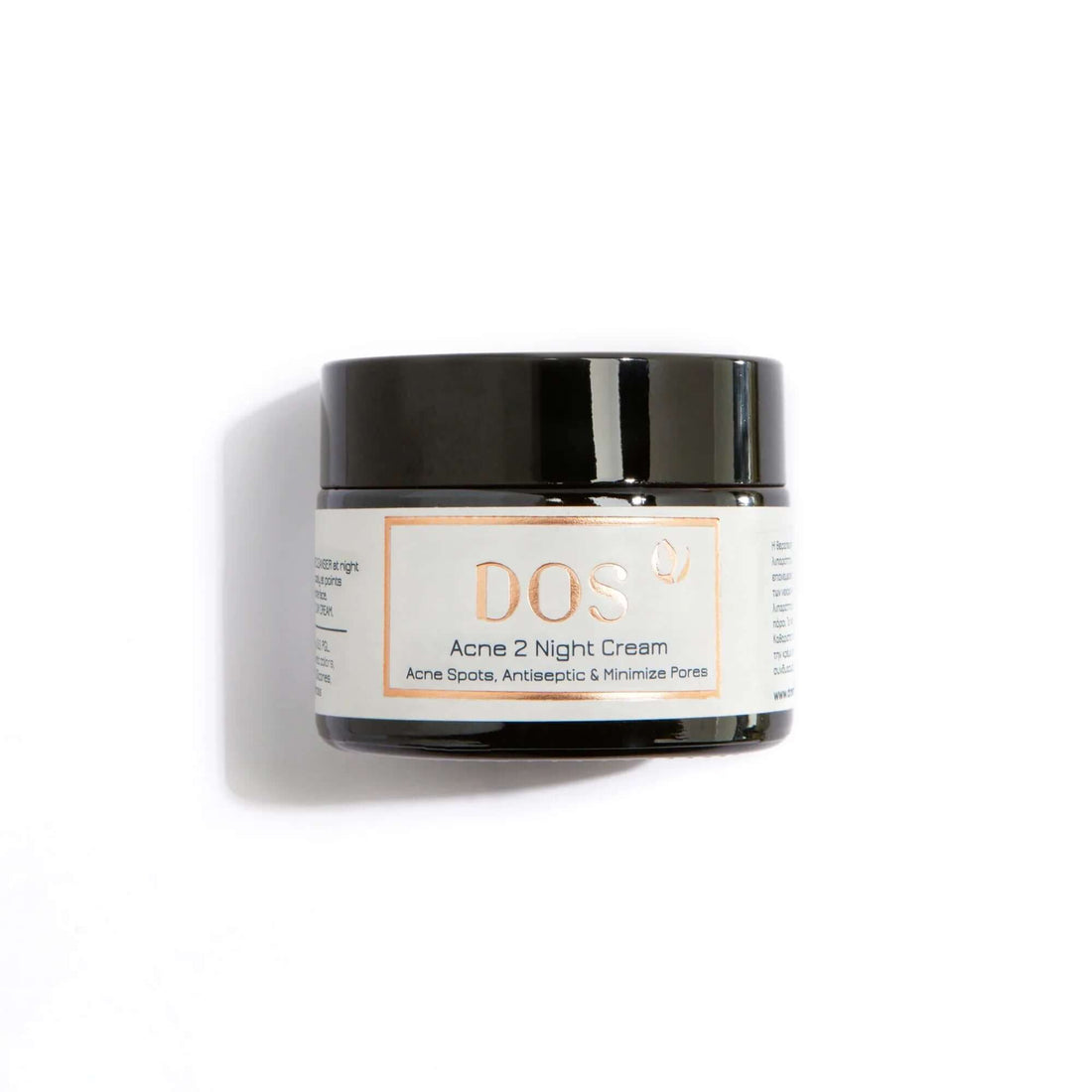
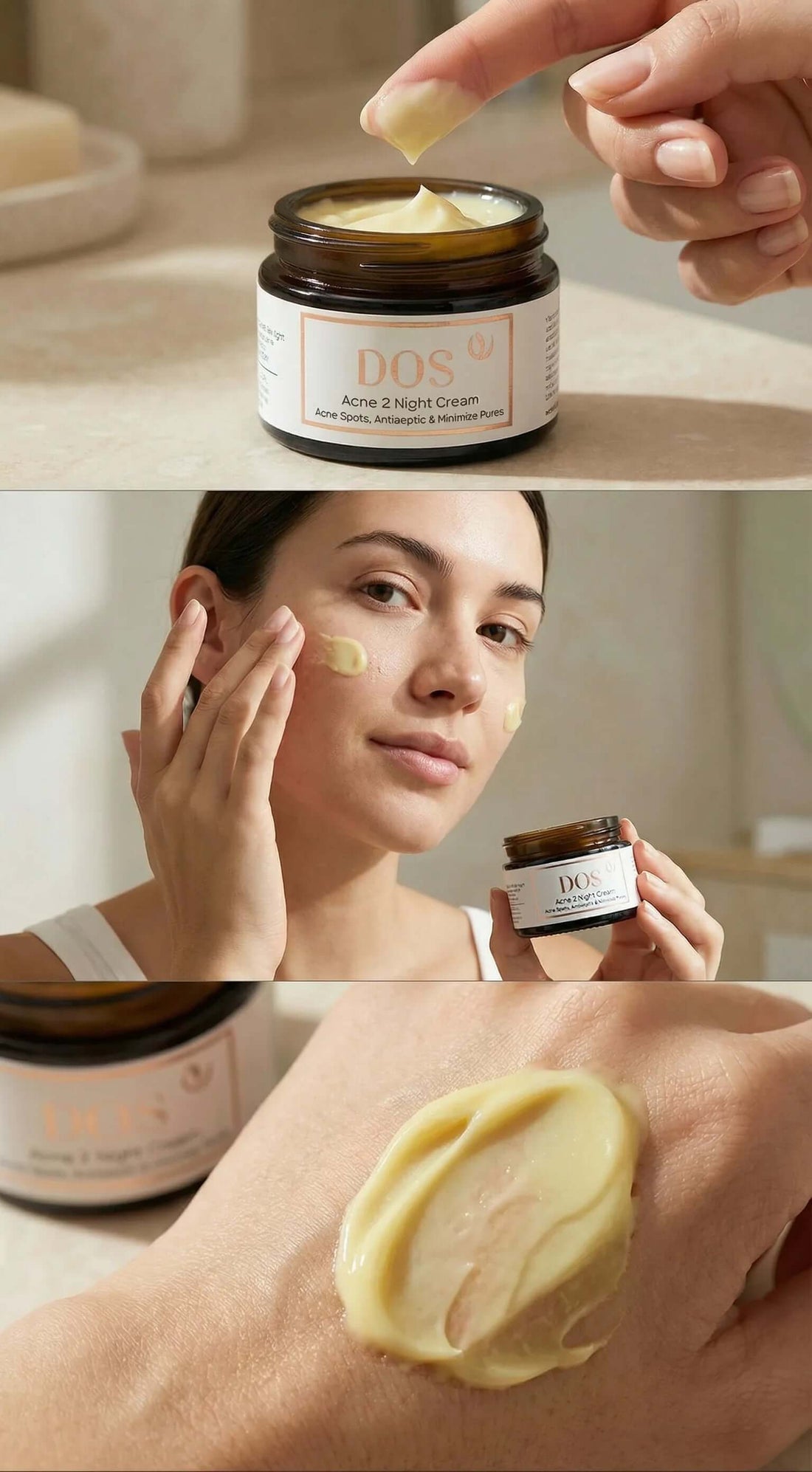 Κρέμα Νύχτας για Ακμή Καταπραϊντική Νυχτερινή Φροντίδα για Επιδερμίδα με Τάση Ακμής
- Κανονική τιμή
-
119.00 EUR - Κανονική τιμή
-
- Τιμή πώλησης
-
119.00 EUR
-
Σετ Ομορφιάς Επανόρθωσης
 Σετ Ομορφιάς Επανόρθωσης Ανανέωση Επιδερμίδας
- Κανονική τιμή
-
99.00 EUR - Κανονική τιμή
-
- Τιμή πώλησης
-
99.00 EUR
-
Σταφυλέλαιο
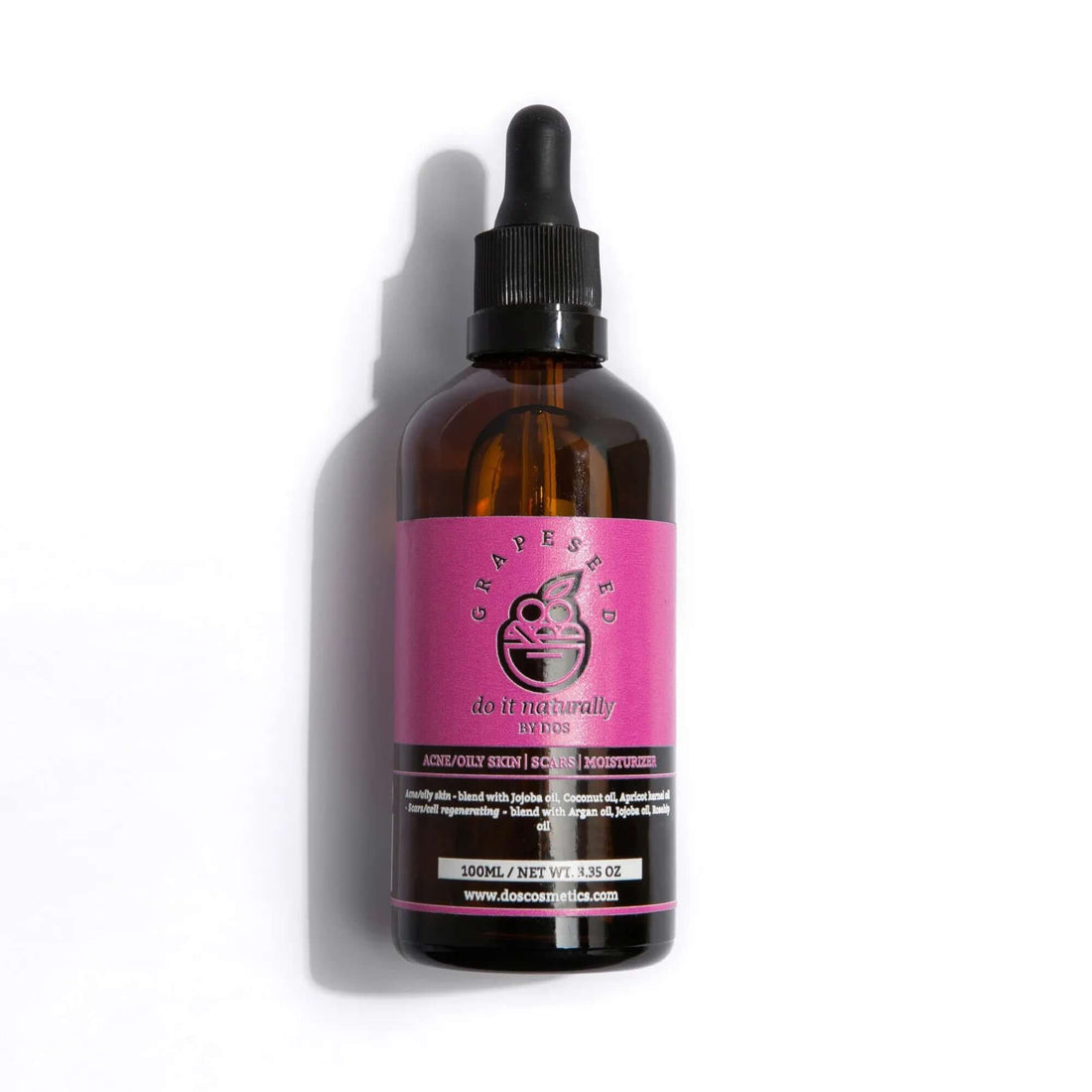
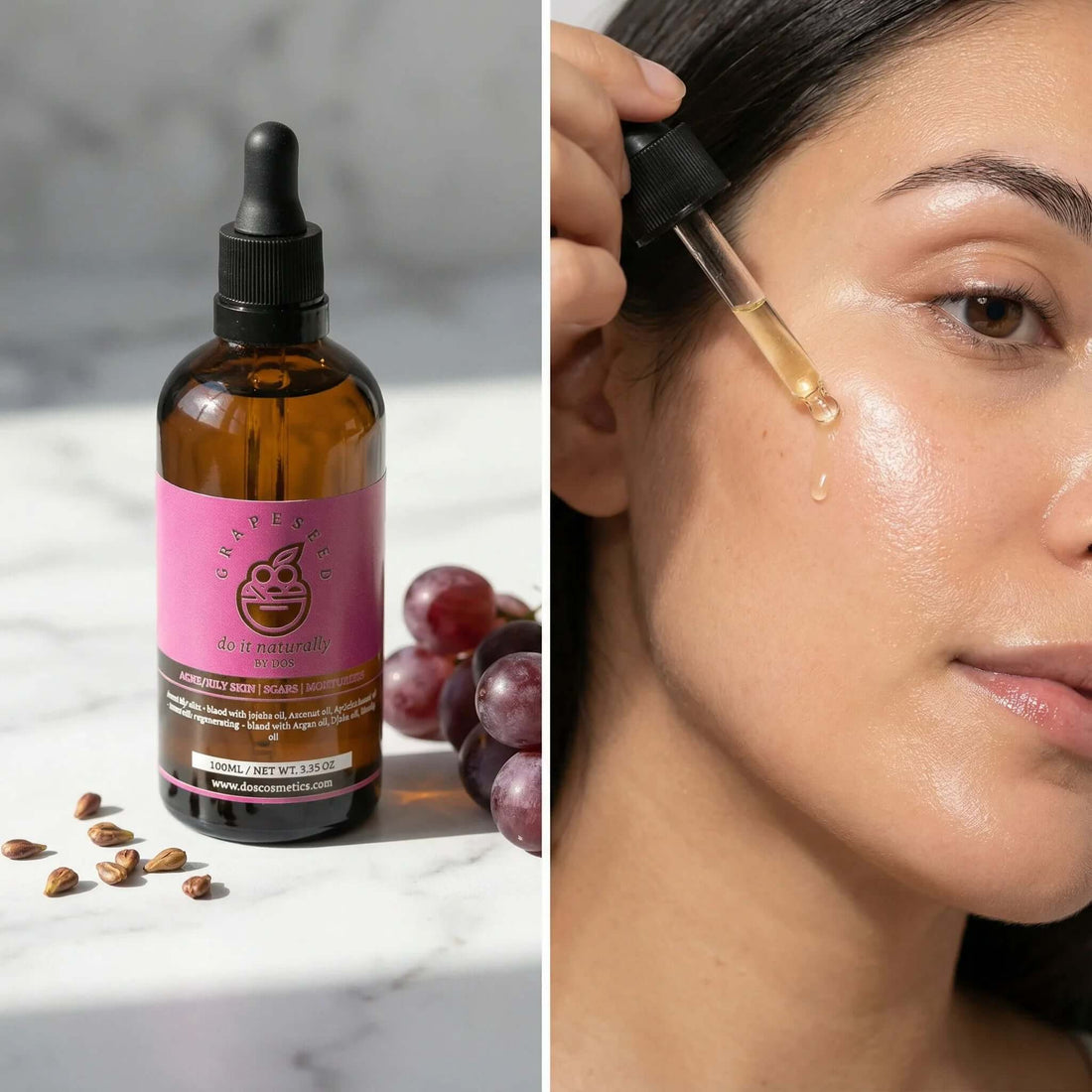 Σταφυλέλαιο Ενυδατικό Έλαιο για Όλους τους Τύπους Επιδερμίδας
- Κανονική τιμή
-
19.00 EUR - Κανονική τιμή
-
- Τιμή πώλησης
-
19.00 EUR
-
Πρωτόκολλο για Λιπαρή Επιδερμίδα · Δυσχρωμίες — Φθινόπωρο-Χειμώνας
 Πρωτόκολλο για Λιπαρή Επιδερμίδα · Δυσχρωμίες — Φθινόπωρο-Χειμώνας Ρουτίνα 3 Βημάτων για Λιπαρή Επιδερμίδα & Δυσχρωμίες — Φθινόπωρο-Χειμώνας
- Κανονική τιμή
-
149.60 EUR - Κανονική τιμή
-
187.00 EUR - Τιμή πώλησης
-
149.60 EUR
-
Πρωτόκολλο για Λιπαρή Επιδερμίδα · Δυσχρωμίες — Φθινόπωρο-Χειμώνας
 Πρωτόκολλο για Λιπαρή Επιδερμίδα · Δυσχρωμίες — Φθινόπωρο-Χειμώνας Ρουτίνα 3 Βημάτων για Λιπαρή Επιδερμίδα & Δυσχρωμίες — Φθινόπωρο-Χειμώνας
- Κανονική τιμή
-
149.60 EUR - Κανονική τιμή
-
187.00 EUR - Τιμή πώλησης
-
149.60 EUR
-
Πρωτόκολλο για Λιπαρή Επιδερμίδα · Δυσχρωμίες — Φθινόπωρο-Χειμώνας
 Πρωτόκολλο για Λιπαρή Επιδερμίδα · Δυσχρωμίες — Φθινόπωρο-Χειμώνας Ρουτίνα 3 Βημάτων για Λιπαρή Επιδερμίδα & Δυσχρωμίες — Φθινόπωρο-Χειμώνας
- Κανονική τιμή
-
181.60 EUR - Κανονική τιμή
-
227.00 EUR - Τιμή πώλησης
-
181.60 EUR
-
Πρωτόκολλο για Λιπαρή Επιδερμίδα · Αφυδάτωση — Φθινόπωρο-Χειμώνας
 Πρωτόκολλο για Λιπαρή Επιδερμίδα · Αφυδάτωση — Φθινόπωρο-Χειμώνας Ρουτίνα 3 Βημάτων για Λιπαρή Επιδερμίδα & Αφυδάτωση — Φθινόπωρο-Χειμώνας
- Κανονική τιμή
-
149.60 EUR - Κανονική τιμή
-
187.00 EUR - Τιμή πώλησης
-
149.60 EUR
-
Πρωτόκολλο για Λιπαρή Επιδερμίδα · Τάση για Αφυδάτωση — Φθινόπωρο-Χειμώνας
 Πρωτόκολλο για Λιπαρή Επιδερμίδα · Τάση για Αφυδάτωση — Φθινόπωρο-Χειμώνας Ρουτίνα 3 Βημάτων για Λιπαρή Επιδερμίδα & Αφυδάτωση — Φθινόπωρο-Χειμώνας
- Κανονική τιμή
-
149.60 EUR - Κανονική τιμή
-
187.00 EUR - Τιμή πώλησης
-
149.60 EUR
-
Πρωτόκολλο για Λιπαρή Επιδερμίδα · Αφυδάτωση — Φθινόπωρο-Χειμώνας
 Πρωτόκολλο για Λιπαρή Επιδερμίδα · Αφυδάτωση — Φθινόπωρο-Χειμώνας Ρουτίνα 3 Βημάτων για Λιπαρή Επιδερμίδα & Αφυδάτωση — Φθινόπωρο-Χειμώνας
- Κανονική τιμή
-
181.60 EUR - Κανονική τιμή
-
227.00 EUR - Τιμή πώλησης
-
181.60 EUR
-
Πρωτόκολλο για Λιπαρή Επιδερμίδα · Λιπαρότητα — Φθινόπωρο-Χειμώνας
 Πρωτόκολλο για Λιπαρή Επιδερμίδα · Λιπαρότητα — Φθινόπωρο-Χειμώνας Ρουτίνα 3 Βημάτων για Λιπαρή Επιδερμίδα & Λιπαρότητα — Φθινόπωρο-Χειμώνας
- Κανονική τιμή
-
165.60 EUR - Κανονική τιμή
-
207.00 EUR - Τιμή πώλησης
-
165.60 EUR
-
Πρωτόκολλο για Λιπαρή Επιδερμίδα · Λιπαρότητα — Φθινόπωρο-Χειμώνας
 Πρωτόκολλο για Λιπαρή Επιδερμίδα · Λιπαρότητα — Φθινόπωρο-Χειμώνας Ρουτίνα 3 Βημάτων για Λιπαρή Επιδερμίδα & Λιπαρότητα — Φθινόπωρο-Χειμώνας
- Κανονική τιμή
-
165.60 EUR - Κανονική τιμή
-
207.00 EUR - Τιμή πώλησης
-
165.60 EUR
-
Πρωτόκολλο για Λιπαρή Επιδερμίδα · Λιπαρότητα — Φθινόπωρο-Χειμώνας
 Πρωτόκολλο για Λιπαρή Επιδερμίδα · Λιπαρότητα — Φθινόπωρο-Χειμώνας Ρουτίνα 3 Βημάτων για Λιπαρή Επιδερμίδα & Λιπαρότητα — Φθινόπωρο-Χειμώνας
- Κανονική τιμή
-
173.60 EUR - Κανονική τιμή
-
217.00 EUR - Τιμή πώλησης
-
173.60 EUR
-
Πρωτόκολλο για Μικτή Επιδερμίδα · Δυσχρωμίες — Φθινόπωρο-Χειμώνας
 Πρωτόκολλο για Μικτή Επιδερμίδα · Δυσχρωμίες — Φθινόπωρο-Χειμώνας Ρουτίνα 3 Βημάτων για Μικτή Επιδερμίδα & Δυσχρωμίες — Φθινόπωρο-Χειμώνας
- Κανονική τιμή
-
149.60 EUR - Κανονική τιμή
-
187.00 EUR - Τιμή πώλησης
-
149.60 EUR
-
Πρωτόκολλο για Μικτή Επιδερμίδα · Δυσχρωμίες — Φθινόπωρο-Χειμώνας
 Πρωτόκολλο για Μικτή Επιδερμίδα · Δυσχρωμίες — Φθινόπωρο-Χειμώνας Ρουτίνα 3 Βημάτων για Μικτή Επιδερμίδα & Δυσχρωμίες — Φθινόπωρο-Χειμώνας
- Κανονική τιμή
-
149.60 EUR - Κανονική τιμή
-
187.00 EUR - Τιμή πώλησης
-
149.60 EUR
-
Πρωτόκολλο για Μικτή Επιδερμίδα · Δυσχρωμίες — Φθινόπωρο-Χειμώνας
 Πρωτόκολλο για Μικτή Επιδερμίδα · Δυσχρωμίες — Φθινόπωρο-Χειμώνας Ρουτίνα 3 Βημάτων για Μικτή Επιδερμίδα & Δυσχρωμίες — Φθινόπωρο-Χειμώνας
- Κανονική τιμή
-
109.60 EUR - Κανονική τιμή
-
137.00 EUR - Τιμή πώλησης
-
109.60 EUR
-
Πρωτόκολλο για Μικτή Επιδερμίδα · Αφυδάτωση — Φθινόπωρο-Χειμώνας
 Πρωτόκολλο για Μικτή Επιδερμίδα · Αφυδάτωση — Φθινόπωρο-Χειμώνας Ρουτίνα 3 Βημάτων για Μικτή Επιδερμίδα & Αφυδάτωση — Φθινόπωρο-Χειμώνας
- Κανονική τιμή
-
149.60 EUR - Κανονική τιμή
-
187.00 EUR - Τιμή πώλησης
-
149.60 EUR
-
Πρωτόκολλο για Μικτή Επιδερμίδα · Αφυδάτωση — Φθινόπωρο-Χειμώνας
 Πρωτόκολλο για Μικτή Επιδερμίδα · Αφυδάτωση — Φθινόπωρο-Χειμώνας Ρουτίνα 3 Βημάτων για Μικτή Επιδερμίδα & Αφυδάτωση — Φθινόπωρο-Χειμώνας
- Κανονική τιμή
-
149.60 EUR - Κανονική τιμή
-
187.00 EUR - Τιμή πώλησης
-
149.60 EUR
-
Πρωτόκολλο για Μικτή Επιδερμίδα · Αφυδάτωση — Φθινόπωρο-Χειμώνας
 Πρωτόκολλο για Μικτή Επιδερμίδα · Αφυδάτωση — Φθινόπωρο-Χειμώνας Ρουτίνα 3 Βημάτων για Μικτή Επιδερμίδα & Αφυδάτωση — Φθινόπωρο-Χειμώνας
- Κανονική τιμή
-
181.60 EUR - Κανονική τιμή
-
227.00 EUR - Τιμή πώλησης
-
181.60 EUR
-
Πρωτόκολλο για Μικτή Επιδερμίδα · Λιπαρότητα — Φθινόπωρο-Χειμώνας
 Πρωτόκολλο για Μικτή Επιδερμίδα · Λιπαρότητα — Φθινόπωρο-Χειμώνας Ρουτίνα 3 Βημάτων για Μικτή Επιδερμίδα & Λιπαρότητα — Φθινόπωρο-Χειμώνας
- Κανονική τιμή
-
165.60 EUR - Κανονική τιμή
-
207.00 EUR - Τιμή πώλησης
-
165.60 EUR
-
Πρωτόκολλο για Μικτή Επιδερμίδα · Λιπαρότητα — Φθινόπωρο-Χειμώνας
 Πρωτόκολλο για Μικτή Επιδερμίδα · Λιπαρότητα — Φθινόπωρο-Χειμώνας Ρουτίνα 3 Βημάτων για Μικτή Επιδερμίδα & Λιπαρότητα — Φθινόπωρο-Χειμώνας
- Κανονική τιμή
-
165.60 EUR - Κανονική τιμή
-
207.00 EUR - Τιμή πώλησης
-
165.60 EUR
-
Πρωτόκολλο για Μικτή Επιδερμίδα · Λιπαρότητα — Φθινόπωρο-Χειμώνας
 Πρωτόκολλο για Μικτή Επιδερμίδα · Λιπαρότητα — Φθινόπωρο-Χειμώνας Ρουτίνα 3 Βημάτων για Μικτή Επιδερμίδα & Λιπαρότητα — Φθινόπωρο-Χειμώνας
- Κανονική τιμή
-
173.60 EUR - Κανονική τιμή
-
217.00 EUR - Τιμή πώλησης
-
173.60 EUR
-
Πρωτόκολλο για Κανονική Επιδερμίδα · Δυσχρωμίες — Φθινόπωρο-Χειμώνας
 Πρωτόκολλο για Κανονική Επιδερμίδα · Δυσχρωμίες — Φθινόπωρο-Χειμώνας Ρουτίνα 3 Βημάτων για Κανονική Επιδερμίδα & Δυσχρωμίες — Φθινόπωρο-Χειμώνας
- Κανονική τιμή
-
149.60 EUR - Κανονική τιμή
-
187.00 EUR - Τιμή πώλησης
-
149.60 EUR
-
Πρωτόκολλο για Κανονική Επιδερμίδα · Δυσχρωμίες — Φθινόπωρο-Χειμώνας
 Πρωτόκολλο για Κανονική Επιδερμίδα · Δυσχρωμίες — Φθινόπωρο-Χειμώνας Ρουτίνα 3 Βημάτων για Κανονική Επιδερμίδα & Δυσχρωμίες — Φθινόπωρο-Χειμώνας
- Κανονική τιμή
-
149.60 EUR - Κανονική τιμή
-
187.00 EUR - Τιμή πώλησης
-
149.60 EUR
-
Πρωτόκολλο για Κανονική Επιδερμίδα · Δυσχρωμίες — Φθινόπωρο-Χειμώνας
 Πρωτόκολλο για Κανονική Επιδερμίδα · Δυσχρωμίες — Φθινόπωρο-Χειμώνας Ρουτίνα 3 Βημάτων για Κανονική Επιδερμίδα & Δυσχρωμίες — Φθινόπωρο-Χειμώνας
- Κανονική τιμή
-
149.60 EUR - Κανονική τιμή
-
187.00 EUR - Τιμή πώλησης
-
149.60 EUR
-
Πρωτόκολλο για Κανονική Επιδερμίδα · Αφυδάτωση — Φθινόπωρο-Χειμώνας
 Πρωτόκολλο για Κανονική Επιδερμίδα · Αφυδάτωση — Φθινόπωρο-Χειμώνας Ρουτίνα 3 Βημάτων για Κανονική Επιδερμίδα & Αφυδάτωση — Φθινόπωρο-Χειμώνας
- Κανονική τιμή
-
149.60 EUR - Κανονική τιμή
-
187.00 EUR - Τιμή πώλησης
-
149.60 EUR
-
Πρωτόκολλο για Κανονική Επιδερμίδα · Αφυδάτωση — Φθινόπωρο-Χειμώνας
 Πρωτόκολλο για Κανονική Επιδερμίδα · Αφυδάτωση — Φθινόπωρο-Χειμώνας Ρουτίνα 3 Βημάτων για Κανονική Επιδερμίδα & Αφυδάτωση — Φθινόπωρο-Χειμώνας
- Κανονική τιμή
-
149.60 EUR - Κανονική τιμή
-
187.00 EUR - Τιμή πώλησης
-
149.60 EUR
-
Πρωτόκολλο για Κανονική Επιδερμίδα · Αφυδάτωση — Φθινόπωρο-Χειμώνας
 Πρωτόκολλο για Κανονική Επιδερμίδα · Αφυδάτωση — Φθινόπωρο-Χειμώνας Ρουτίνα 3 Βημάτων για Κανονική Επιδερμίδα & Αφυδάτωση — Φθινόπωρο-Χειμώνας
- Κανονική τιμή
-
77.60 EUR - Κανονική τιμή
-
97.00 EUR - Τιμή πώλησης
-
77.60 EUR
-
Πρωτόκολλο για Κανονική Επιδερμίδα · Λιπαρότητα — Φθινόπωρο-Χειμώνας
 Πρωτόκολλο για Κανονική Επιδερμίδα · Λιπαρότητα — Φθινόπωρο-Χειμώνας Ρουτίνα 3 Βημάτων για Κανονική Επιδερμίδα & Λιπαρότητα — Φθινόπωρο-Χειμώνας
- Κανονική τιμή
-
165.60 EUR - Κανονική τιμή
-
207.00 EUR - Τιμή πώλησης
-
165.60 EUR
-
Πρωτόκολλο για Κανονική Επιδερμίδα · Λιπαρότητα — Φθινόπωρο-Χειμώνας
 Πρωτόκολλο για Κανονική Επιδερμίδα · Λιπαρότητα — Φθινόπωρο-Χειμώνας Ρουτίνα 3 Βημάτων για Κανονική Επιδερμίδα & Λιπαρότητα — Φθινόπωρο-Χειμώνας
- Κανονική τιμή
-
165.60 EUR - Κανονική τιμή
-
207.00 EUR - Τιμή πώλησης
-
165.60 EUR
-
Πρωτόκολλο για Κανονική Επιδερμίδα · Λιπαρότητα — Φθινόπωρο-Χειμώνας
 Πρωτόκολλο για Κανονική Επιδερμίδα · Λιπαρότητα — Φθινόπωρο-Χειμώνας Ρουτίνα 3 Βημάτων για Κανονική Επιδερμίδα & Λιπαρότητα — Φθινόπωρο-Χειμώνας
- Κανονική τιμή
-
173.60 EUR - Κανονική τιμή
-
217.00 EUR - Τιμή πώλησης
-
173.60 EUR
-
Πρωτόκολλο για Ξηρή Επιδερμίδα · Λιπαρότητα — Φθινόπωρο-Χειμώνας
 Πρωτόκολλο για Ξηρή Επιδερμίδα · Λιπαρότητα — Φθινόπωρο-Χειμώνας Ρουτίνα 3 Βημάτων για Ξηρή Επιδερμίδα & Λιπαρότητα — Φθινόπωρο-Χειμώνας
- Κανονική τιμή
-
165.60 EUR - Κανονική τιμή
-
207.00 EUR - Τιμή πώλησης
-
165.60 EUR
-
Πρωτόκολλο για Ξηρή Επιδερμίδα · Λιπαρότητα — Φθινόπωρο-Χειμώνας
 Πρωτόκολλο για Ξηρή Επιδερμίδα · Λιπαρότητα — Φθινόπωρο-Χειμώνας Ρουτίνα 3 Βημάτων για Ξηρή Επιδερμίδα & Λιπαρότητα — Φθινόπωρο-Χειμώνας
- Κανονική τιμή
-
165.60 EUR - Κανονική τιμή
-
207.00 EUR - Τιμή πώλησης
-
165.60 EUR
-
Πρωτόκολλο για Ξηρή Επιδερμίδα · Λιπαρότητα — Φθινόπωρο-Χειμώνας
 Πρωτόκολλο για Ξηρή Επιδερμίδα · Λιπαρότητα — Φθινόπωρο-Χειμώνας Ρουτίνα 3 Βημάτων για Ξηρή Επιδερμίδα & Λιπαρότητα — Φθινόπωρο-Χειμώνας
- Κανονική τιμή
-
109.60 EUR - Κανονική τιμή
-
137.00 EUR - Τιμή πώλησης
-
109.60 EUR
-
Πρωτόκολλο για Ξηρή Επιδερμίδα · Δυσχρωμίες — Φθινόπωρο-Χειμώνας
 Πρωτόκολλο για Ξηρή Επιδερμίδα · Δυσχρωμίες — Φθινόπωρο-Χειμώνας Ρουτίνα 3 Βημάτων για Ξηρή Επιδερμίδα & Δυσχρωμίες — Φθινόπωρο-Χειμώνας
- Κανονική τιμή
-
149.60 EUR - Κανονική τιμή
-
187.00 EUR - Τιμή πώλησης
-
149.60 EUR
-
Πρωτόκολλο για Ξηρή Επιδερμίδα · Δυσχρωμίες — Φθινόπωρο-Χειμώνας
 Πρωτόκολλο για Ξηρή Επιδερμίδα · Δυσχρωμίες — Φθινόπωρο-Χειμώνας Ρουτίνα 3 Βημάτων για Ξηρή Επιδερμίδα & Δυσχρωμίες — Φθινόπωρο-Χειμώνας
- Κανονική τιμή
-
149.60 EUR - Κανονική τιμή
-
187.00 EUR - Τιμή πώλησης
-
149.60 EUR
-
Πρωτόκολλο για Ξηρή Επιδερμίδα · Δυσχρωμίες — Φθινόπωρο-Χειμώνας
 Πρωτόκολλο για Ξηρή Επιδερμίδα · Δυσχρωμίες — Φθινόπωρο-Χειμώνας Ρουτίνα 3 Βημάτων για Ξηρή Επιδερμίδα & Δυσχρωμίες — Φθινόπωρο-Χειμώνας
- Κανονική τιμή
-
69.60 EUR - Κανονική τιμή
-
87.00 EUR - Τιμή πώλησης
-
69.60 EUR
-
Πρωτόκολλο για Ξηρή Επιδερμίδα · Αφυδάτωση — Φθινόπωρο-Χειμώνας
 Πρωτόκολλο για Ξηρή Επιδερμίδα · Αφυδάτωση — Φθινόπωρο-Χειμώνας Ρουτίνα 3 Βημάτων για Ξηρή Επιδερμίδα & Αφυδάτωση — Φθινόπωρο-Χειμώνας
- Κανονική τιμή
-
149.60 EUR - Κανονική τιμή
-
187.00 EUR - Τιμή πώλησης
-
149.60 EUR
-
Πρωτόκολλο για Ξηρή Επιδερμίδα · Αφυδάτωση — Φθινόπωρο-Χειμώνας
 Πρωτόκολλο για Ξηρή Επιδερμίδα · Αφυδάτωση — Φθινόπωρο-Χειμώνας Ρουτίνα 3 Βημάτων για Ξηρή Επιδερμίδα & Αφυδάτωση — Φθινόπωρο-Χειμώνας
- Κανονική τιμή
-
149.60 EUR - Κανονική τιμή
-
187.00 EUR - Τιμή πώλησης
-
149.60 EUR
-
Πρωτόκολλο για Ξηρή Επιδερμίδα · Αφυδάτωση — Φθινόπωρο-Χειμώνας
 Πρωτόκολλο για Ξηρή Επιδερμίδα · Αφυδάτωση — Φθινόπωρο-Χειμώνας Ρουτίνα 3 Βημάτων για Ξηρή Επιδερμίδα & Αφυδάτωση — Φθινόπωρο-Χειμώνας
- Κανονική τιμή
-
149.60 EUR - Κανονική τιμή
-
187.00 EUR - Τιμή πώλησης
-
149.60 EUR
-
Πρωτόκολλο Νυχτερινής Ανανέωσης
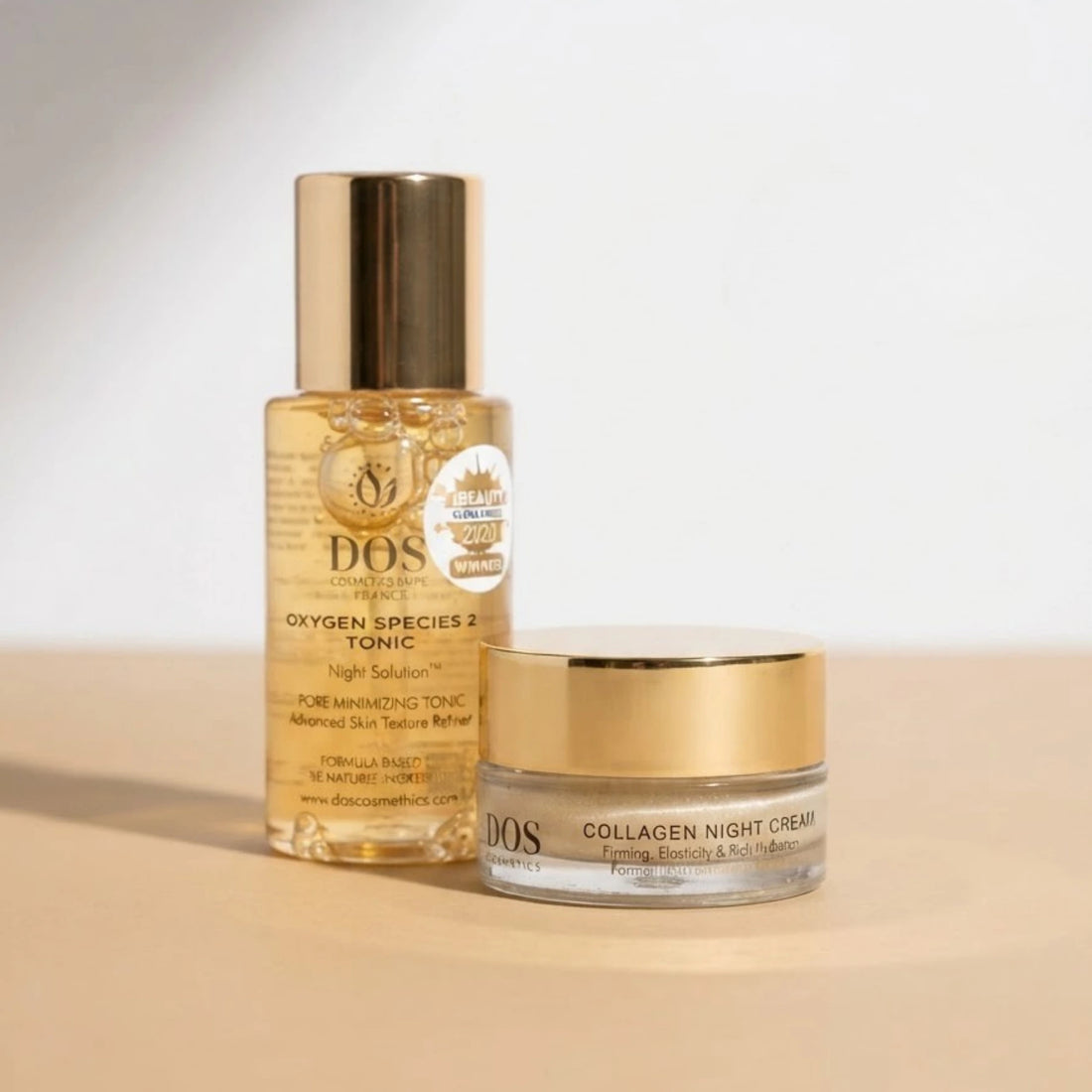
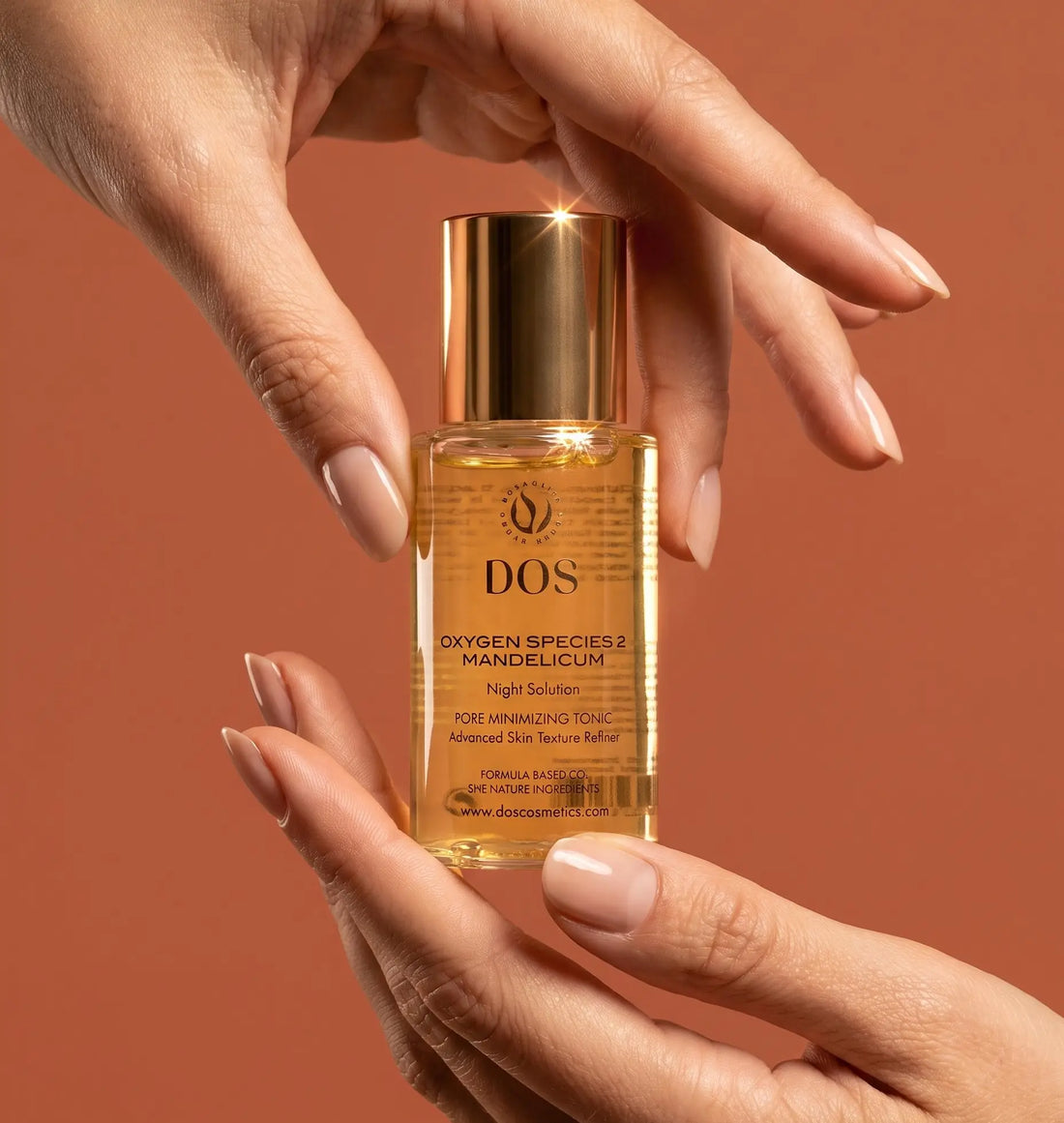 Πρωτόκολλο Νυχτερινής Ανανέωσης Δίδυμο Γνωριμίας Νυχτερινής Ανανέωσης
- Κανονική τιμή
-
70.40 EUR - Κανονική τιμή
-
88.00 EUR - Τιμή πώλησης
-
70.40 EUR
-
ΜΕΤΑ ΤΟΝ ΗΛΙΟ | Σετ Ημέρας & Νύχτας για Σκούρες Κηλίδες
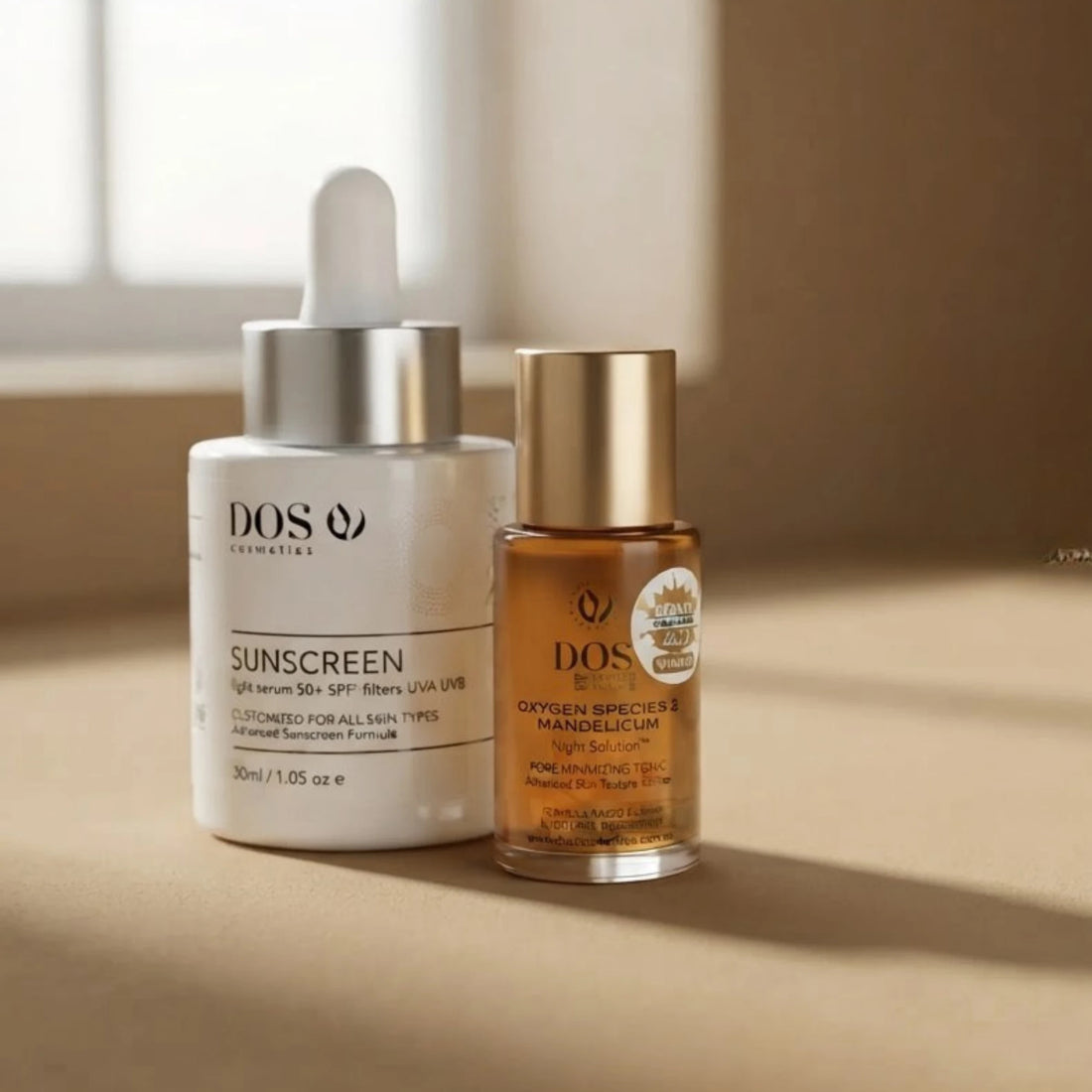 ΜΕΤΑ ΤΟΝ ΗΛΙΟ | Σετ Ημέρας & Νύχτας για Σκούρες Κηλίδες Δίδυμο Ημέρας & Νύχτας για Σκούρες Κηλίδες
- Κανονική τιμή
-
79.00 EUR - Κανονική τιμή
-
115.20 EUR - Τιμή πώλησης
-
79.00 EUR


Συχνές ερωτήσεις
Why does skin need a different routine in autumn and winter?
How do I know when it's time to switch to a winter routine?
What does a DOS autumn | winter routine look like?
Why are exfoliating acids and retinol recommended in autumn and winter?
Is winter skincare only for dry skin? My skin is oily, sensitive, or breakout-prone.
Can a winter routine help with the dark spots left from summer?
How quickly will I see a difference?

Μέθοδοι πληρωμής
